
A:A: Theoretically, the heating mold can be heated to 150-200°C, but currently it is generally used at 60-100°C.
A:A: Based on experience with prefabricated construction, theoretically they can be used 5-6 times, but there is currently no data available.
A:A: The inner cavity replacement depends on the customer's requirements; the inner frame replacement, based on our experience with other manufacturers, is 5-6 times, but this depends on usage habits.
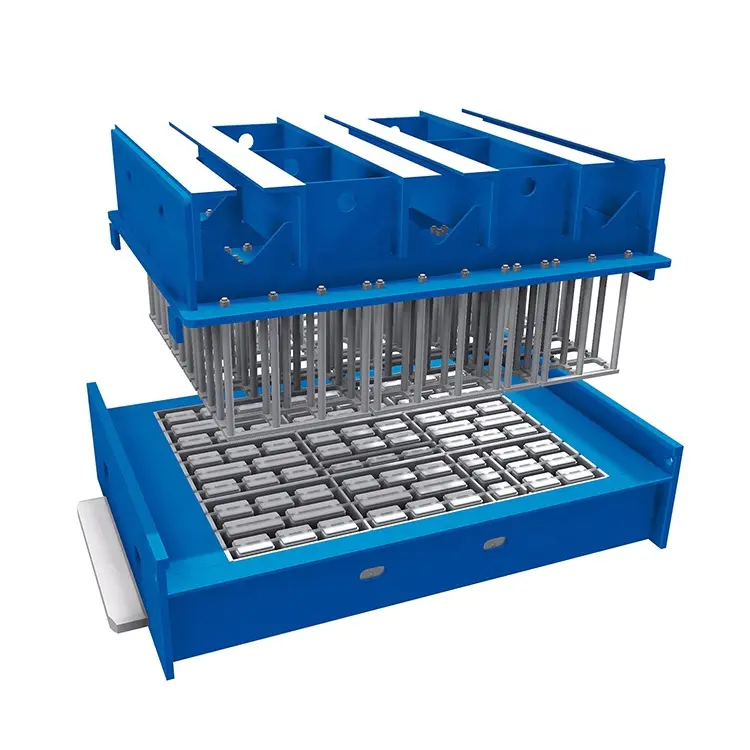
A:A: Currently, semi-prefabricated molds for hollow bricks have a higher cost-performance ratio. The mold core components are prefabricated, making them easier to replace later.
A:A. When purchasing mold heads and mold frames separately, customers must have the ability to assemble the mold on-site, including grinding the shape of the pressure plate, adjusting the position of the support, and sometimes enlarging the holes in the pressure plate. When confirming the brick sample, it is necessary to confirm that the dimensions, arrangement, quantity, partition dimensions, rib positions, and radius (R) dimensions of the final brick sample must be consistent with the original mold. Confirm the connection dimensions of the mold head and mold frame.