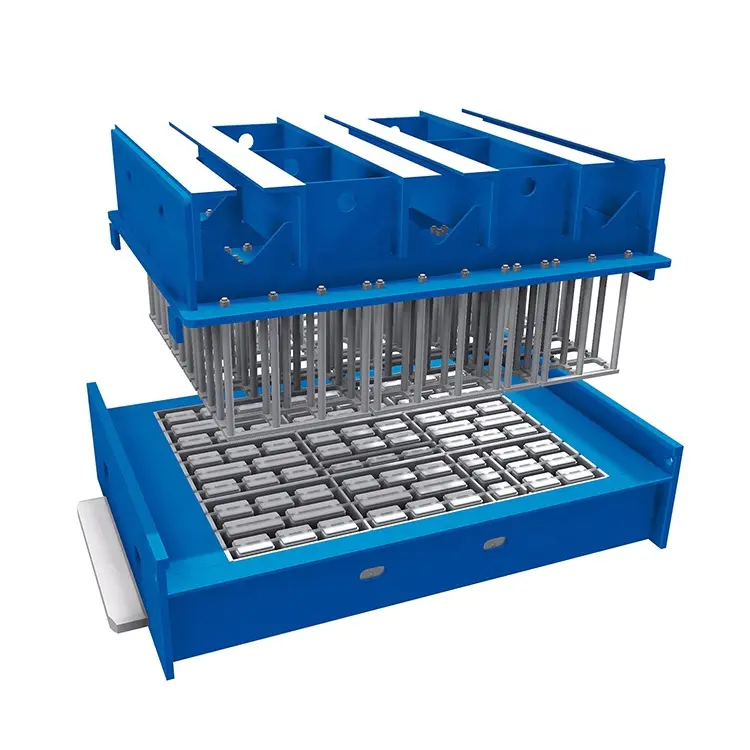

A:A: Molds are consumable parts and are highly dependent on customer use and maintenance, so manufacturers generally do not offer warranties. If you require a warranty, please contact SS.
A:A: According to customer feedback, it typically takes 20,000 times, but this does not affect its usability.
A:A: Hard particles in the material will accelerate wear of the mold cavity. Standard stone molds can function normally, but molds made of harder stone, metal, or minerals will have a more significant impact. If a material change is possible, it is recommended to replace it with standard stone.
A:A: According to current feedback, the average mold lifespan is over 40,000 molds, depending on the customer's quality requirements for the finished bricks and the maintenance schedule. Specific factors affecting mold lifespan are described below.
A:A: The typical lead time for 844 pavement brick molds is 35-40 days, including design drawing time.
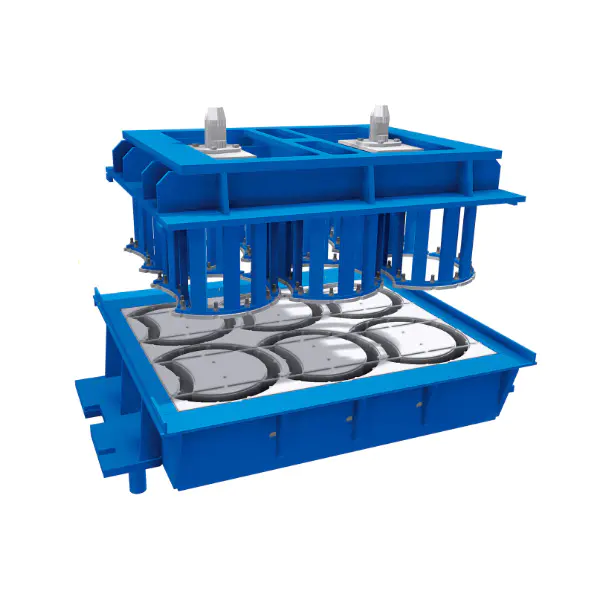
In the field of modern construction, efficiency and precision determine competitiveness. One of the most crucial elements for producing consistent and durable blocks is the Concrete Block Mould.