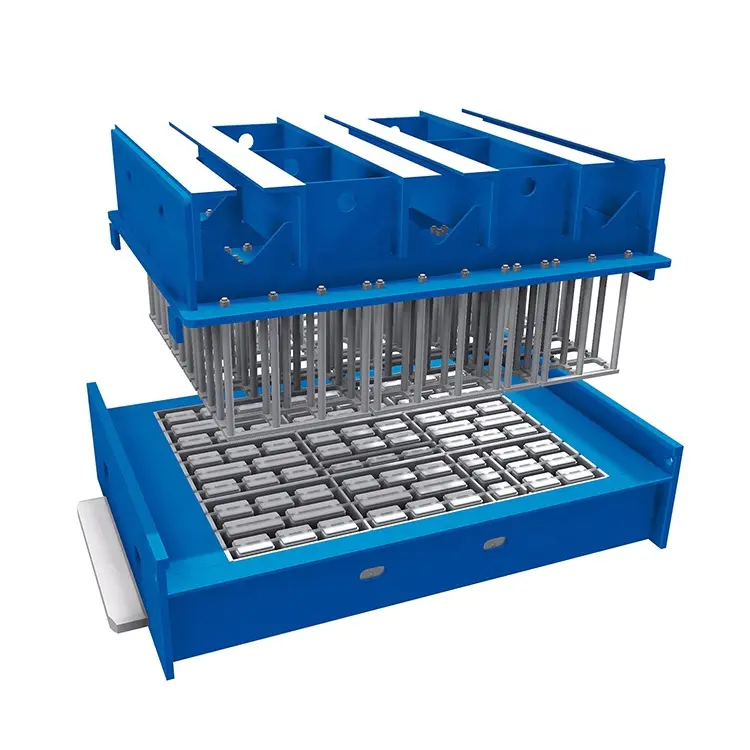

Concrete Paving Block Molds are essential tools for anyone in the construction or DIY paving industry, used to shape concrete into durable, uniform blocks for walkways, driveways, patios, and more. In this comprehensive guide, we will answer critical questions about concrete paving block molds, explore keyword-related questions, and provide visual aids, advantages, disadvantages, usage tips, and FAQs—all to help you make an informed decision.

Concrete paving block molds are manufactured tools designed to shape fresh concrete into specified block shapes. These molds can be made from steel, plastic, rubber, or composite materials, and they determine the final texture, size, and design of the concrete blocks. Whether you're aiming for standard rectangular blocks, interlocking shapes, or decorative stones, molds are the starting point of consistent quality production.
The core function of a paving block mold is to provide a repeatable form that withstands pressure and vibration during concrete setting, ensuring uniformity and strength across all produced blocks.
Using concrete paving block molds simplifies the block-making process, improves production efficiency, and ensures consistent results.
Concrete paving block molds come in a variety of shapes and materials.
| Type of Mold | Description | Typical Use |
|---|---|---|
| Rectangular Molds | Simple blocks for general paving | Driveways, sidewalks |
| Interlocking Molds | Blocks that lock together for stability | Heavy traffic areas |
| Decorative Molds | Complex shapes for aesthetic appeal | Gardens, patios |
| Hollow Block Molds | Molds for hollow structural blocks | Retaining walls, foundations |
Each type of mold serves a specific purpose. For example, interlocking molds enhance surface stability, while decorative molds enhance visual appeal.
Selecting the appropriate mold depends on your project goals, budget, and production scale.
| Feature | Advantage | Disadvantage |
|---|---|---|
| Steel Molds | Highly durable and long-lasting | Heavy and can be more expensive |
| Plastic Molds | Lightweight and affordable | Less durable over time |
| Rubber/Composite Molds | Flexible and easy release | Can be less precise |
For mass-production or commercial use, steel molds from reputable manufacturers like Fujian Quangong Mould Co.,Ltd offer a strong ROI due to their durability and performance.
What materials are used to make concrete paving block molds?
Molds can be made from steel, plastic, rubber, and composites. Steel offers durability, plastic is lightweight and cost-effective, while composite materials provide flexibility and surface finish benefits.
How long does concrete need to cure in a paving block mold?
Curing time depends on mix design and environmental conditions, but typically concrete requires 24–48 hours to set sufficiently for demolding, and full strength may take up to 28 days.
Can plastic molds produce durable paving blocks?
Yes, plastic molds can produce durable blocks if the concrete mix is properly prepared and cured. However, plastic molds may wear out faster than steel ones.
Are interlocking block molds better than standard rectangular molds?
Interlocking molds provide enhanced load distribution and surface stability, especially in high-traffic areas. Standard molds may be simpler and cheaper but may not offer the same structural lock.
Where can I source high-quality molds?
Reputable manufacturers like Fujian Quangong Mould Co.,Ltd supply a wide range of high-quality concrete block molds suitable for both commercial and small-scale use.
Do molds come with any warranty?
Warranty depends on the manufacturer. Check with suppliers like Fujian Quangong Mould Co.,Ltd to understand product warranties and support before purchase.