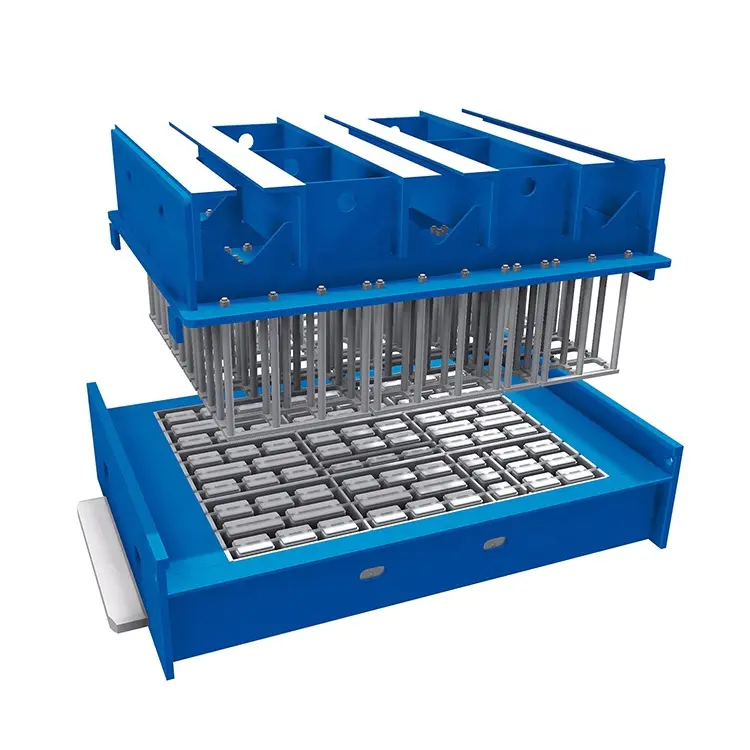

Precast concrete moulds play a critical role in modern construction by helping manufacturers produce accurate, durable, and consistent concrete components. From infrastructure projects to residential buildings, the demand for high-performance mould solutions continues to grow. This article explains how precast concrete moulds solve common production challenges, improve manufacturing efficiency, reduce costs, and support high-quality concrete products. It also introduces key selection factors, applications, maintenance methods, and industry insights to help businesses make informed decisions.
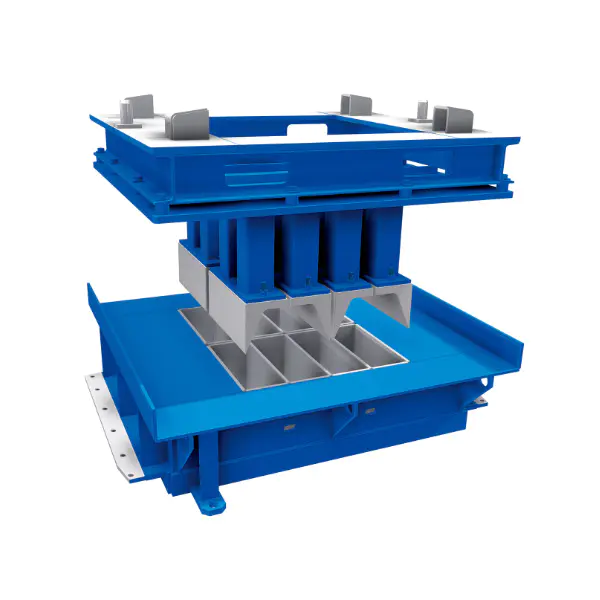
The construction industry is continuously looking for faster, safer, and more cost-effective building solutions. Precast concrete technology has become an essential method for achieving these goals because concrete components can be manufactured in controlled factory environments before being transported and installed on-site.
At the center of this process are precast concrete moulds. These moulds determine the shape, dimensions, surface quality, and structural accuracy of precast concrete products. They are specially designed tools used to form concrete components such as wall panels, drainage channels, stairs, columns, beams, pipes, and decorative elements.
Unlike traditional on-site concrete casting, precast production requires reliable mould systems that can withstand repeated use while maintaining precise performance. A high-quality mould helps manufacturers reduce material waste, improve production speed, and achieve consistent product standards.
| Aspect | Traditional Concrete Casting | Precast Concrete Production |
|---|---|---|
| Production Location | Construction site | Controlled factory environment |
| Quality Control | Limited by weather and site conditions | Strict and consistent |
| Production Speed | Slower construction process | Faster component manufacturing |
| Mould Requirements | Temporary structures | Durable reusable mould systems |
Many concrete manufacturers face challenges related to production efficiency, product consistency, and operational costs. Choosing suitable precast concrete moulds can effectively address these issues.
Not all moulds provide the same level of performance. Professional precast concrete moulds should combine durability, precision, and practical usability.
| Feature | Benefits |
|---|---|
| High Dimensional Accuracy | Ensures consistent concrete component sizes and easy installation |
| Strong Structural Design | Supports repeated production cycles without deformation |
| Excellent Surface Finish | Creates smooth concrete surfaces and reduces finishing work |
| Easy Demoulding System | Improves production speed and reduces product damage |
| Customization Capability | Meets different project requirements and design specifications |
The material selection of moulds is also important. Steel moulds are widely used for large-scale production because of their strength and long service life. Other materials may be selected depending on product shape, production volume, and project requirements.
Precast concrete moulds are available in various designs to support different construction needs. Selecting the correct mould type helps manufacturers achieve better productivity and product performance.
| Mould Type | Main Applications |
|---|---|
| Wall Panel Moulds | Precast walls, building facades, residential structures |
| Pipe Moulds | Concrete drainage pipes, sewage systems, water infrastructure |
| Column and Beam Moulds | Industrial buildings, bridges, commercial construction |
| Staircase Moulds | Prefabricated stairs for residential and commercial projects |
| Custom Concrete Moulds | Special architectural and engineering requirements |
With increasing demand for customized construction solutions, manufacturers are investing in advanced mould designs that support complex shapes and high-performance concrete products.
Choosing the right mould is an important decision that directly affects production efficiency and product quality. Before purchasing, manufacturers should evaluate several important factors.
Efficient production is one of the biggest advantages of using advanced precast concrete moulds. A well-designed mould system helps manufacturers optimize every stage of the production process.
For large construction projects, these advantages can significantly shorten production schedules and improve overall project profitability.
Proper maintenance is essential for maximizing the lifespan of precast concrete moulds. Even high-quality moulds require regular care to maintain performance.
| Maintenance Practice | Purpose |
|---|---|
| Clean mould surfaces after use | Prevents concrete residue buildup |
| Apply suitable release agents | Improves demoulding efficiency |
| Inspect mould structure regularly | Detects damage before affecting production |
| Store moulds properly | Prevents corrosion and deformation |
Regular inspection and correct operation can greatly extend mould service life and maintain stable production quality.
A reliable mould supplier provides more than just products. Professional manufacturers offer engineering support, customization services, quality control, and production solutions that help customers achieve better results.
Fujian Quangong Mould Co.,Ltd specializes in providing professional mould solutions for precast concrete production. With advanced manufacturing capabilities and industry experience, the company focuses on delivering durable, accurate, and customized precast concrete moulds to meet different construction requirements.
Working with an experienced manufacturer helps customers reduce risks, improve production efficiency, and obtain mould solutions designed for long-term performance.
Precast concrete moulds are used to shape concrete products during factory production. They are commonly applied for wall panels, pipes, beams, columns, stairs, and customized concrete components.
The service life depends on mould material, manufacturing quality, production frequency, and maintenance methods. Properly designed moulds can support many repeated production cycles.
Yes. Professional manufacturers can design customized moulds according to product dimensions, structural requirements, and specific project applications.
High mould accuracy ensures consistent concrete component dimensions, reduces installation problems, improves appearance quality, and minimizes production waste.
Precast concrete moulds are essential tools for modern construction manufacturing. They help companies produce high-quality concrete components faster, more efficiently, and with greater consistency. From improving product accuracy to reducing production costs, the right mould solution can create significant value throughout the entire construction process.
Choosing an experienced supplier is the key to achieving reliable performance and long-term benefits. Fujian Quangong Mould Co.,Ltd provides professional precast concrete mould solutions designed to support different construction applications. If you are looking for durable, customized, and high-performance mould products, please contact us today to discuss your requirements and find the ideal solution for your business.