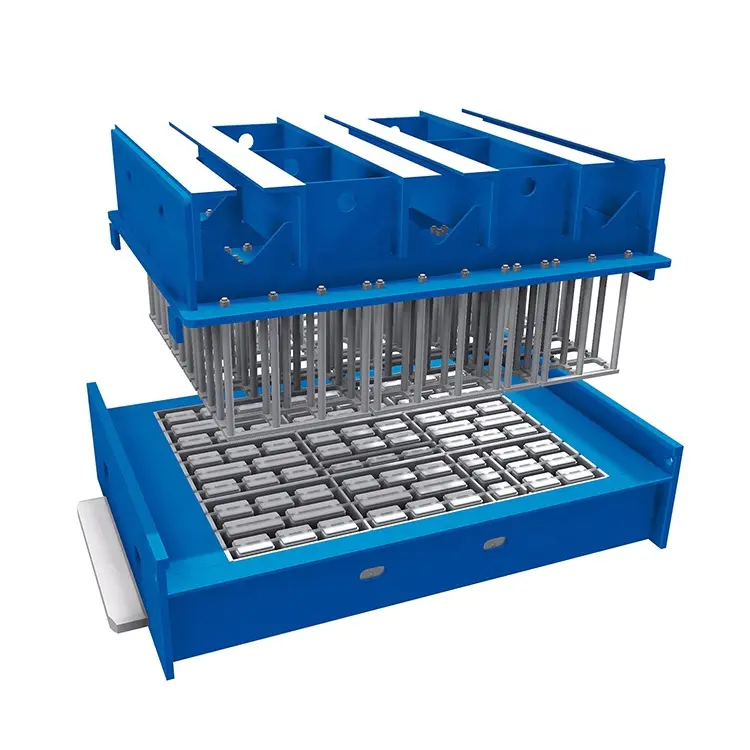

A paver block mould is a critical tool in modern concrete paving production. It directly influences product appearance, dimensional accuracy, strength, production speed, and overall manufacturing cost. For construction material manufacturers, selecting the right mould can solve common problems such as inconsistent block sizes, surface defects, high material waste, and low production efficiency. This article explains the working principles, advantages, applications, selection factors, and maintenance methods of paver block moulds to help manufacturers achieve stable and high-quality production.
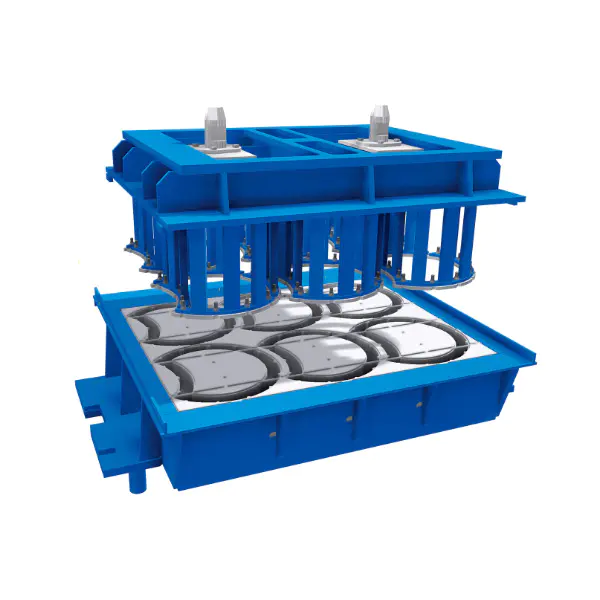
A paver block mould is a specialized forming tool used to manufacture concrete paving blocks with accurate shapes, sizes, and surface patterns. During production, concrete mixtures are poured into the mould, compressed through vibration or hydraulic pressure, and cured to achieve the required strength.
Paver blocks are widely used in sidewalks, parking areas, driveways, public squares, gardens, and industrial roads because they provide excellent durability and easy installation. The mould determines the final appearance and structural performance of the paving product.
Modern paver block moulds are designed with advanced materials and precise manufacturing techniques to ensure repeated production without deformation. Manufacturers such as Fujian Quangong Mould Co.,Ltd provide customized mould solutions to meet different construction requirements and production environments.
The quality of a mould directly affects the quality of finished paver blocks. A poorly designed mould can lead to uneven edges, inaccurate dimensions, cracks, and increased production costs.
| Production Requirement | Impact of Quality Mould |
|---|---|
| Dimensional Accuracy | Ensures every paver block has consistent size and shape. |
| Surface Quality | Creates smooth surfaces and clear patterns. |
| Production Efficiency | Reduces replacement frequency and improves output capacity. |
| Material Saving | Minimizes concrete waste caused by defects. |
| Product Durability | Supports stable compression and uniform density. |
Many manufacturers face challenges during concrete block production. A reliable paver block mould helps overcome these issues effectively.
Different construction projects require different paving solutions. Therefore, paver block moulds are available in various designs.
| Mould Type | Main Features | Typical Applications |
|---|---|---|
| Plastic Paver Block Mould | Lightweight, affordable, easy to operate | Small and medium paving projects |
| Rubber Paver Block Mould | Flexible and easy demoulding | Decorative paving blocks |
| Steel Paver Block Mould | High strength and long service life | Large-scale production |
| Customized Paver Block Mould | Designed according to customer requirements | Special shapes and unique designs |
Professional moulds provide stable dimensions and uniform appearance, helping manufacturers maintain consistent product quality across thousands of production cycles.
A durable mould reduces downtime caused by replacement or repair. Faster demoulding and better structural stability improve overall manufacturing productivity.
Modern mould technology allows manufacturers to create different patterns, textures, and sizes according to market demand.
Although premium moulds require an initial investment, their longer service life and lower maintenance requirements create better long-term economic value.
Selecting a suitable mould requires consideration of several factors:
A reliable paver block mould usually goes through multiple manufacturing stages to ensure precision and durability.
Strict quality control ensures that every mould can withstand repeated pressure, vibration, and environmental conditions during production.
| Material | Advantages | Limitations |
|---|---|---|
| Plastic | Low cost, lightweight, easy handling | Lower resistance under heavy production conditions |
| Rubber | Flexible, good surface finishing | Limited lifespan for high-volume manufacturing |
| Steel | Excellent strength, durability, precision | Higher initial investment |
Proper maintenance can significantly extend the working life of a paver block mould.
Common materials include plastic, rubber, and steel. The best choice depends on production volume, product design, and durability requirements.
Yes. Professional manufacturers can design customized moulds according to specific sizes, shapes, patterns, and production equipment.
The service life depends on material quality, production conditions, maintenance methods, and usage frequency.
High-quality moulds reduce production problems, improve product consistency, lower maintenance costs, and increase overall profitability.
A paver block mould plays an essential role in modern concrete paving production. It determines product accuracy, appearance, durability, and manufacturing efficiency. For manufacturers facing problems such as inconsistent quality, high production costs, or frequent mould replacement, choosing a reliable mould solution is a practical way to improve competitiveness.
With professional manufacturing experience, advanced production technology, and customized solutions, Fujian Quangong Mould Co.,Ltd helps customers achieve stable and efficient paver block production. Whether for standard paving products or special customized designs, selecting the right mould can create long-term value for construction material businesses.
If you are looking for durable, precise, and customized paver block mould solutions, please contact us today. Fujian Quangong Mould Co.,Ltd is ready to provide professional support and reliable mould products for your business.