


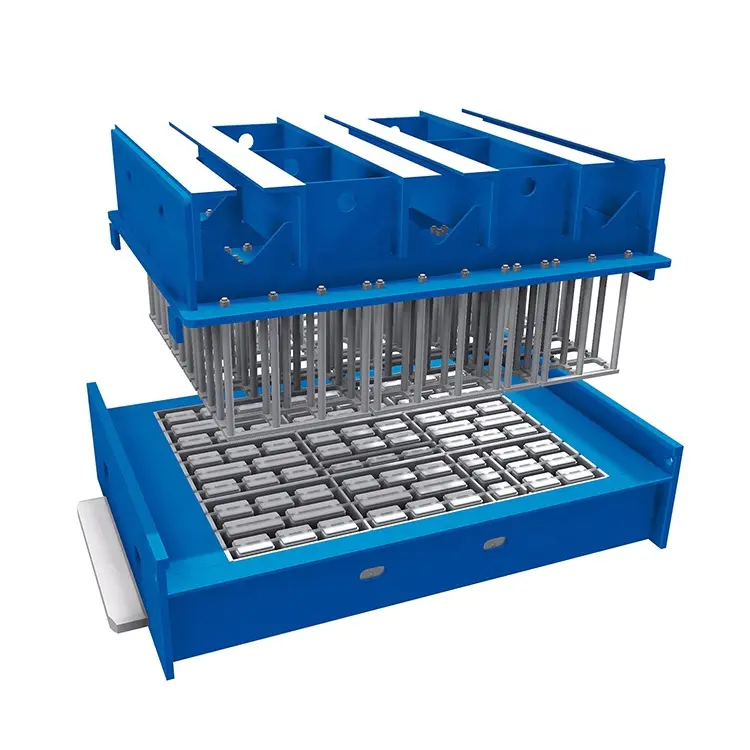
As sustainability becomes a key priority in the construction industry, manufacturers are looking for smarter solutions to reduce waste, lower production costs, and create environmentally friendly building materials. Recycled Material Brick Molds provide an effective approach by allowing producers to manufacture high-quality bricks using recycled resources while maintaining consistent shape, strength, and durability.
This article explains how recycled material brick molds work, why they are becoming increasingly important, what challenges manufacturers face during production, and how choosing the right mold supplier can improve efficiency and product quality. From material selection to mold design, this guide provides practical insights for businesses seeking reliable and sustainable brick manufacturing solutions.
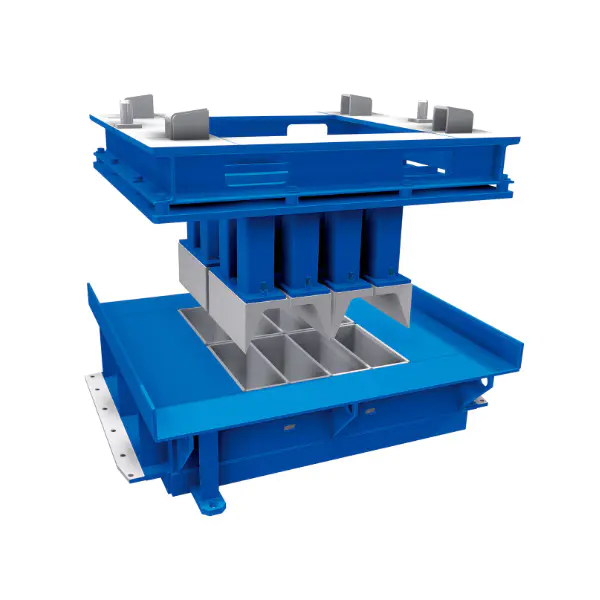
Table of Contents
- 1. What Are Recycled Material Brick Molds?
- 2. Why Are Recycled Material Brick Molds Becoming More Popular?
- 3. What Production Challenges Can These Molds Solve?
- 4. Key Features of High-Quality Recycled Material Brick Molds
- 5. Traditional Brick Molds vs Recycled Material Brick Molds
- 6. How to Choose the Right Brick Mold Manufacturer?
- 7. Applications of Recycled Material Brick Molds
- 8. Maintenance Tips for Longer Mold Service Life
- 9. Frequently Asked Questions
- 10. Build Sustainable Brick Production With Professional Mold Solutions
Article Outline
- Main Topic: Sustainable brick production using recycled material brick molds.
- Core Challenges: Waste reduction, production efficiency, mold durability, and product consistency.
- Solutions: Advanced mold manufacturing technology, customized designs, and durable materials.
- Target Users: Brick manufacturers, construction material suppliers, environmental building companies, and industrial investors.
What Are Recycled Material Brick Molds?
Recycled Material Brick Molds are specially designed molds used for producing bricks made from recycled materials such as recycled concrete, industrial waste, plastic composites, fly ash, and other sustainable resources. These molds help manufacturers transform discarded materials into valuable construction products.
Unlike conventional brick molds that mainly focus on standard clay or concrete production, recycled material brick molds are engineered to handle different material characteristics, including variations in density, moisture levels, and particle structures.
A professional mold design ensures that recycled bricks maintain accurate dimensions, smooth surfaces, and reliable mechanical performance. This is especially important because inconsistent molding can lead to cracks, deformation, and increased production waste.
- Supports environmentally friendly construction practices
- Reduces dependence on traditional raw materials
- Improves production efficiency
- Creates consistent brick shapes and sizes
- Helps manufacturers reduce long-term operating costs
Why Are Recycled Material Brick Molds Becoming More Popular?
The global construction industry is experiencing increasing pressure to reduce carbon emissions and minimize resource consumption. Traditional brick manufacturing often requires large amounts of natural resources and energy, creating environmental challenges.
Recycled material brick molds provide manufacturers with a practical solution. By supporting recycled raw materials, these molds help companies develop greener products without sacrificing production performance.
| Industry Challenge | How Recycled Material Brick Molds Help |
|---|---|
| High raw material consumption | Allows the use of recycled resources and industrial by-products |
| Increasing production costs | Improves material utilization and reduces waste |
| Environmental regulations | Supports sustainable manufacturing requirements |
| Product quality inconsistency | Provides accurate and stable molding performance |
For manufacturers, sustainability is no longer only an environmental responsibility. It has become an important factor influencing market competitiveness, customer trust, and long-term business development.
What Production Challenges Can These Molds Solve?
Although recycled materials offer many advantages, processing them into high-quality bricks can be challenging. Different recycled materials may have different properties, making mold design a critical factor.
1. Maintaining Product Consistency
One major challenge in recycled brick production is achieving uniform size and shape. Poor-quality molds may create uneven surfaces or dimensional errors, affecting installation efficiency.
High-precision recycled material brick molds ensure every brick follows the same specifications, improving overall construction quality.
2. Improving Mold Durability
Recycled materials may contain abrasive particles that increase mold wear. Durable mold materials and advanced manufacturing techniques help extend service life and reduce replacement frequency.
3. Increasing Production Efficiency
Manufacturers need molds that support fast production cycles while maintaining accuracy. Optimized mold structures reduce downtime and improve output capacity.
4. Supporting Customized Brick Designs
Modern construction projects often require unique brick shapes, textures, and sizes. Customized recycled material brick molds allow manufacturers to respond quickly to different market demands.
Key Features of High-Quality Recycled Material Brick Molds
Selecting a professional mold solution is essential for achieving stable production results. A reliable recycled material brick mold should include several important characteristics.
| Feature | Importance |
|---|---|
| High Precision Manufacturing | Ensures accurate brick dimensions and consistent quality |
| Strong Wear Resistance | Improves mold lifespan under continuous production conditions |
| Customized Design Capability | Meets different brick specifications and applications |
| Excellent Material Compatibility | Works effectively with various recycled materials |
| Easy Maintenance Structure | Reduces production interruptions and maintenance costs |
Professional manufacturers usually combine engineering experience, advanced equipment, and strict quality control processes to create molds that deliver reliable performance in demanding production environments.