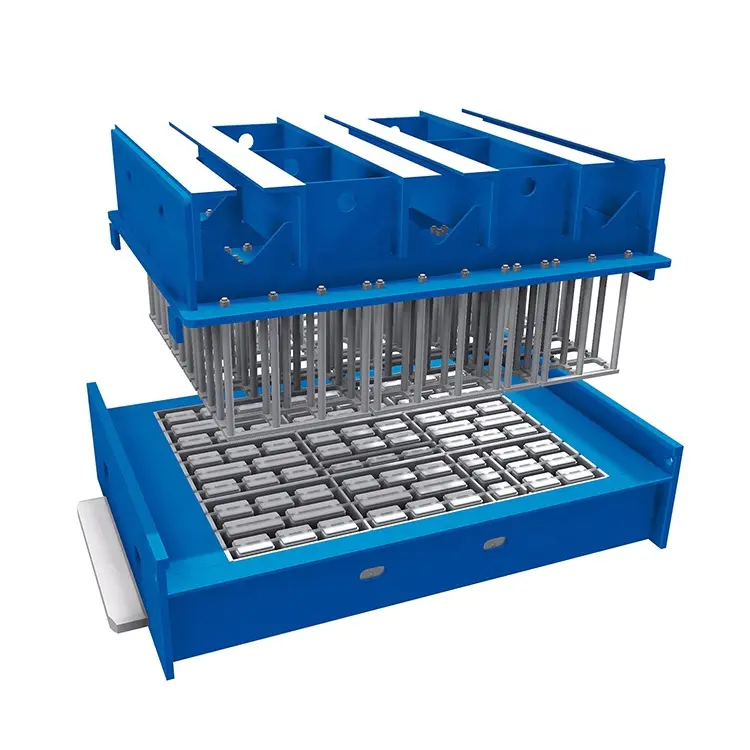

Ecological block molds are reshaping the construction industry by enabling the production of environmentally friendly building blocks with reduced material waste, improved durability, and enhanced efficiency. This comprehensive guide explores how ecological block molds work, their benefits, applications, and how they address common customer concerns such as cost, sustainability, and performance. Whether you are a manufacturer, contractor, or investor, this article will provide practical insights to help you make informed decisions.
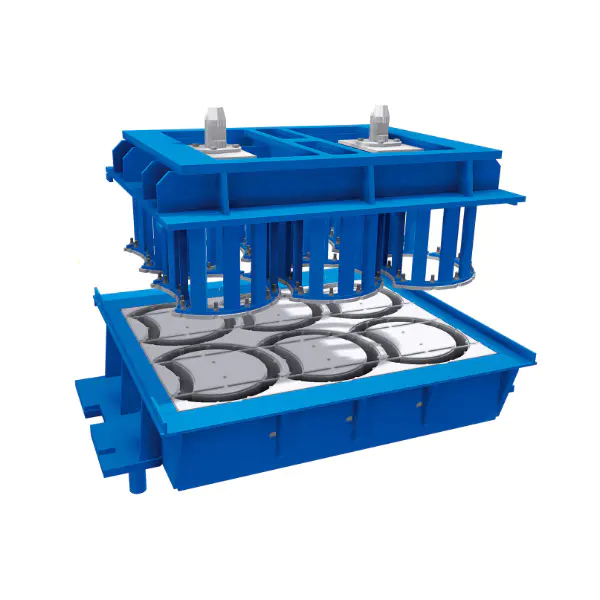
An ecological block mold is a specialized tool used to produce environmentally friendly concrete or composite blocks. These molds are engineered to optimize material usage, reduce waste, and enable the use of recycled or sustainable raw materials.
Unlike traditional molds, ecological versions are designed with precision engineering to ensure uniformity, strength, and minimal environmental impact. They are widely used in manufacturing interlocking blocks, permeable bricks, and lightweight construction materials.
Construction is one of the largest contributors to environmental impact globally. Ecological block molds address several key challenges:
With increasing regulatory pressure and demand for green buildings, these molds play a critical role in sustainable infrastructure development.
The process involves shaping raw materials into blocks using high-pressure molding systems. The mold determines the size, texture, and structural integrity of the final product.
Basic workflow:
Advanced molds are designed to ensure:
| Material Type | Description | Environmental Benefit |
|---|---|---|
| Recycled Concrete | Crushed old concrete reused | Reduces landfill waste |
| Fly Ash | Industrial byproduct | Lowers cement usage |
| Slag | Steel industry residue | Improves durability |
| Natural Aggregates | Sand, gravel | Widely available |
| Biomass Materials | Organic fillers | Renewable resource |
1. Cost Efficiency
Optimized material usage reduces overall production costs.
2. Environmental Sustainability
Supports green construction practices by enabling recycled materials.
3. High Durability
Produces blocks with consistent strength and long lifespan.
4. Design Flexibility
Custom molds allow various shapes and sizes.
5. Improved Productivity
Automation compatibility increases output efficiency.
| Pain Point | Cause | Solution |
|---|---|---|
| High production cost | Material waste | Use precision ecological molds |
| Inconsistent block quality | Poor mold design | Upgrade to high-precision molds |
| Short mold lifespan | Low-quality materials | Choose wear-resistant steel molds |
| Environmental compliance issues | High emissions | Adopt eco-friendly production methods |
| Low efficiency | Manual processes | Integrate automated systems |
Ecological block molds are especially valuable in projects requiring permeable surfaces and sustainable drainage systems.
| Feature | Traditional Mold | Ecological Mold |
|---|---|---|
| Material Efficiency | Low | High |
| Environmental Impact | High | Low |
| Durability | Moderate | High |
| Customization | Limited | Flexible |
| Cost Over Time | Higher | Lower |
When selecting a mold, consider the following factors:
Choosing a reliable manufacturer ensures consistent quality and long-term performance.
Proper maintenance significantly extends mold lifespan and maintains product quality.
The future of ecological block molds is driven by innovation and sustainability goals:
These advancements will further reduce environmental impact while improving efficiency and scalability.
Q1: Are ecological block molds more expensive than traditional molds?
A: While the initial investment may be higher, they offer long-term savings through reduced material waste and increased durability.
Q2: Can recycled materials affect block quality?
A: When used correctly with high-quality molds, recycled materials can produce strong and durable blocks.
Q3: How long does an ecological block mold last?
A: With proper maintenance, high-quality molds can last for years even under heavy production conditions.
Q4: Are these molds suitable for small-scale production?
A: Yes, they can be adapted for both small and large-scale manufacturing setups.
Q5: What industries benefit the most from ecological block molds?
A: Construction, landscaping, infrastructure, and environmental engineering industries benefit significantly.
Ecological block molds represent a powerful solution for modern construction challenges. They combine efficiency, sustainability, and durability, making them an essential tool for forward-thinking businesses. By adopting these molds, companies can reduce costs, improve product quality, and contribute to a greener future.
Fujian Quangong Mould Co.,Ltd is committed to delivering high-performance ecological block mold solutions tailored to your production needs. If you are looking to upgrade your manufacturing process and stay ahead in the industry, contact us today to explore customized solutions and expert support.