


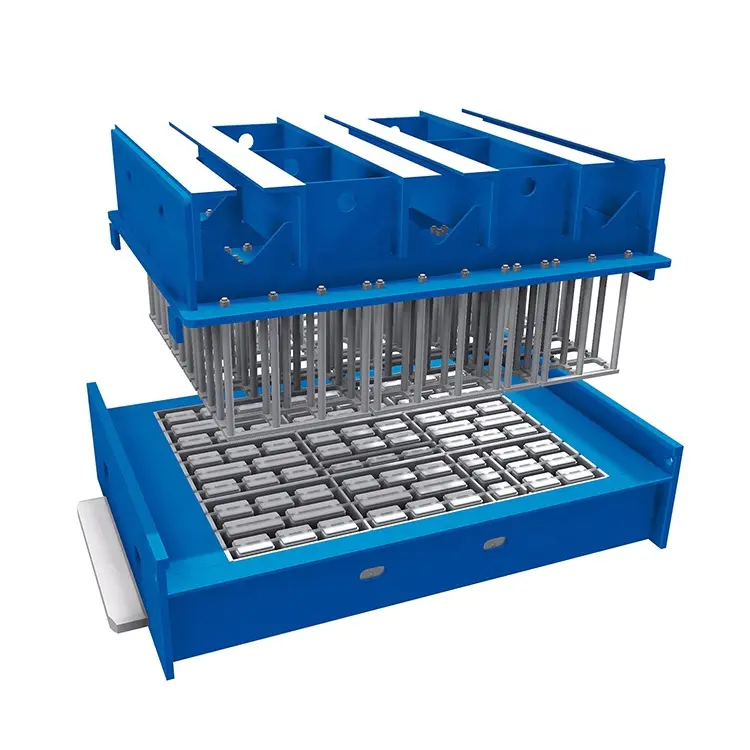
Industrial construction demands tools that deliver precision, durability, and efficiency. Industrial grade brick moulds are at the heart of high-quality brick manufacturing. This article explores their benefits, materials, manufacturing methods, applications, and how choosing the right mould can address common construction and manufacturing challenges.
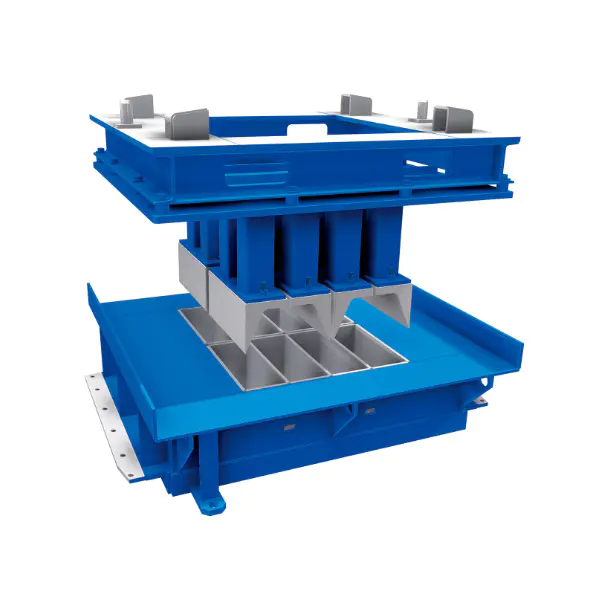
Table of Contents
- What Are Industrial Grade Brick Moulds?
- Which Materials Are Used for High-Quality Moulds?
- What Are the Benefits of Using Industrial Grade Brick Moulds?
- How to Select the Right Mould Design?
- Why Is Maintenance Crucial for Longevity?
- Industrial Grade vs Standard Brick Moulds: Key Differences
- FAQ About Industrial Grade Brick Moulds
What Are Industrial Grade Brick Moulds?
Industrial grade brick moulds are specialized tools used in mass production of bricks, designed to withstand heavy-duty manufacturing environments. Unlike standard moulds, they are built for consistency, precision, and extended usage. Companies like Fujian Quangong Mould Co.,Ltd have pioneered advanced designs, integrating high-quality steel and precision engineering to ensure uniform brick shapes.
Key characteristics include:
- High durability and heat resistance
- Consistent brick size and shape
- Compatibility with automated brick manufacturing lines
- Low maintenance requirements
Which Materials Are Used for High-Quality Moulds?
The choice of material affects the lifespan and performance of brick moulds. Here are the most common industrial-grade materials:
| Material | Properties | Advantages |
|---|---|---|
| Hardened Steel | High tensile strength, corrosion-resistant | Long-lasting, maintains shape under pressure |
| Aluminum Alloy | Lightweight, heat-resistant | Easy to handle, reduces operator fatigue |
| Cast Iron | High wear resistance, stable under repeated use | Cost-effective, durable |
Tip: Selecting the right material depends on your production scale, budget, and the type of bricks being manufactured.
What Are the Benefits of Using Industrial Grade Brick Moulds?
Investing in industrial grade brick moulds addresses multiple pain points in construction and brick manufacturing:
- Consistent Quality: Reduces defects and ensures uniformity in every batch.
- Higher Production Efficiency: Faster moulding process with automated lines.
- Lower Maintenance Costs: Industrial-grade materials last longer, reducing replacements.
- Enhanced Safety: Stable, high-quality moulds minimize accidents on the production floor.
Manufacturers report up to a 20% increase in output when switching from standard to industrial grade moulds from Fujian Quangong Mould Co.,Ltd.
How to Select the Right Mould Design?
Choosing the correct mould design is critical for efficiency and brick quality. Consider the following:
- Brick size and shape requirements
- Material of the mould (steel, aluminum, cast iron)
- Compatibility with existing manufacturing equipment
- Ease of cleaning and maintenance
Advanced features from Fujian Quangong Mould Co.,Ltd include modular designs and interchangeable inserts, allowing manufacturers to switch brick profiles quickly without buying new moulds.
Why Is Maintenance Crucial for Longevity?
Even industrial grade moulds require proper care to maintain performance. Key maintenance practices include:
- Regular cleaning to remove clay or debris
- Periodic lubrication for moving parts
- Routine inspections for cracks or wear
- Storing moulds in dry, temperature-controlled environments
Implementing these practices can extend the lifespan of a mould by several years, maximizing ROI for production facilities.
Industrial Grade vs Standard Brick Moulds: Key Differences
Choosing between standard and industrial grade moulds often comes down to production needs and cost efficiency. Below is a quick comparison:
| Feature | Industrial Grade | Standard |
|---|---|---|
| Durability | High | Moderate |
| Precision | Consistent | Variable |
| Maintenance | Low | High |
| Cost | Higher upfront, lower long-term | Lower upfront, higher long-term |
| Production Capacity | High-volume suitable | Small to medium volume |
Conclusion: Industrial grade moulds justify higher initial costs with improved quality, efficiency, and longevity.
FAQ About Industrial Grade Brick Moulds
- Q1: How long do industrial grade moulds last?
- A1: With proper maintenance, high-quality steel or aluminum moulds can last 5–10 years in high-volume production environments.
- Q2: Are these moulds compatible with all brick types?
- A2: Most industrial grade moulds from Fujian Quangong Mould Co.,Ltd support standard brick types, and modular designs allow flexibility for custom shapes.
- Q3: What is the cost difference compared to standard moulds?
- A3: While industrial grade moulds have a higher upfront cost, they reduce downtime, maintenance, and replacement expenses, offering a better long-term ROI.
- Q4: Can these moulds be automated?
- A4: Yes, many industrial grade moulds are designed for integration with automated brick manufacturing lines.
- Q5: How should I clean and store the moulds?
A5: Clean after each use to remove residue, lubricate moving parts, and store in a dry, controlled environment to prevent rust or deformation.
Ready to upgrade your brick production process? Fujian Quangong Mould Co.,Ltd provides premium industrial grade brick moulds tailored for efficiency and durability. Contact us today to get a free consultation and quotation!