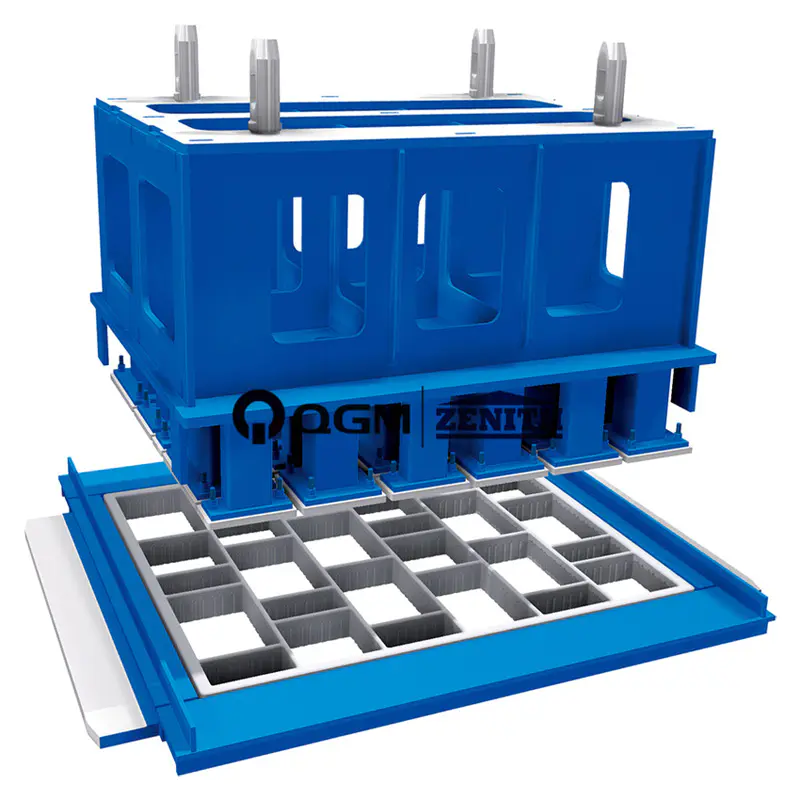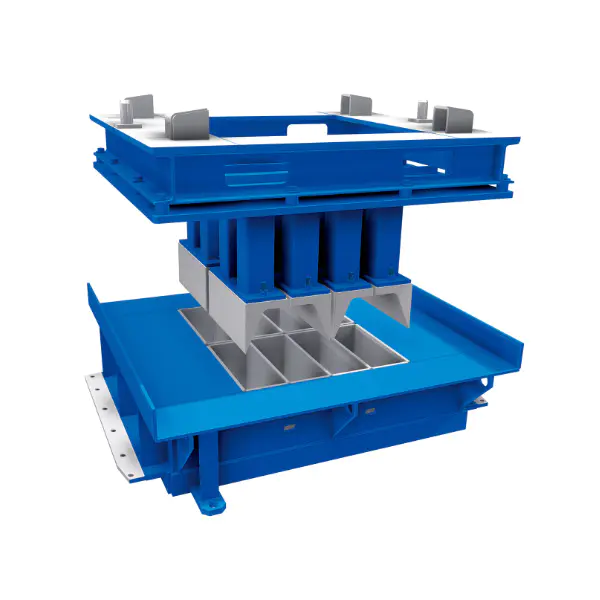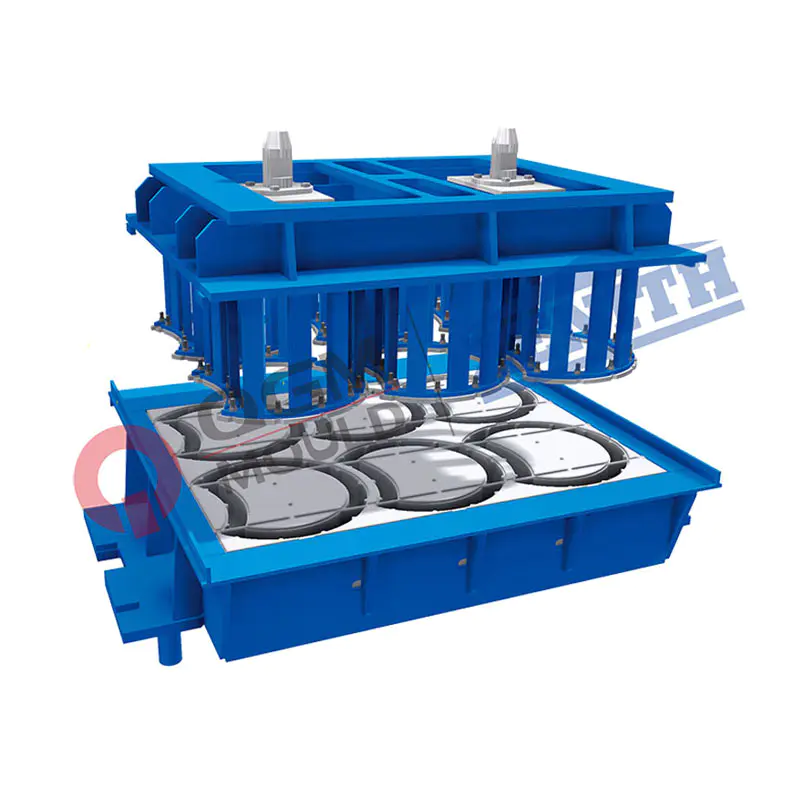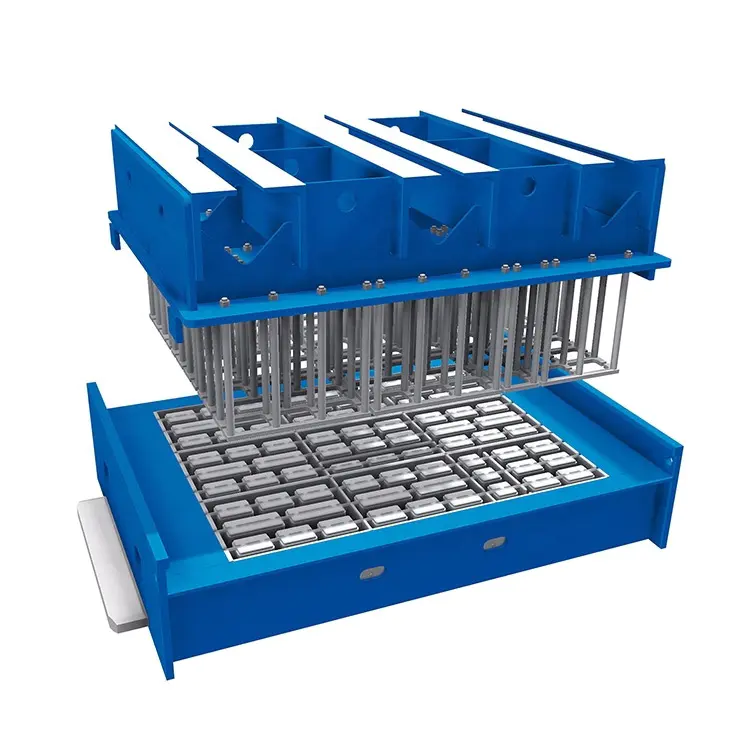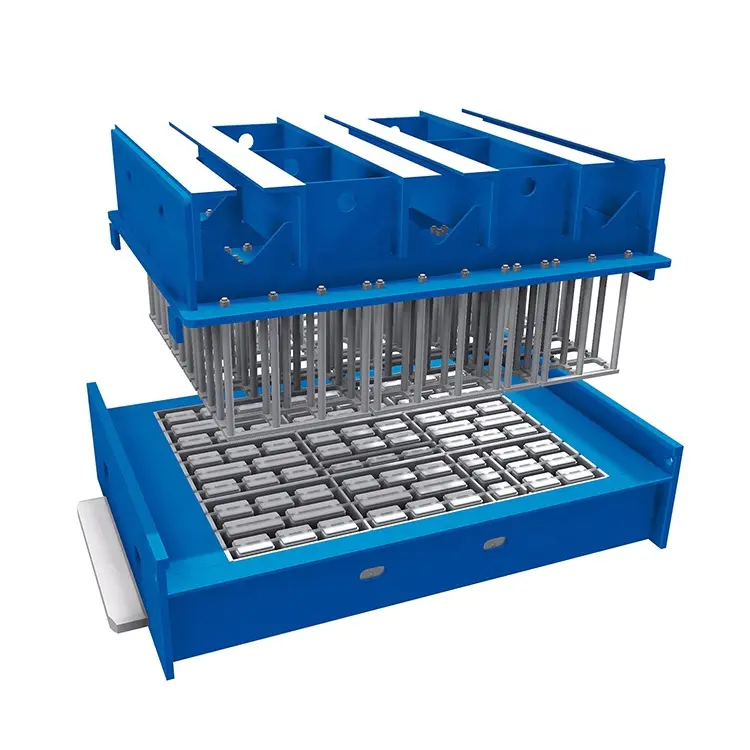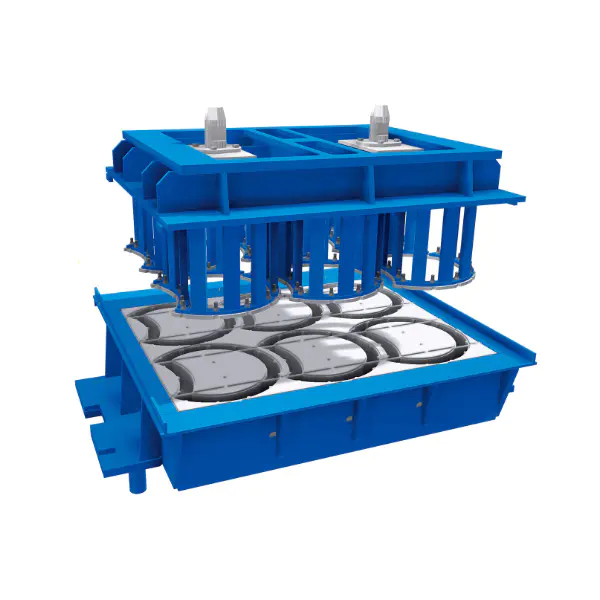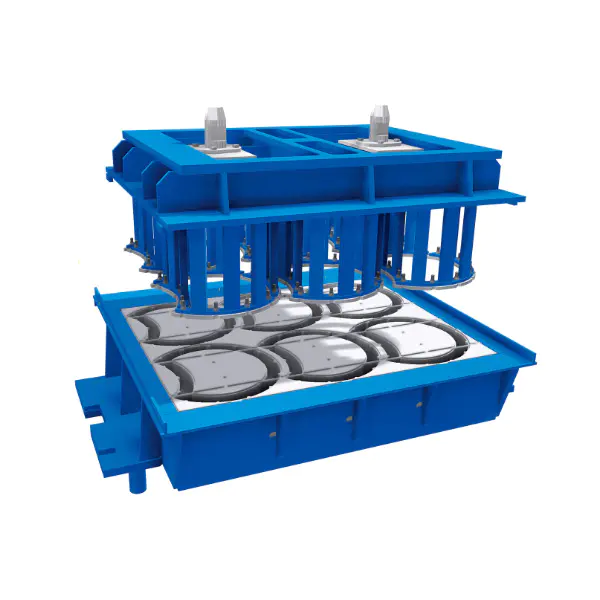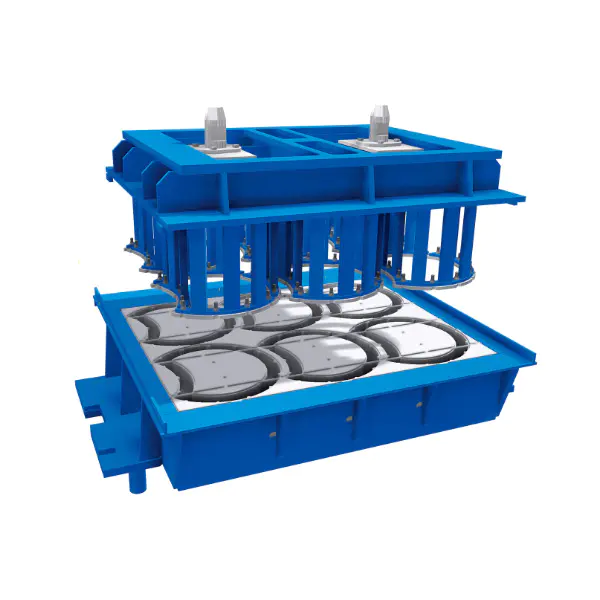

The old-fashioned unburned brick machine mold embodies a manufacturing tradition that predates modern kiln-fired methods, relying on intense mechanical compression to form dense, durable blocks without the energy-intensive burning process. While the classic unburned technique remains indispensable for affordable housing and low-carbon construction, contemporary offshoots have evolved to meet specific environmental demands. For example, the Permeable brick machine mold adapts the same pressure-forming principles to create pavers that allow water infiltration, reducing urban runoff. Similarly, the Permeable block machine mold is engineered for larger structural units that retain the interlocking strength of unburned bricks while adding drainage functionality. Our engineering team integrates these classic compaction geometries into every mold, whether it is a standalone Permeable block machinery mold for high-output automated lines or a specialized Permeable brick machinery mold designed for dual-layer pavers. Each mold inherits the robust simplicity of vintage unburned brick tooling, updated with precision CNC machining to meet modern tolerance standards while preserving the reliability that builders have trusted for decades.
The Old-fashioned unburned brick machine mold is built around a heavy-duty framework that withstands repetitive high-pressure compaction cycles. Its design typically features a rectangular cavity with hardened wear plates, an adjustable core system for hollow or solid configurations, and a quick-change mounting interface compatible with both manual toggle presses and hydraulic power units. By eliminating the firing stage, this mold supports on-site production using locally sourced soil, fly ash, lime, or cement-stabilized mixtures, substantially lowering embodied carbon and logistics costs. The following parameters highlight the core technical specifications that ensure consistent output across varying feedstocks:
Detailed dimensional and performance data for the most common configurations are summarized in the table below.
| Parameter | Standard Single Cavity | Heavy-Duty Multi-Cavity |
|---|---|---|
| Overall mold dimensions (L×W×H) | 450 × 320 × 260 mm | 560 × 460 × 300 mm |
| Brick size range | 230×110×75 mm / 250×120×80 mm | 230×110×75 mm (up to 4 pieces) |
| Max. compaction force rating | 80 tons | 200 tons |
| Press type compatibility | Manual toggle, small hydraulic | Medium/large hydraulic block machine |
| Weight | 78 kg | 145 kg |
| Cycle time (typical) | 25–35 seconds | 18–25 seconds (multi-brick) |
| Hollow core bar diameter | 28 mm (optional) | 28 mm / 32 mm |
| Wear plate thickness | 12 mm | 15 mm |
| Lubrication points | 4 grease nipples | 6 grease nipples |
The Old-fashioned unburned brick machine mold excels in settings where simplicity and field adaptability are paramount. Its low dependency on imported consumables, combined with the ability to produce both solid and hollow bricks without curing ovens, makes it particularly valuable for rural development projects and small-to-medium-scale producers. The use of bolted replaceable wear components extends service intervals to thousands of cycles before any part replacement is required, reducing downtime and total ownership cost. The mold’s geometry can be tailored to regional brick dimensions and surface textures, preserving architectural consistency while delivering consistent compressive strengths that regularly exceed 10 MPa when using cement-bound earth formulations.