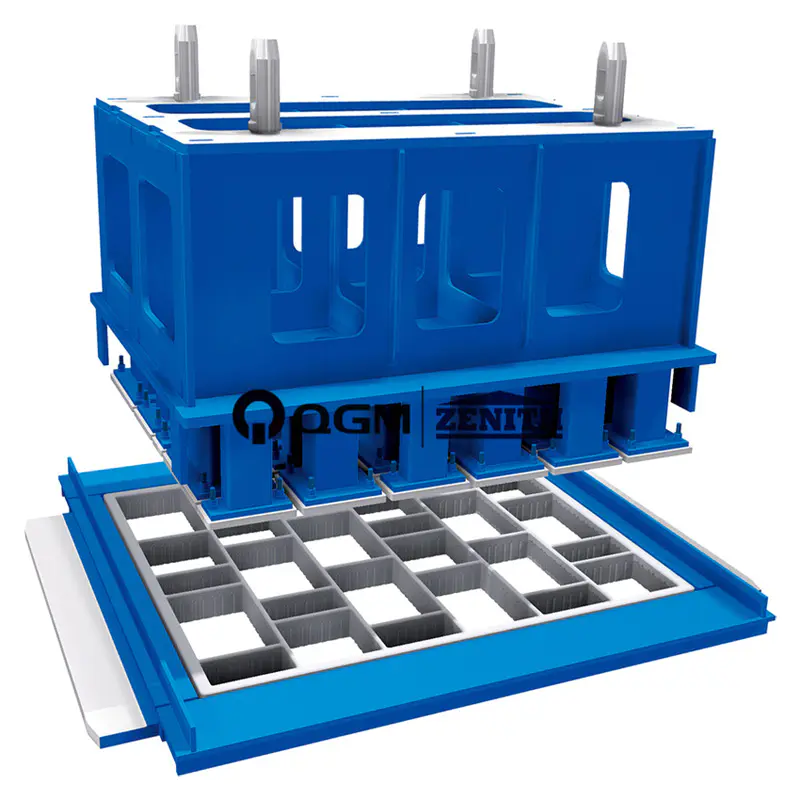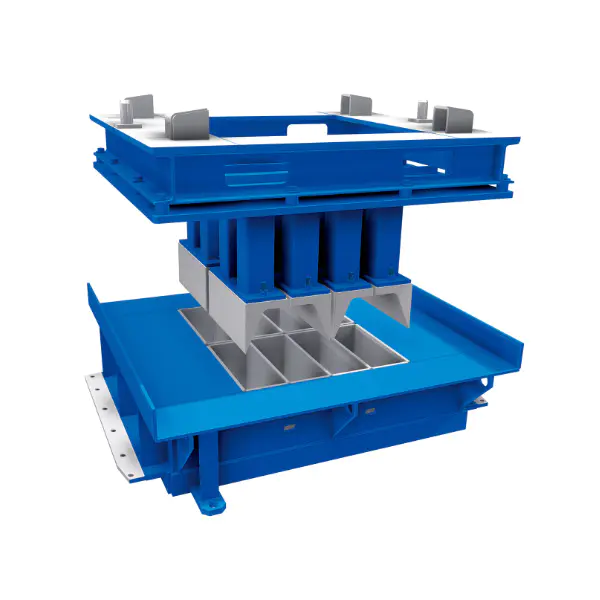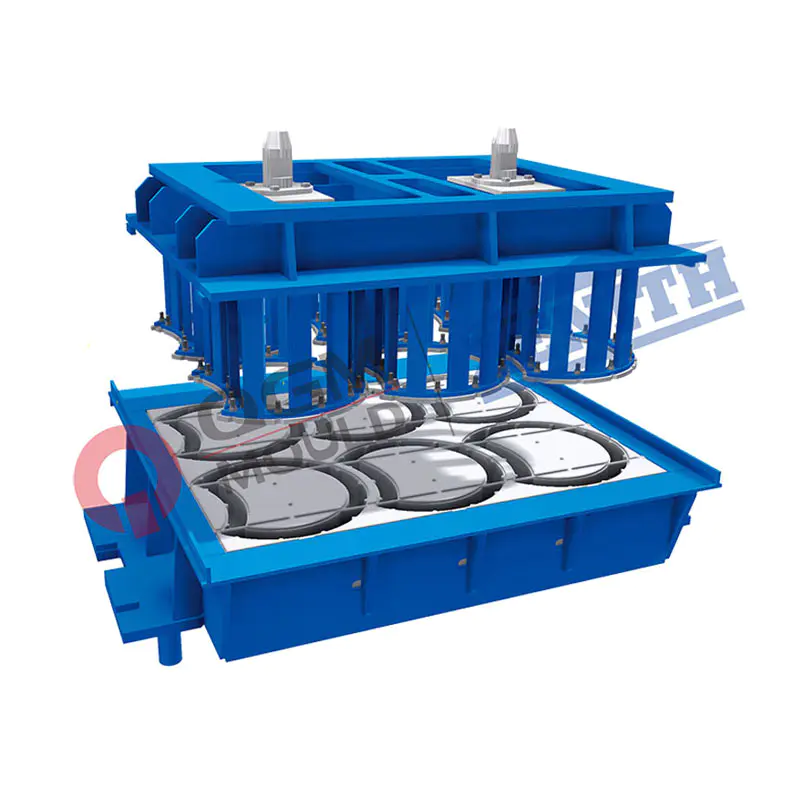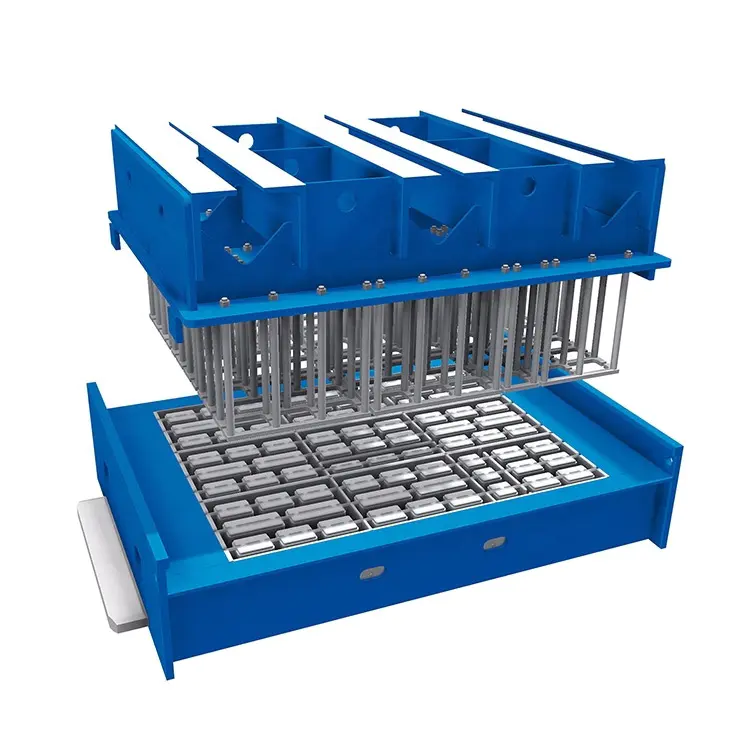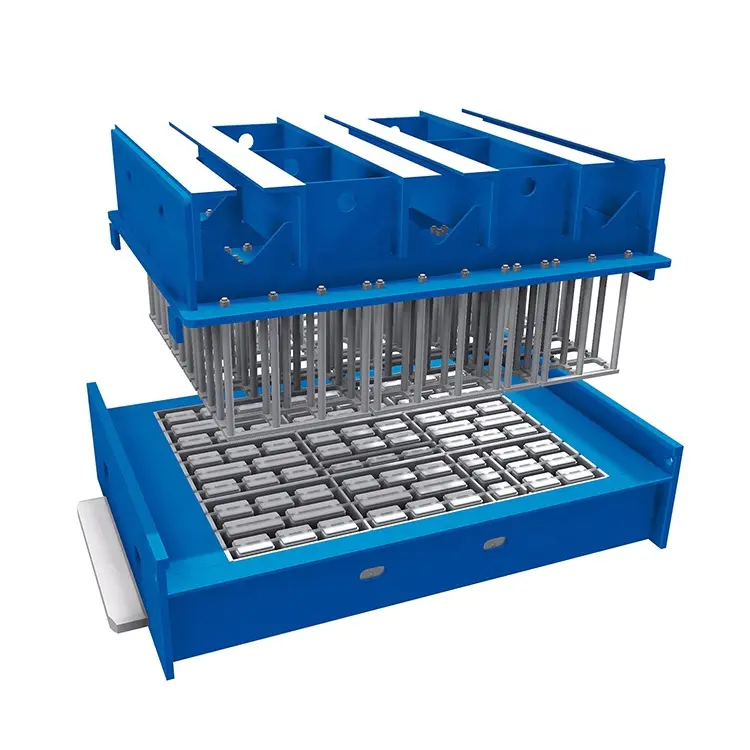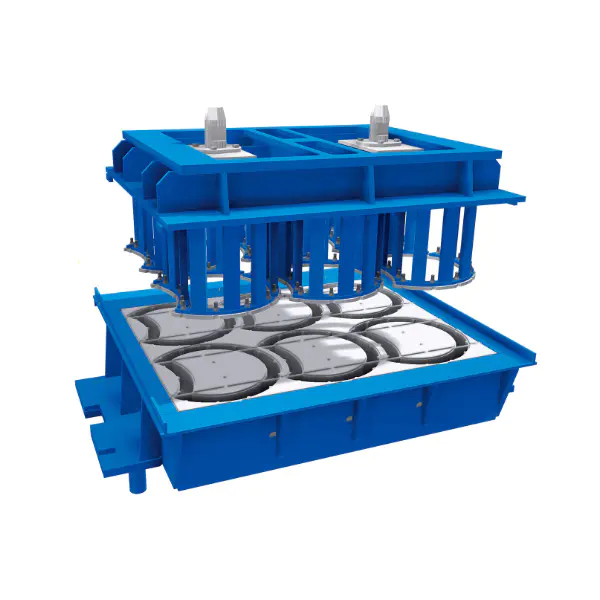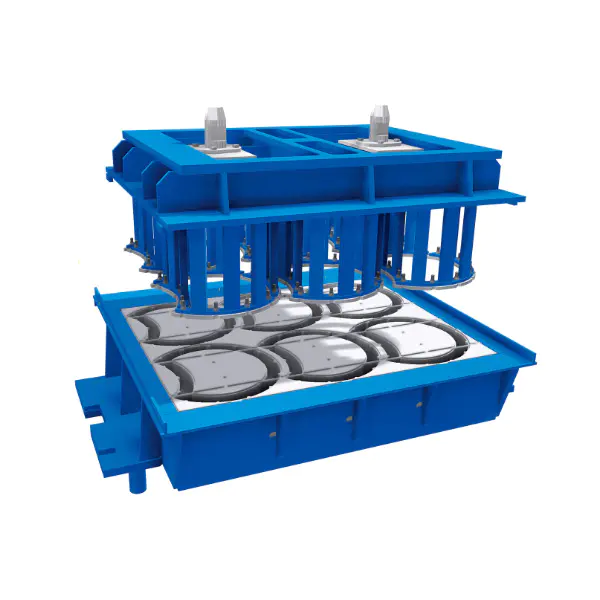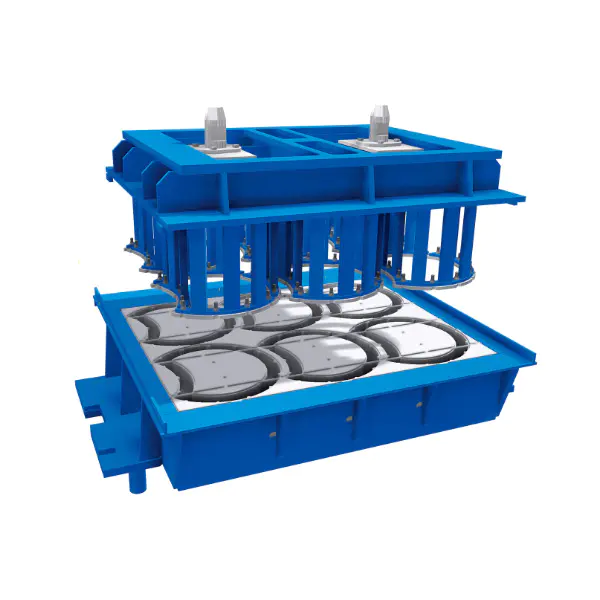

When it comes to efficient and sustainable urban drainage solutions, the demand for high-quality permeable paving has never been greater, and the foundation of every premium paver lies in the precision of its mold. Our engineering team has channeled decades of cumulative expertise into crafting the ultimate forming tools, drawing direct lineage from robust systems like the Old-fashioned unburned brick machine mold, which pioneered reliable vibration and compression techniques. This heritage informs our current flagship, the Permeable brick machine mold, a unit specifically optimized for high-cycle production of eco-friendly pavers with superior inter-particle void ratios. For larger-scale landscape and municipal projects requiring broader coverage, we also offer the closely related Permeable block machine mold configuration, which maintains identical percolation performance while adjusting the modular dimensions. Building on that versatility, the Permeable block machinery mold series extends compatibility across various automated press lines, ensuring seamless retrofitting into existing production environments with minimal downtime.
The heart of the <产品名字> lies in its adaptive design philosophy, which balances extreme compaction force with delicate void preservation. Unlike conventional flat-faced molds that close off surface pores during pressing, <产品名字> employs a proprietary pressure-release edge profile and tapered sidewall geometry. This ensures that after compression, the green product retains a consistent 15–25% connected porosity—exceeding ASTM C936 and local permeable pavement standards—while still achieving compressive strengths above 45 MPa through optimized aggregate packing. The mold frame is constructed from a single-piece cast alloy steel, heat-treated to 58–62 HRC, and all cavity surfaces undergo a diamond-honed finishing process that reduces demolding friction by up to 30% compared to conventional grinding.
| Parameter | Specification |
|---|---|
| Mold base material | 42CrMo alloy steel, quenched and tempered |
| Hardness (cavity liner) | 60–64 HRC (after deep cryogenic treatment) |
| Max. compression pressure | 25 MPa (evenly distributed via floating die head) |
| Cycle rate (dry cycle) | 18–25 seconds, depending on material feed consistency |
| Water-permeable rate (finished brick) | >2.0 × 10⁻² cm/s under constant-head test |
| Overall mold weight | 340–520 kg (varies by cavity number) |
| Liner lifespan | Approx. 300,000 cycles before re-sharpening |