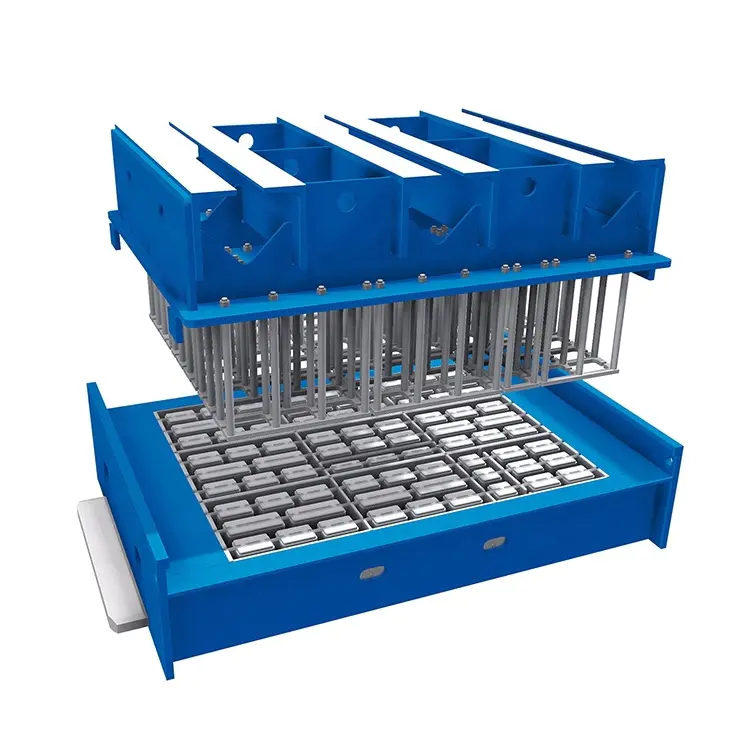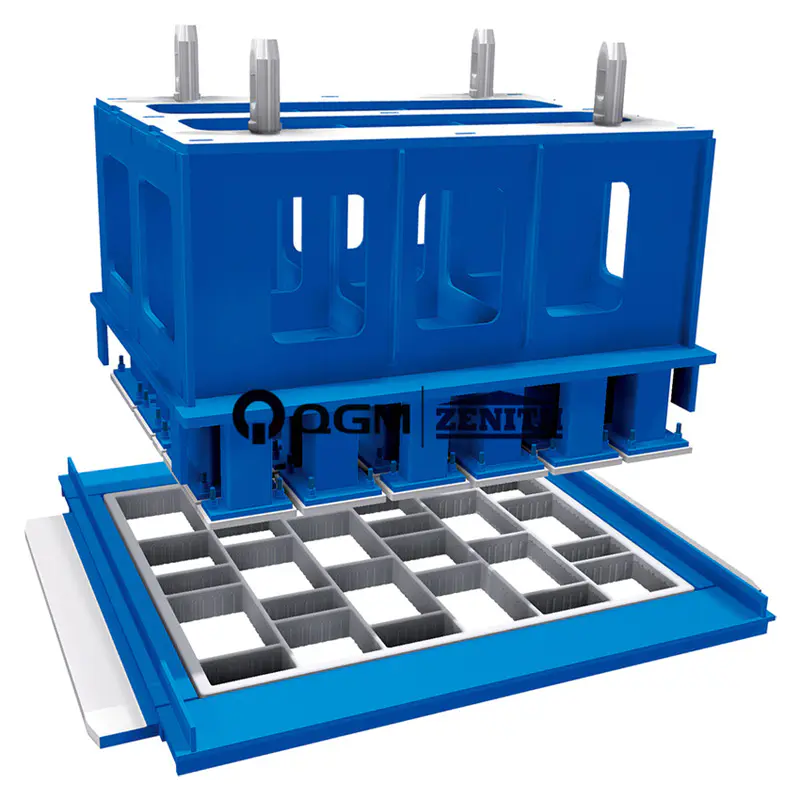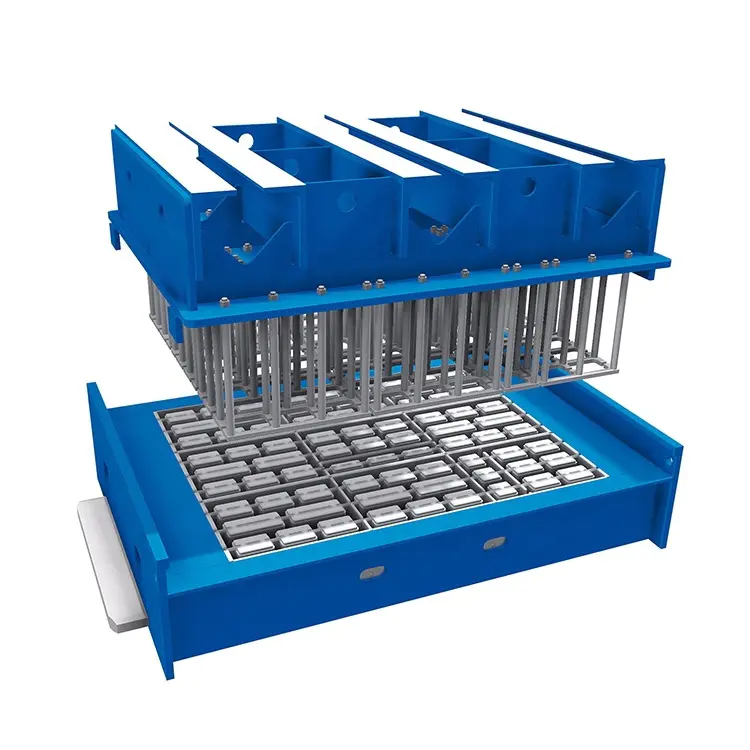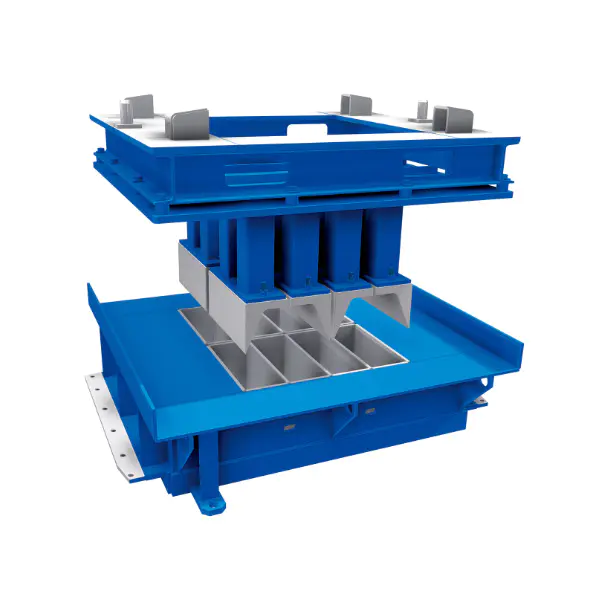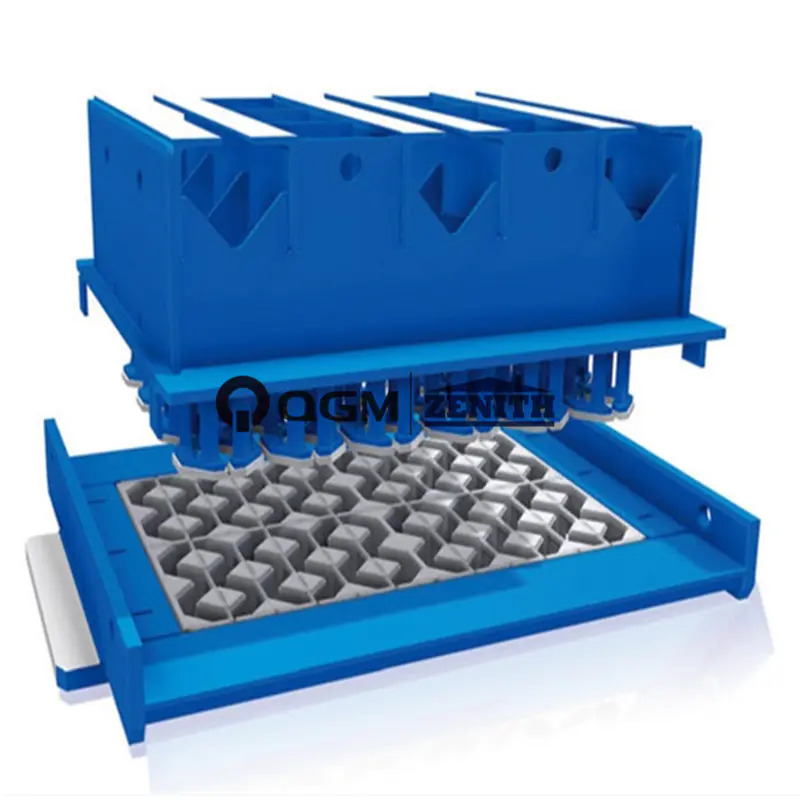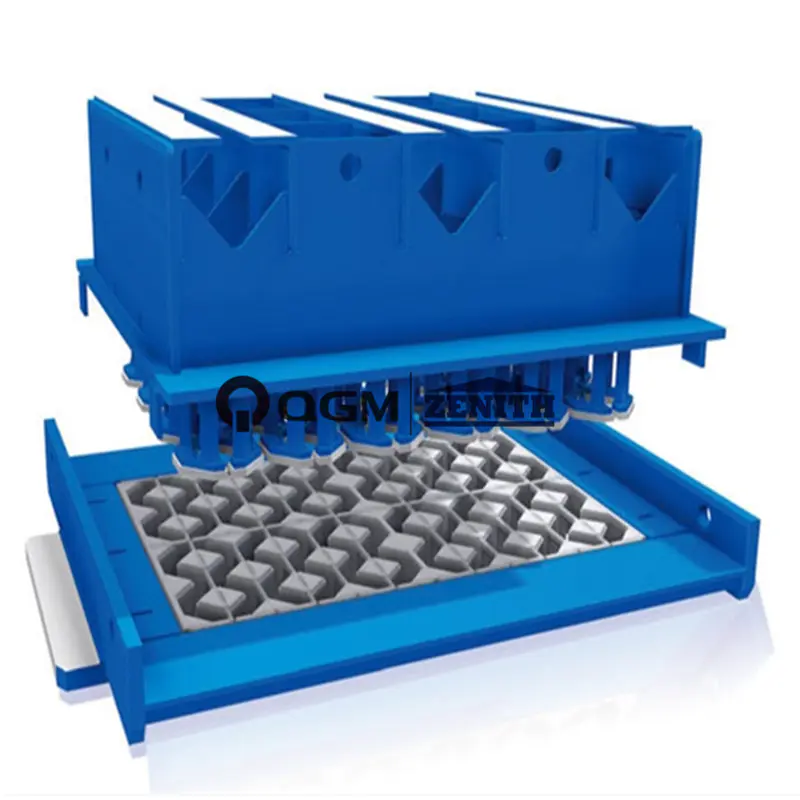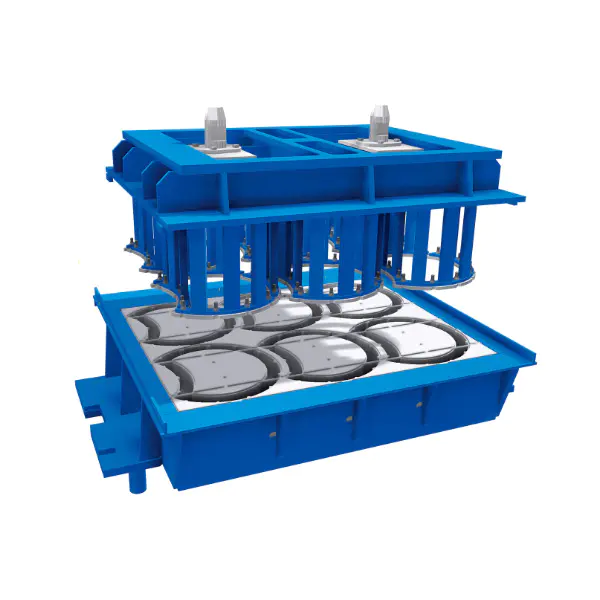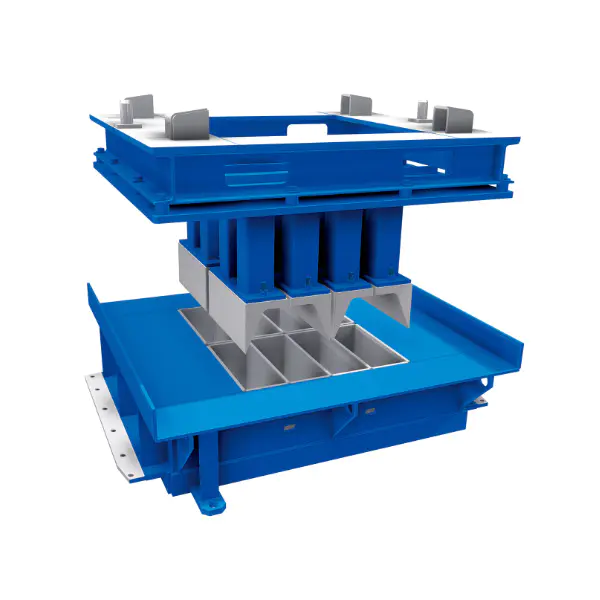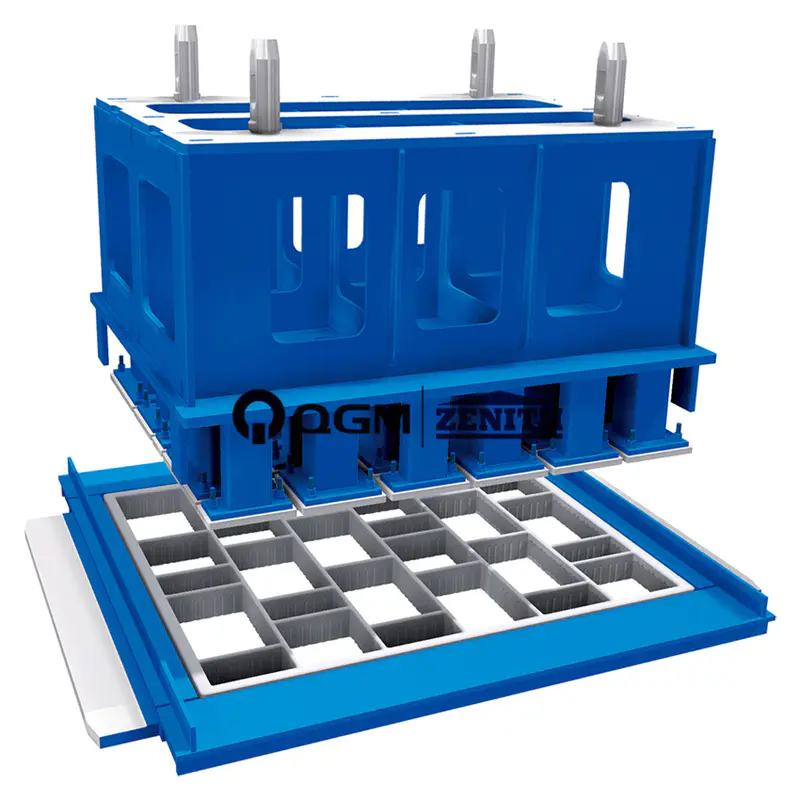

The fly ash machine stands at the forefront of modern construction technology, engineered to transform industrial waste into durable building materials. This advanced system is purpose-built for fly ash bricks manufacturing, offering a high-performance solution that integrates seamlessly into any production line. Functioning as a robust hydraulic brick press, it delivers consistent compaction force to shape uniform bricks with sharp edges and smooth surfaces. As a comprehensive piece of brick manufacturing equipment, it handles raw material mixing, pressing, and ejection in a streamlined cycle. While it shares certain principles with an earth brick making machine, its design is optimized for fly ash blends, making it uniquely suited for projects that prioritize sustainability without compromising structural integrity. Below are the core technical specifications that define its performance.
| Parameter | Standard Model | Heavy-Duty Model | Automatic Model |
|---|---|---|---|
| Pressing Force | 80 tons | 120 tons | 150 tons |
| Cycle Time | 15 seconds | 12 seconds | 10 seconds |
| Production Capacity | 1,200 bricks/hour | 1,800 bricks/hour | 2,500 bricks/hour |
| Power Requirement | 7.5 kW | 11 kW | 15 kW |
| Hydraulic System Pressure | 21 MPa | 25 MPa | 28 MPa |
| Mold Options | 4 cavities | 6 cavities | 8 cavities |
These machines are built with a heavy-duty steel frame and precision-machined cylinders to ensure years of reliable service. The hydraulic circuit incorporates load-sensing technology that adjusts flow based on demand, reducing energy consumption by up to 20%. All models accept a wide range of mold configurations, enabling production of solid bricks, hollow blocks, and paving stones from the same platform. Automated lubrication points and centralized grease banks minimize maintenance downtime. The control panel features an intuitive HMI with real-time monitoring of pressure curves and stroke counts, allowing operators to fine-tune parameters for different mix designs. Safety interlocks on the compression zone meet international ISO 13849 standards, and the powder dust extraction hood keeps the workspace clean. For large-scale operations, the automatic model integrates a pallet feeder and brick stacking conveyor, forming a complete end-to-end production cell.
The fly ash machine is more than a press—it is a fully integrated manufacturing module designed for continuous high-output operation. At its core, a dual-acting hydraulic ram provides both the pre-compression and main pressing strokes, which eliminates air pockets and ensures uniform density throughout each brick. The material feeding system uses a volumetric screw conveyor that precisely doses fly ash, cement, sand, and additives, maintaining a consistent mix ratio batch after batch. A vibratory hopper with adjustable amplitude prevents bridging of dry powders and guarantees complete mold filling during every cycle. Temperature sensors embedded in the hydraulic tank and bearings trigger cooling fans automatically, protecting critical components during extended shifts. The machine’s modular construction allows rapid replacement of wear items such as mold liners and ram seals without dismantling major assemblies. Oil filtration is handled by a dual-circuit kidney loop that maintains ISO 4406 cleanliness code 17/15/12, extending fluid life and reducing service intervals.
Material usage is optimized through a regrind return loop: edge trimmings and rejected green bricks are fed back to the mixer hopper, cutting raw material waste to below 2%. The fly ash machine’s structural base is damped with rubber-metal isolators to eliminate vibration transfer to the factory floor, preserving adjacent precision equipment. Electrical safety features include phase sequence protection, earth leakage detection, and emergency stop circuits with dual-channel redundancy. For remote diagnostics, the controller supports OPC-UA communication, allowing plant engineers to view live status from any web browser. This level of connectivity also enables integration with batching plants and downstream packaging lines for fully automated factories. The robust design, backed by a global supply chain of field-replaceable parts, ensures that the fly ash machine remains the centerpiece of any modern brick production facility, delivering output that meets both commercial tempo and environmental targets.