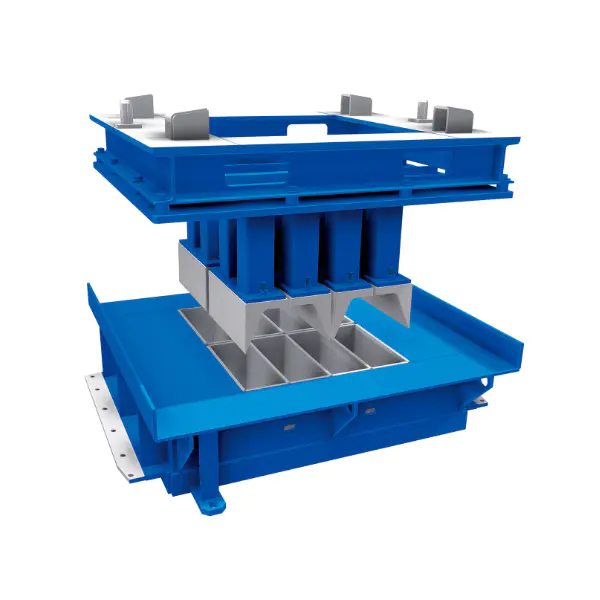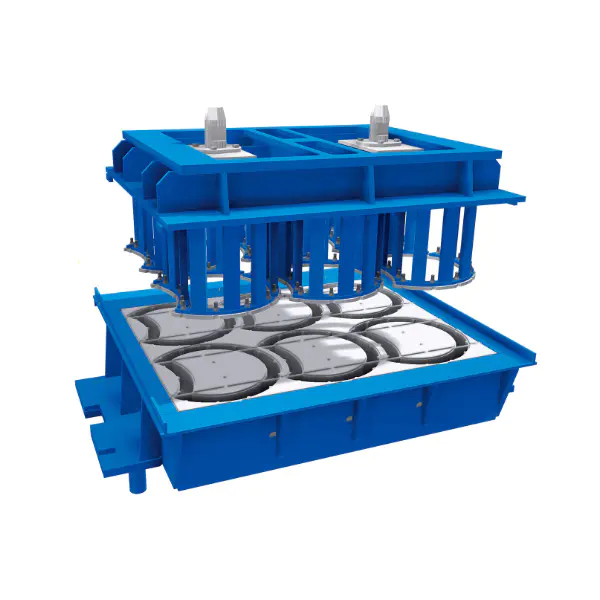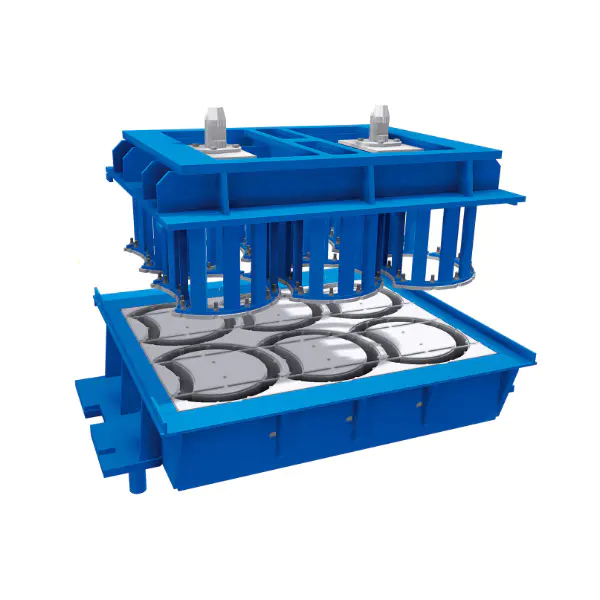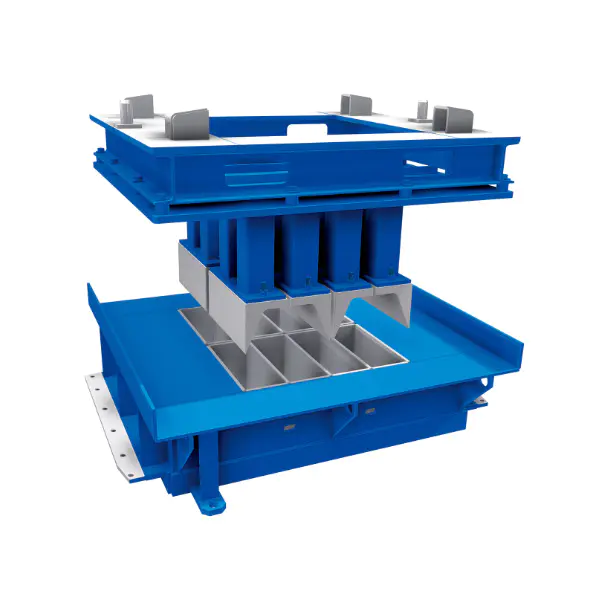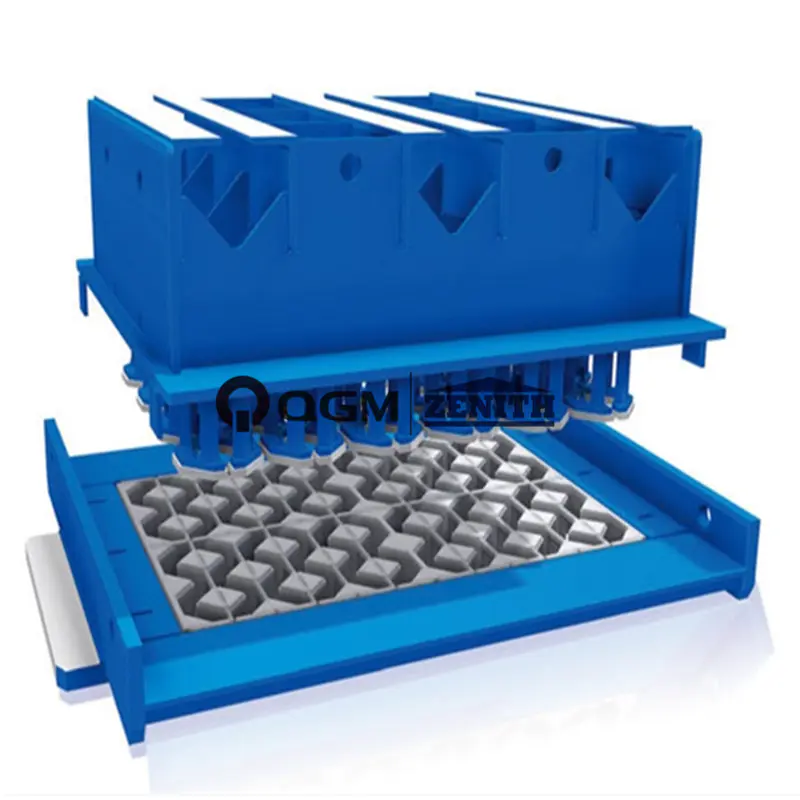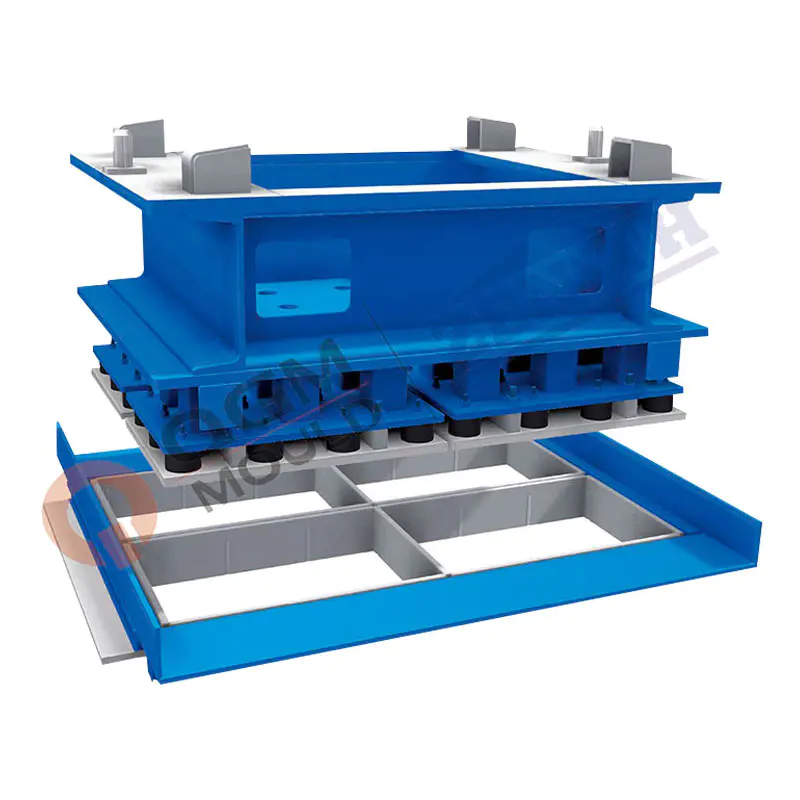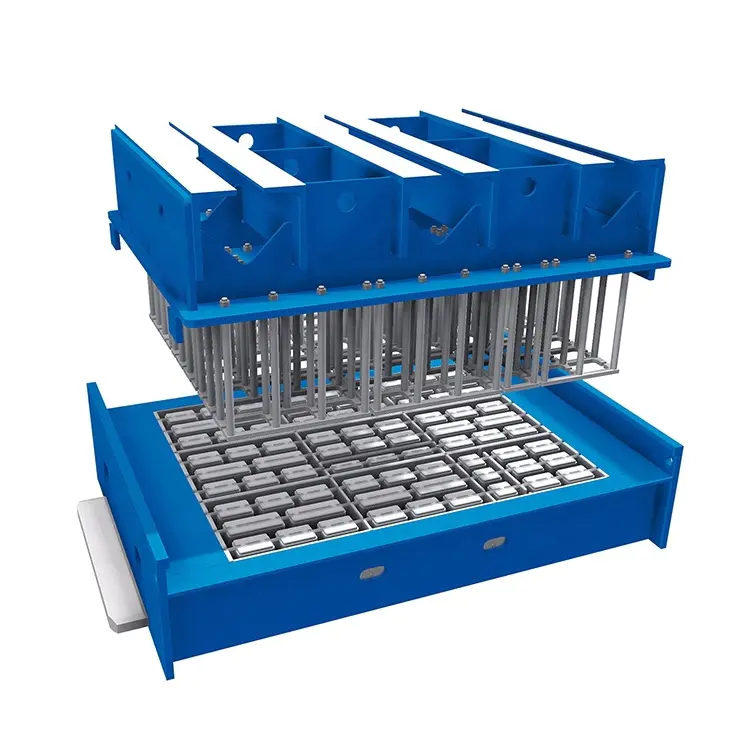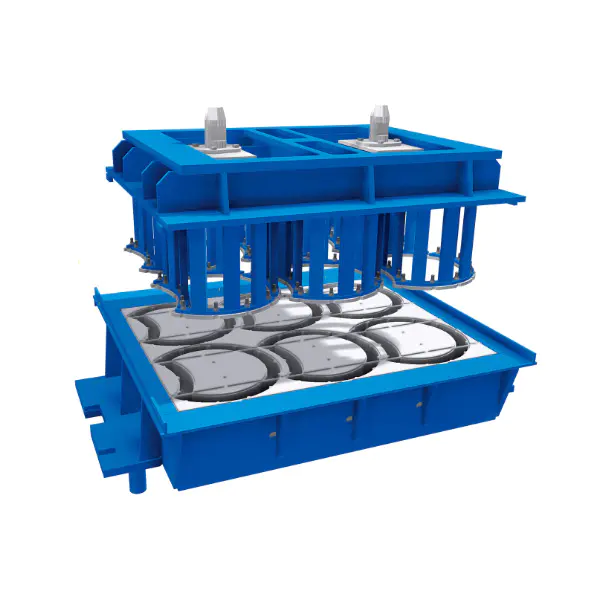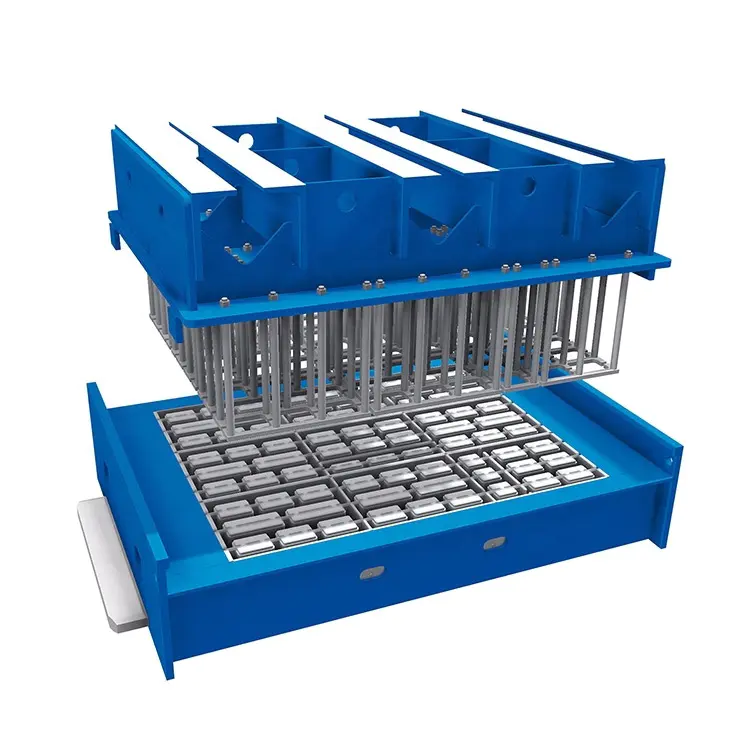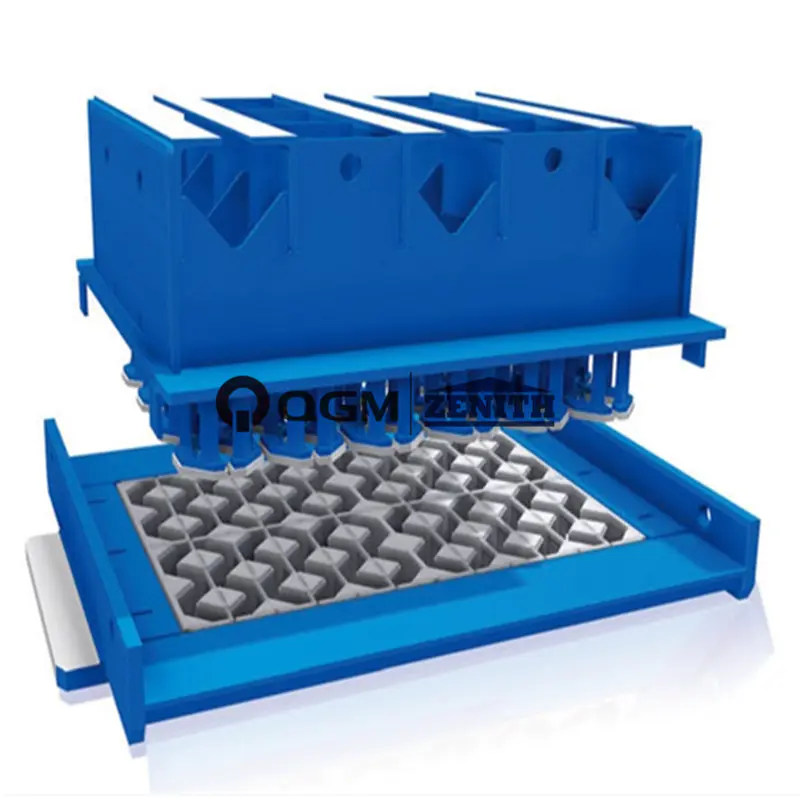

Our hydraulic brick press stands as a cornerstone in modern fly ash bricks manufacturing, delivering unmatched compaction force and cycle speed for high-output production lines. Engineered as a premier piece of brick manufacturing equipment, the machine transforms raw materials into dense, dimensionally precise bricks with minimal energy consumption. Its versatility extends to soil-based applications, rivaling dedicated earth brick making machine models by easily handling clay, laterite, and other earthy compounds. For plants seeking a reliable brick press machine for sale, this hydraulic solution integrates seamlessly into existing workflows, offering robust construction and automated controls that reduce labor overhead while maintaining consistent brick quality.
The hydraulic brick press incorporates a heavy-duty steel frame and a dual-acting hydraulic cylinder system, ensuring uniform pressure distribution across the entire mold area. It supports multiple mold configurations, allowing manufacturers to produce solid bricks, hollow blocks, interlocking pavers, and curb stones without significant retooling downtime. Each press cycle is driven by a high-efficiency powerpack with variable displacement pump, which adapts oil flow to demand, lowering heat buildup and extending hydraulic component life. Safety interlocks, emergency stops, and pressure relief valves come as standard, complying with international machine safety directives. Below is a detailed breakdown of core specifications and performance benchmarks.
| Parameter | Value |
|---|---|
| Overall dimensions (L×W×H) | 3,900 × 2,200 × 2,850 mm |
| Total machine weight | 8,500 kg |
| Installed power | 22 kW main motor, 3 kW vibration motor |
| Max brick size | 400 × 200 × 150 mm |
| Min brick size | 190 × 90 × 90 mm |
| Pressing head travel | 300 mm |
| Ejection stroke | 180 mm |
| Oil type required | ISO VG 46 anti-wear hydraulic oil |
| Noise insulation | Soundproof enclosure panels (optional) |
The hydraulic brick press achieves consistent product density by monitoring ram position and pressure feedback in real time, adjusting valve response within milliseconds to compensate for material inconsistencies. Its modular mold carriage accepts single or multi-cavity dies, and quick-change clamps reduce swap-over to under 15 minutes. Maintenance access is designed around detachable side covers and a centralized lubrication bank, serving all pivot points from a single pump station. The machine is also prepared for integration with automatic pallet feeders, brick stackers, and curing conveyors, forming a complete plant solution.