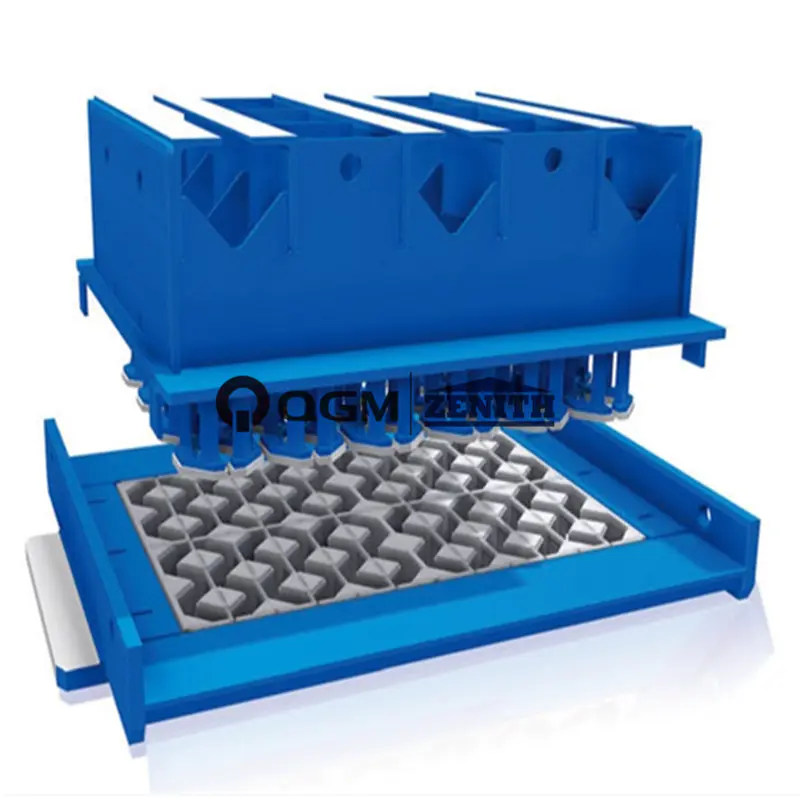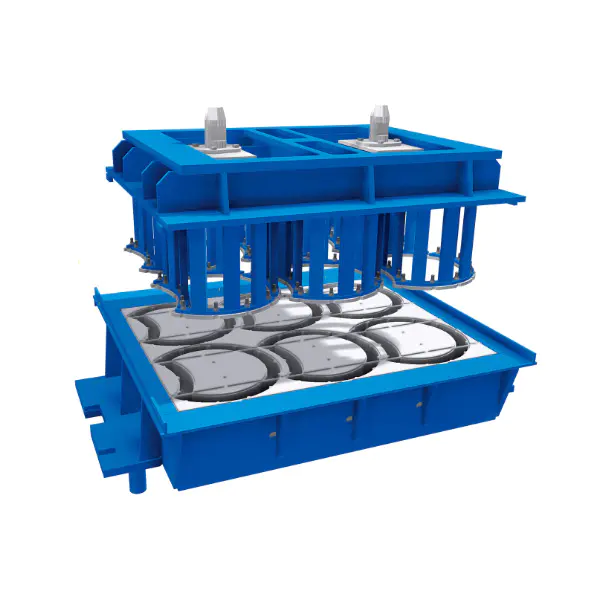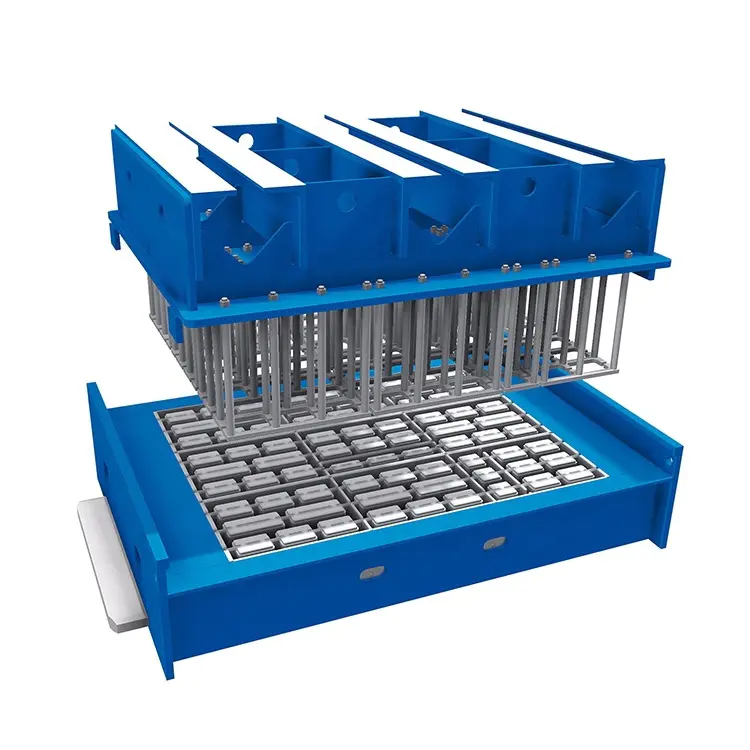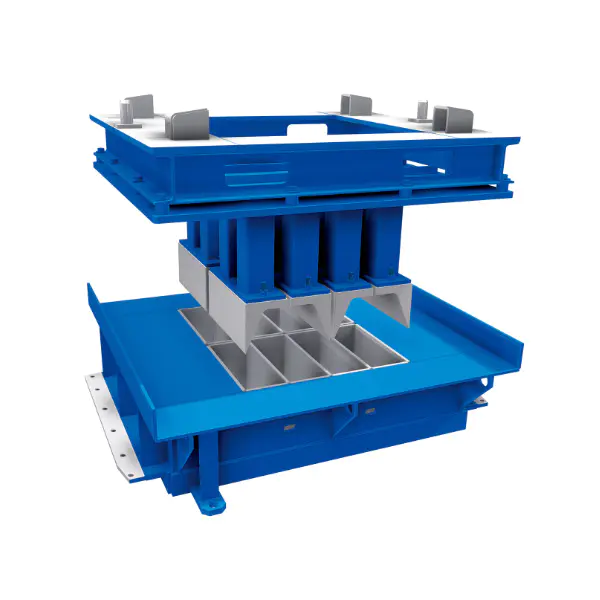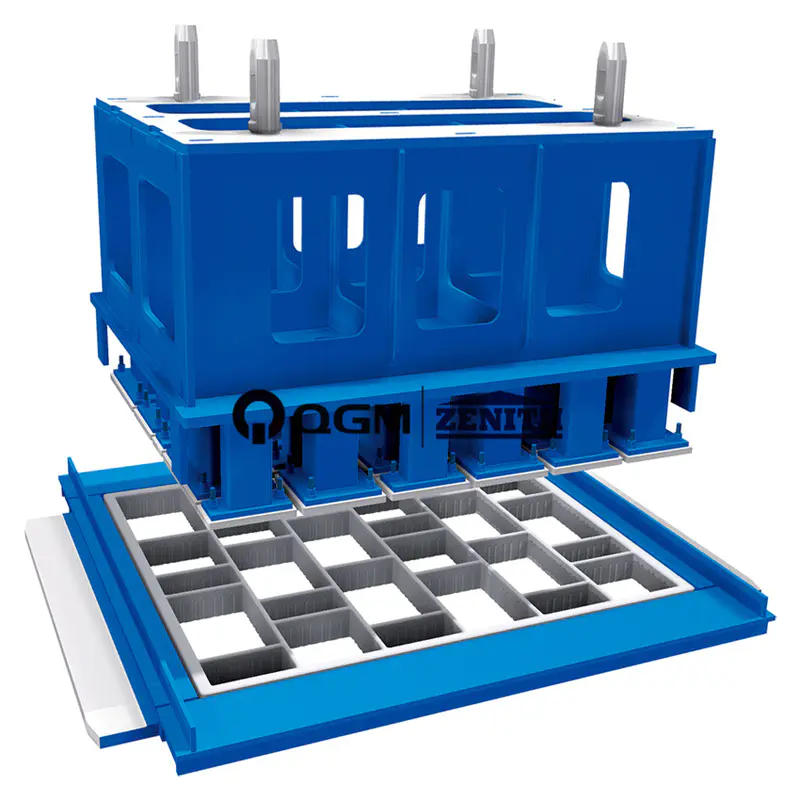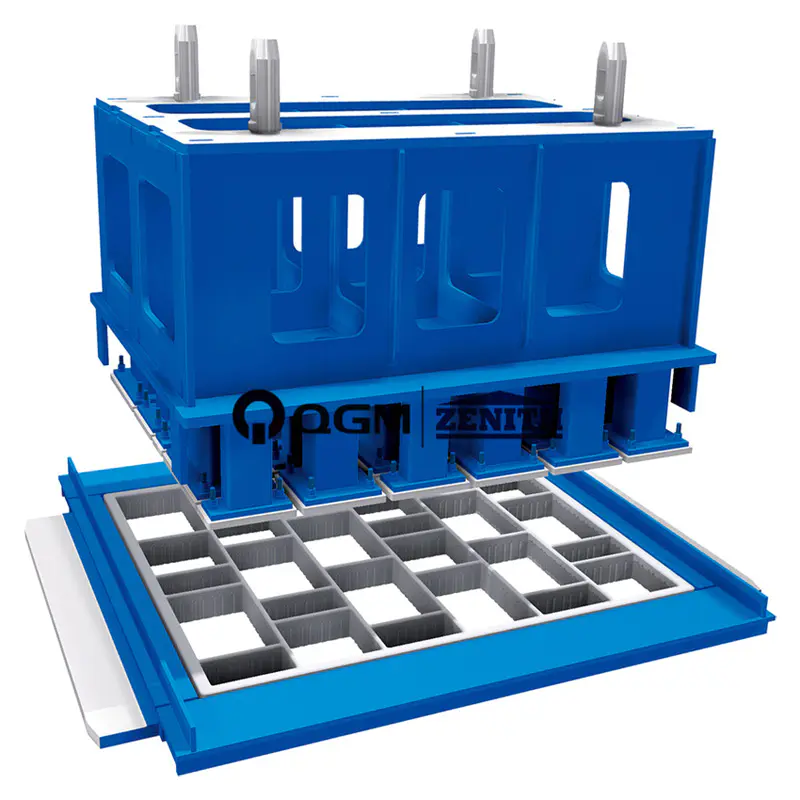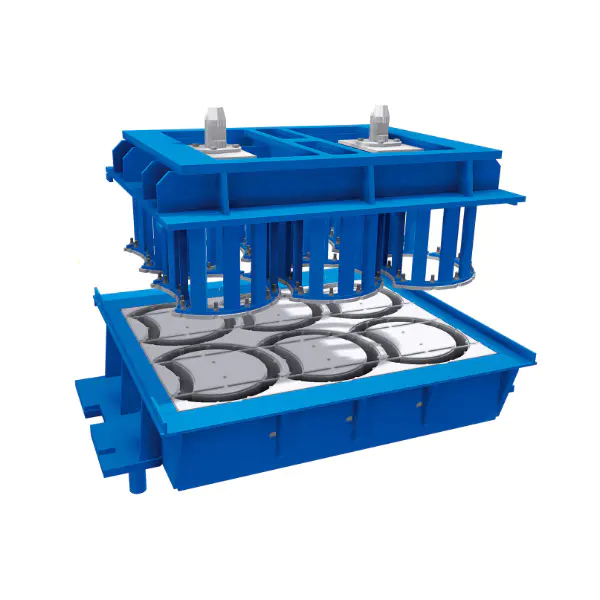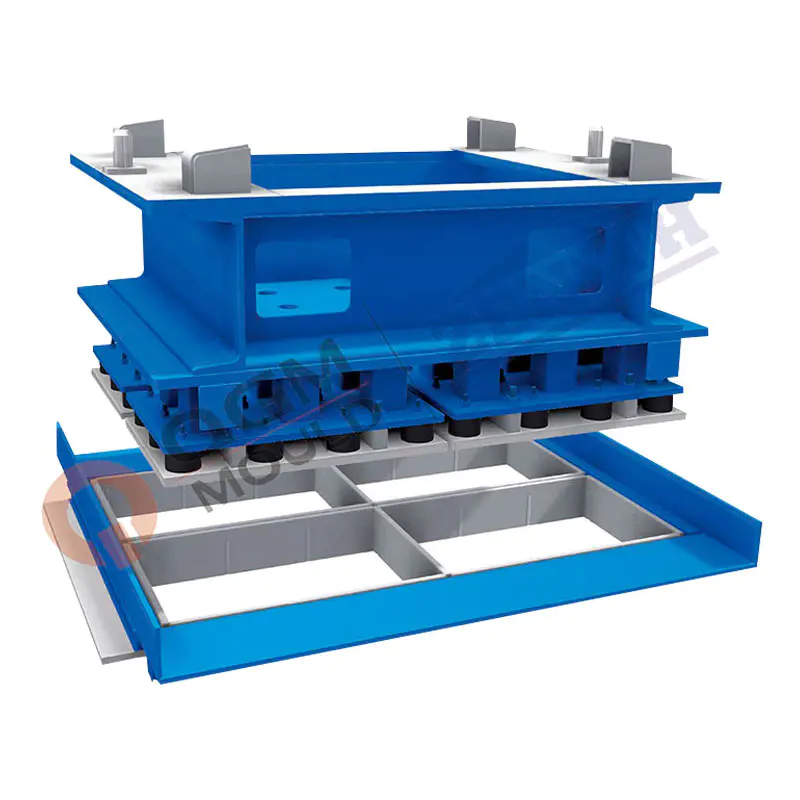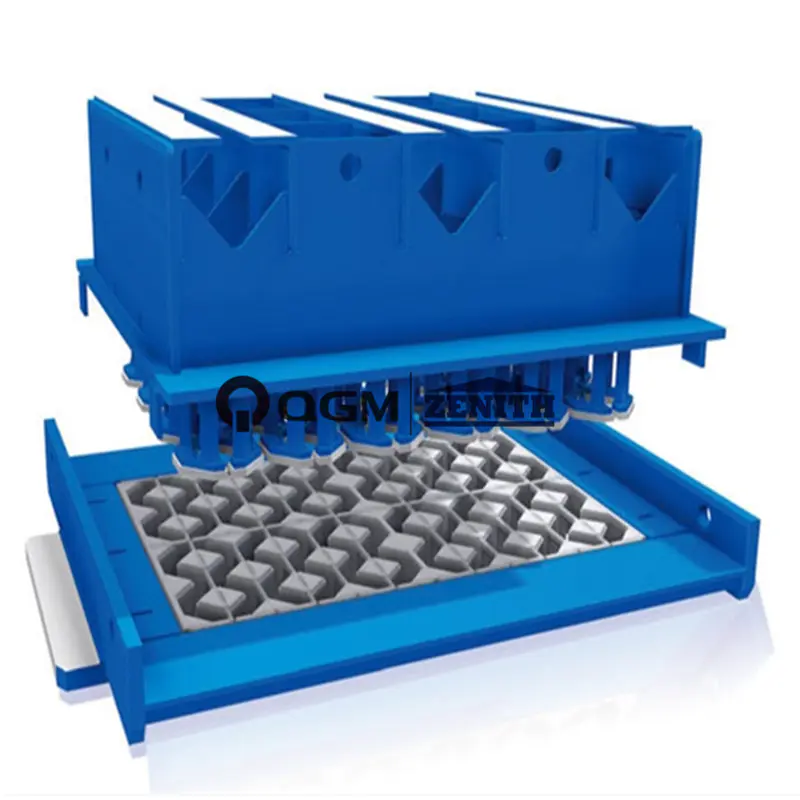

Engineered for high-volume concrete block production, the hollow block mould stands as a cornerstone in modern construction, enabling the efficient creation of uniform hollow concrete blocks used in residential, commercial, and industrial buildings. Our moulds are fabricated using advanced CNC machining centers and high-grade Q345B alloy steel, delivering exceptional dimensional accuracy down to ±0.2mm and outstanding wear resistance. The heat treatment process reaches HRC 50-55 on all wear surfaces, ensuring a prolonged service life even in abrasive environments. To support a complete masonry solution, our range extends beyond this core product. Customers also rely on our precisely crafted brick mould for clay and concrete bricks, the brick mold for specialized interlocking paver systems, the robust block mould for solid concrete blocks, and a highly configurable block mold designed for lightweight aggregate mixes. Every mould is subjected to rigorous 3D coordinate measuring machine (CMM) checks and dynamic vibration tests to verify structural integrity before leaving our factory.
The Hollow Block Mould is built with a modular design that allows rapid changing of core bars and side liners without welding, significantly reducing downtime during production shifts. Its thick-walled frame, reinforced with ribbed side plates, and hardened wear inserts resist deformation even under intense 90Hz vibration and compaction pressures up to 150 kN. This robust construction results in blocks with clean, sharp edges and uniform dimensions, crucial for structural integrity in load-bearing walls. Additionally, the mould incorporates a precision-aligned guiding system that ensures the upper and lower halves mate perfectly, eliminating flash and maintaining consistent block height across batches.
Key Technical Parameters
To match diverse block machine types and production requirements, we offer a comprehensive range of hollow block mould configurations. The engineering behind each model emphasizes longevity, exact block geometry, and seamless integration into automated systems. Below are the primary specifications that define our moulds’ performance and compatibility.
Standard Hollow Block Mould Specifications
The table below presents our most popular standard hollow block mould models. Each configuration can be fully tailored to specific block dimensions, steel thickness, and cavity count to match unique production demands.
| Mould Model | Block Size (L×W×H mm) | Cavities | Mould Weight (kg) | Side Plate Thickness (mm) | Typical Output (blocks/min) |
|---|---|---|---|---|---|
| HBM-390-4 | 390×190×190 | 4 | 45 | 10 | 6-8 |
| HBM-390-5 | 390×190×140 | 5 | 50 | 10 | 8-10 |
| HBM-440-4 | 440×215×215 | 4 | 58 | 12 | 5-7 |
| HBM-300-6 | 300×150×150 | 6 | 40 | 8 | 10-12 |
| HBM-400-3 | 400×200×200 | 3 | 55 | 14 | 5-6 |
Every hollow block mould undergoes a comprehensive quality control protocol before shipment. Dimensional accuracy is verified with laser interferometers, and hardness testing is conducted on all wearing components. A trial pressing with zero-slump concrete is performed on a sample mould from each batch to confirm seamless block ejection and surface finish. This rigorous procedure consistently maintains our defect rate below 0.3%.
Proper maintenance enhances the longevity and precision of the Hollow Block Mould. After each production cycle, we recommend cleaning all contact surfaces with a plastic scraper and applying a diluted release agent. Storage in a dry, covered environment prevents surface rust. For export, each mould is wrapped in anti-corrosion VCI paper and packed in a reinforced plywood crate. Our engineering team can modify any of the above models to produce interlocking blocks, half blocks, or special architectural shapes. We also offer refurbishment services for worn moulds, replacing cores and liners to extend their working life.