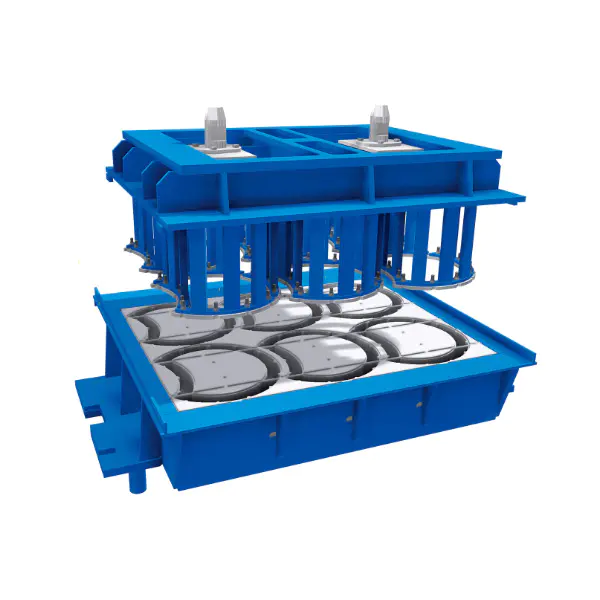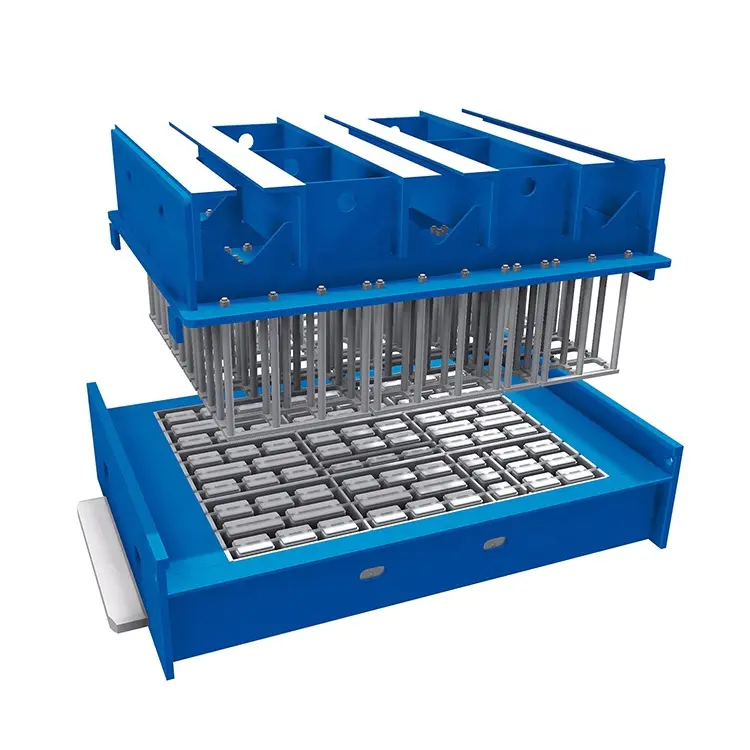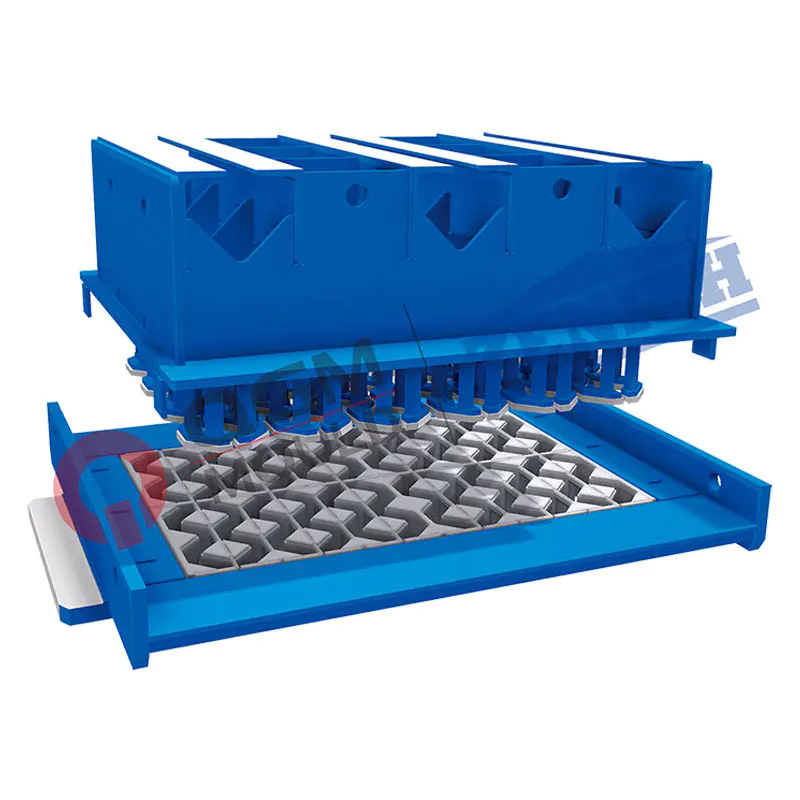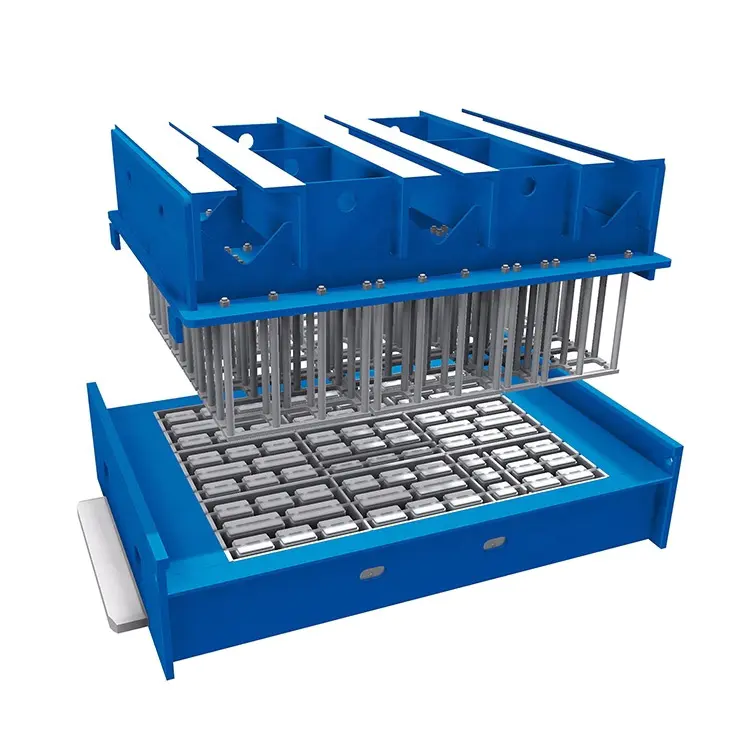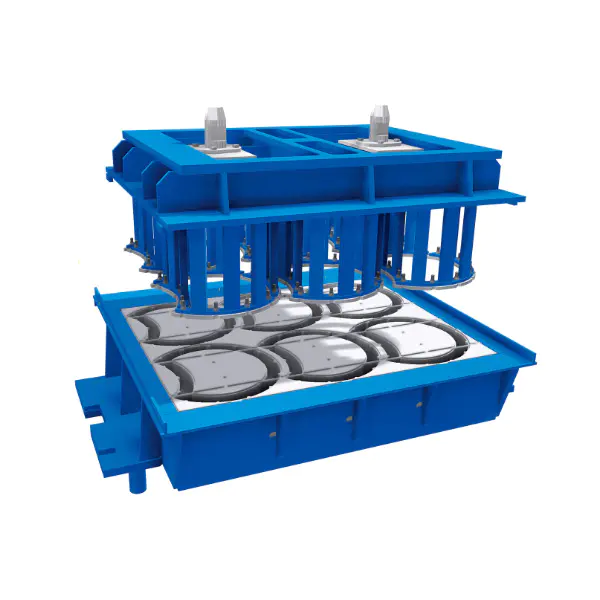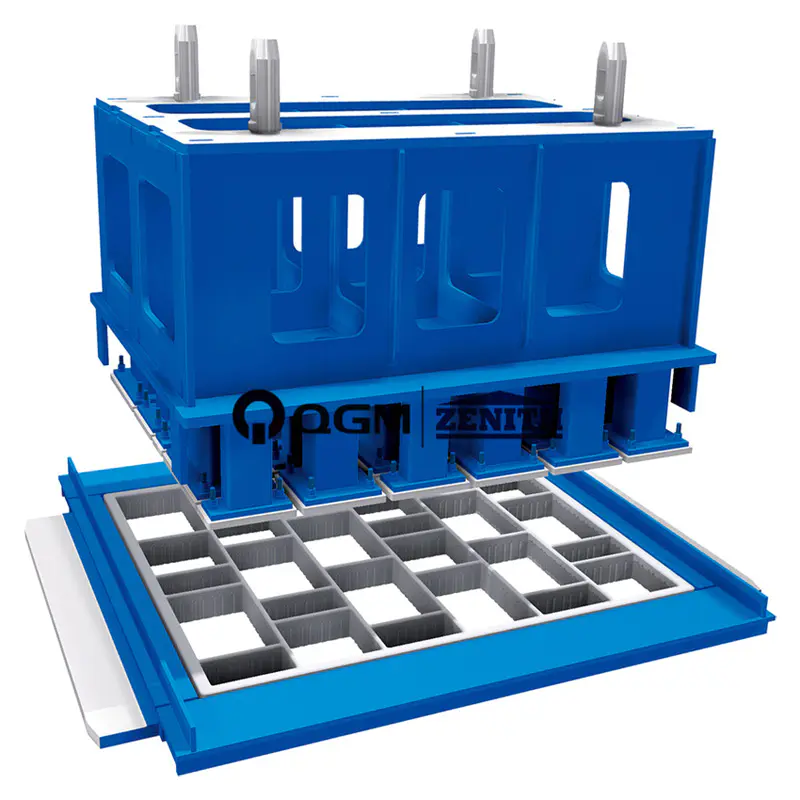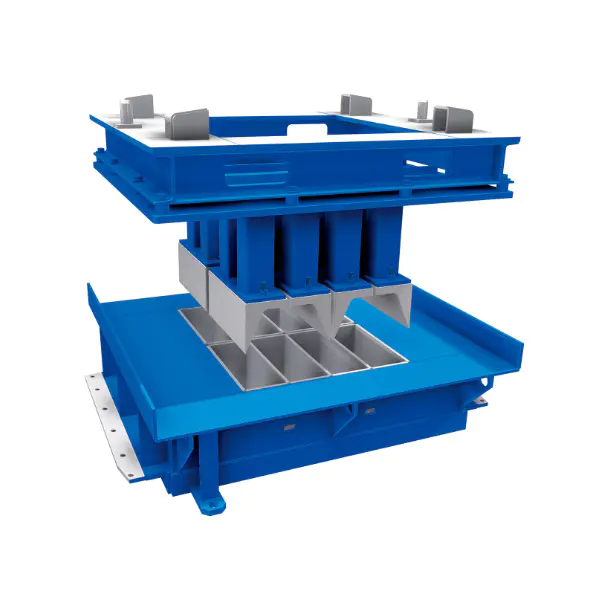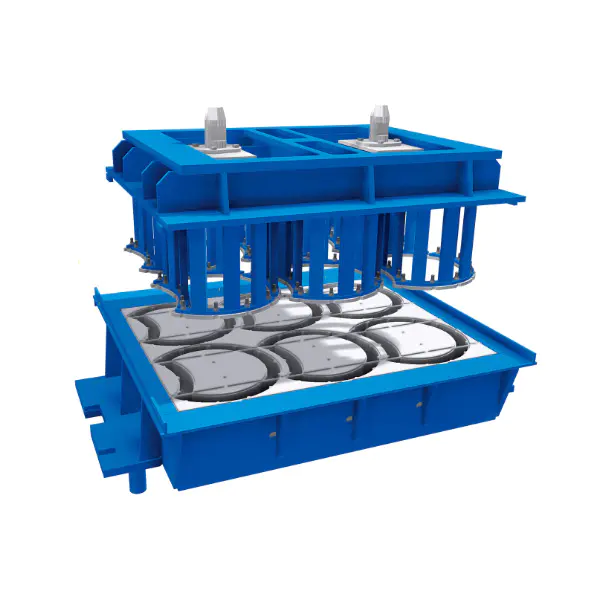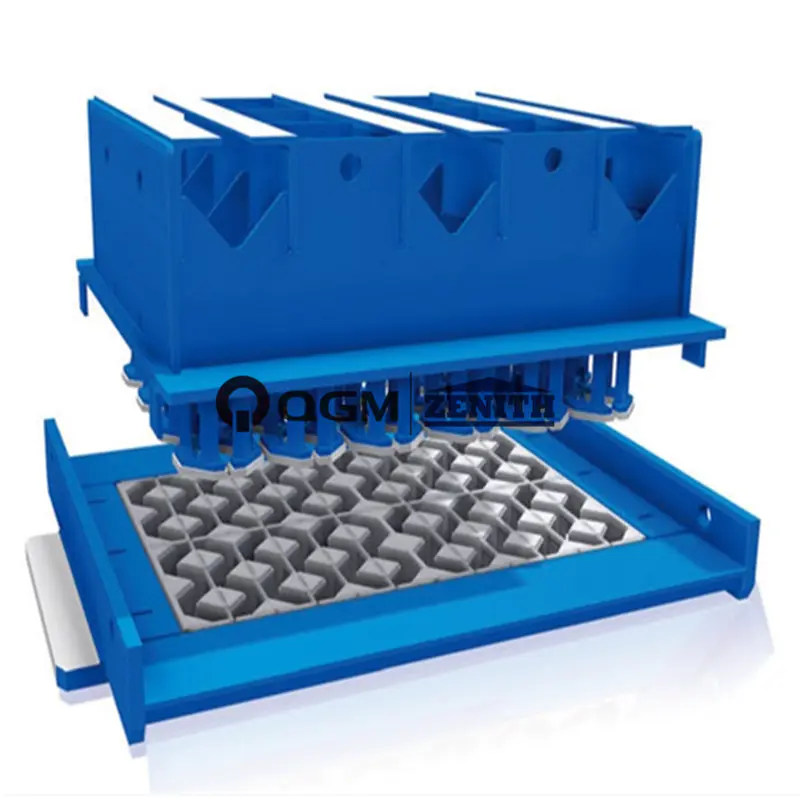

Precision-engineered wall block molds form the backbone of any efficient concrete block production line. For contractors and manufacturers seeking versatile solutions, our range includes the Concrete Hollow Block Mould, which is ideal for creating lightweight, interlocking structures that reduce material cost without sacrificing strength. European projects often demand compliance with rigorous standards, and our beton block moulds deliver consistent dimensional accuracy and long service life under high-frequency vibration. Landscape architects and civil engineers can explore our concrete retaining wall molds for sale, designed for decorative and functional applications such as garden terraces, slope stabilization, and noise barriers. When the job demands heavier load-bearing capacity, the concrete retaining wall block molds for sale offer a reinforced design that produces massive, gravity-style blocks suitable for highway embankments and commercial retaining walls. Every mold is built with abrasion-resistant steel plates, heat-treated wear parts, and modular frame assemblies that allow quick changeovers between block profiles.
The wall block molds are constructed to handle the toughest production environments while maintaining tight tolerances across thousands of cycles. Below is a detailed breakdown of the technical parameters that guide selection for your facility. The core material is high-grade Q345B structural steel with a minimum yield strength of 345 MPa, treated through a carburizing and quenching process to achieve a surface hardness of HRC 58-62 on critical wear surfaces. This ensures minimal deformation even under compaction forces exceeding 15 MPa. All welding seams undergo ultrasonic inspection, and frames are stress-relieved in a tempering furnace before final machining.
Key specifications of standard wall block molds:
The product line covers an extensive range of cavity configurations. The table below outlines typical dimensions and capacities for popular wall block styles:
| Model | Block Dimensions (L×W×H) (mm) | Cavities per Mold | Mold Weight (kg) | Pallet Size (mm) | Production Rate (blocks/hour)* |
|---|---|---|---|---|---|
| WW-400-2 | 400×200×200 | 2 | 385 | 950×550 | 240–300 |
| WW-300-3 | 300×150×150 | 3 | 410 | 900×500 | 360–450 |
| WW-500-1 | 500×250×250 | 1 | 495 | 1100×600 | 120–150 |
| WW-200-4 | 200×100×100 | 4 | 345 | 850×450 | 480–600 |
| WW-RW-600 | 600×300×200 (retaining wall) | 1 | 620 | 1200×700 | 100–130 |
*Estimated output based on a 15-second vibration cycle and automated handling; actual rates depend on concrete mix design and curing conditions.
Each wall block mold assembly incorporates interchangeable wear liners made of Hardox 450 or equivalent, extending service intervals beyond 500,000 cycles before liner replacement. The side plates use a floating attachment system that absorbs thermal expansion during steam curing, maintaining dimensional stability. For dry-cast production, the molds are fitted with hardened steel sonotrodes to ensure uniform compaction along the full block height. Optional accessories include automatic spacing forks for multi-cavity stripping and magnetic clamp adapters for robotic handling. All designs can be customized to match specific block plant configurations, such as Masa, Hess, or Columbia machine interfaces, with precise mounting hole patterns and frame dimensions. Detailed CAD drawings are provided before manufacturing, allowing customers to verify integration with existing production lines.]