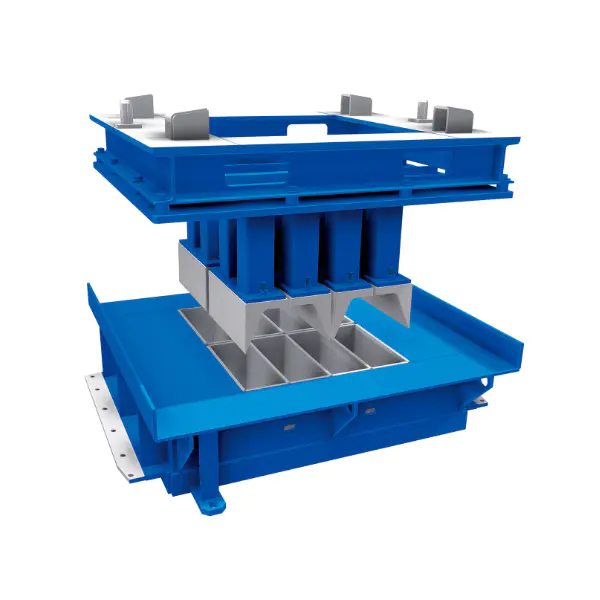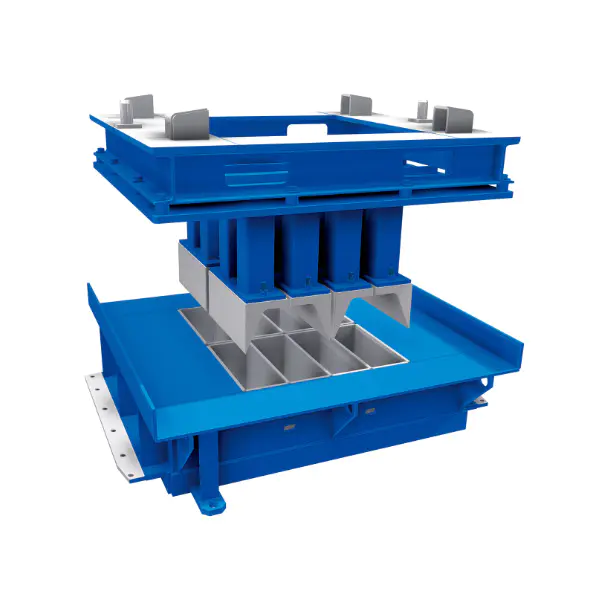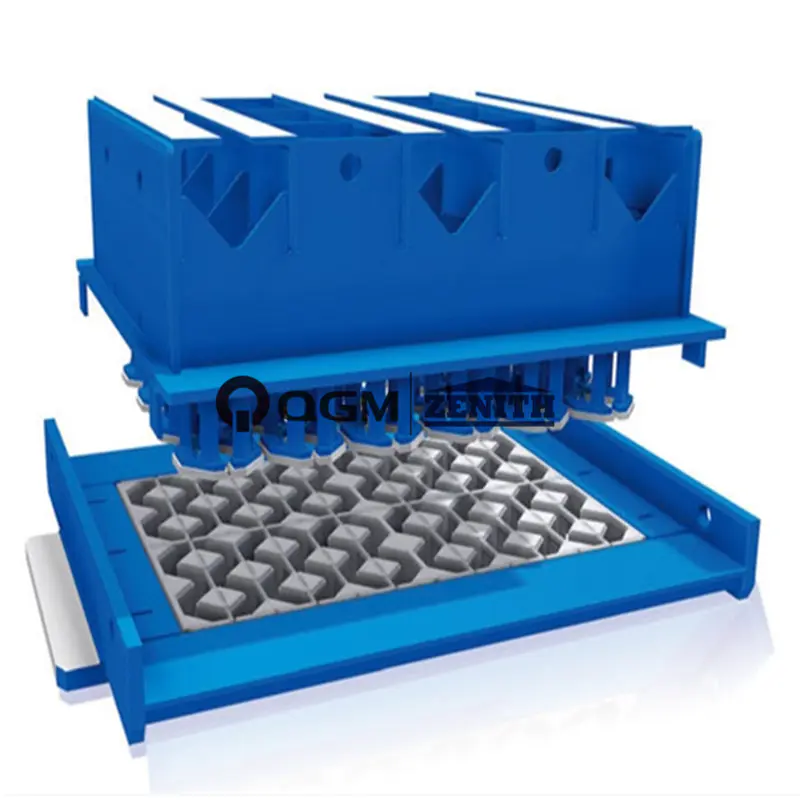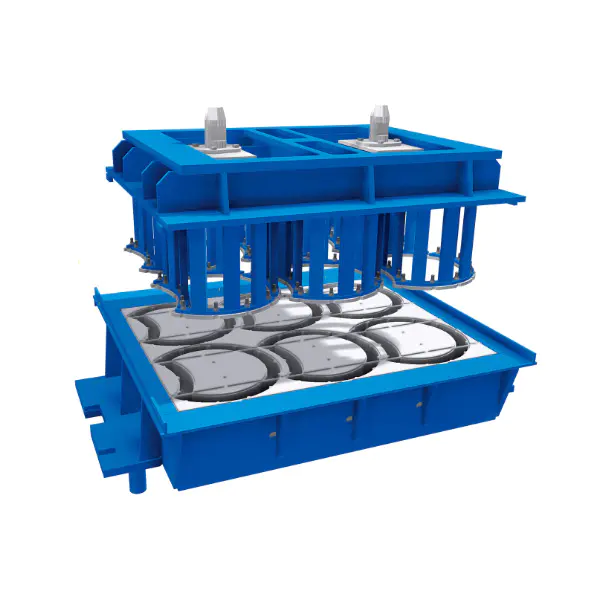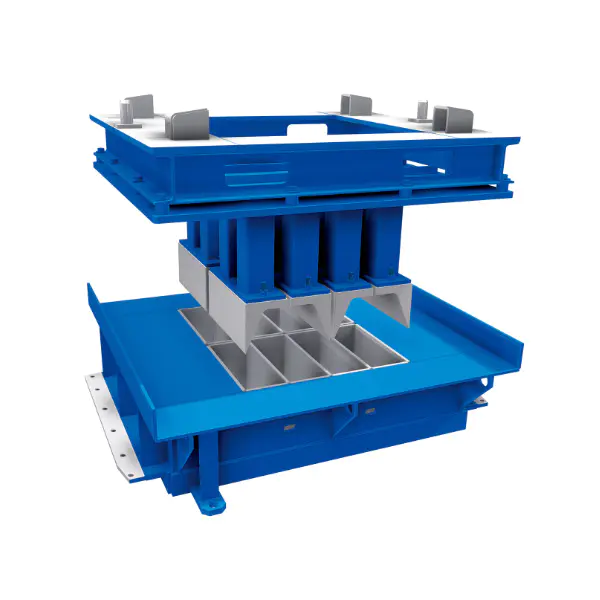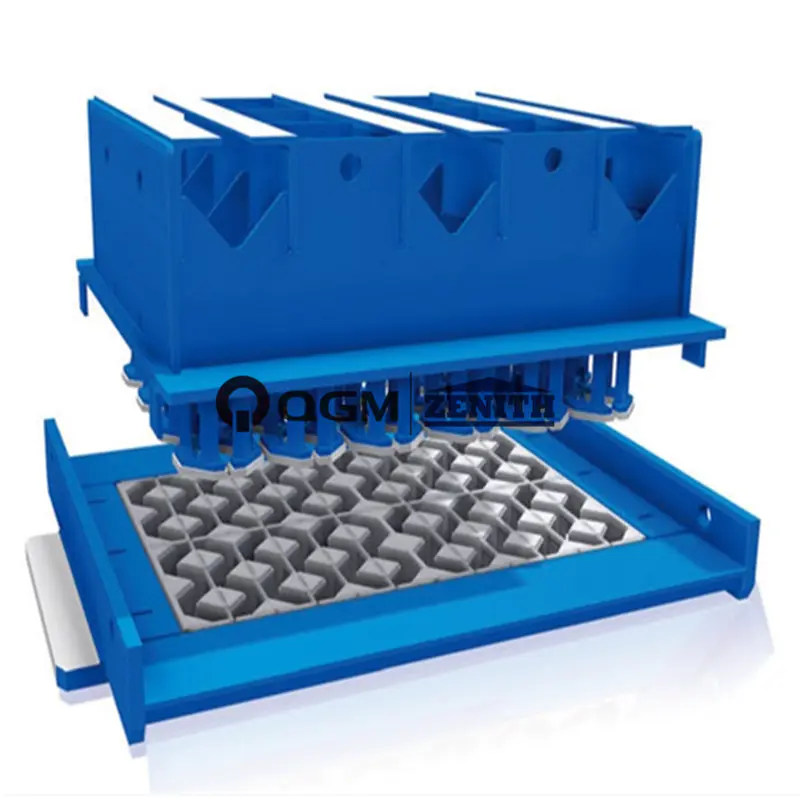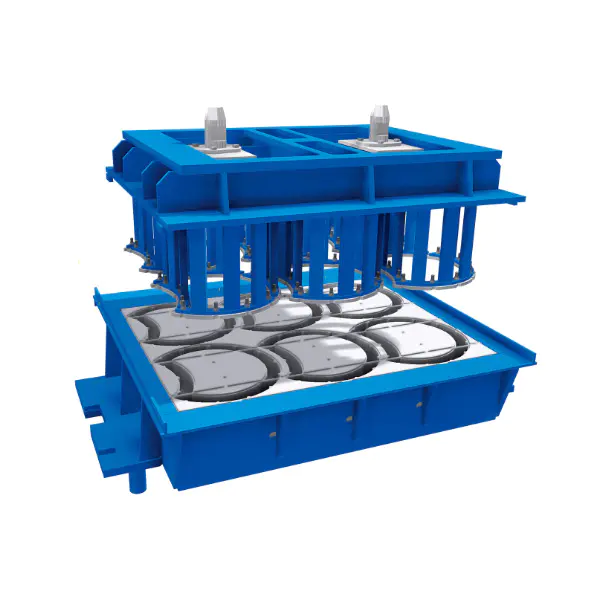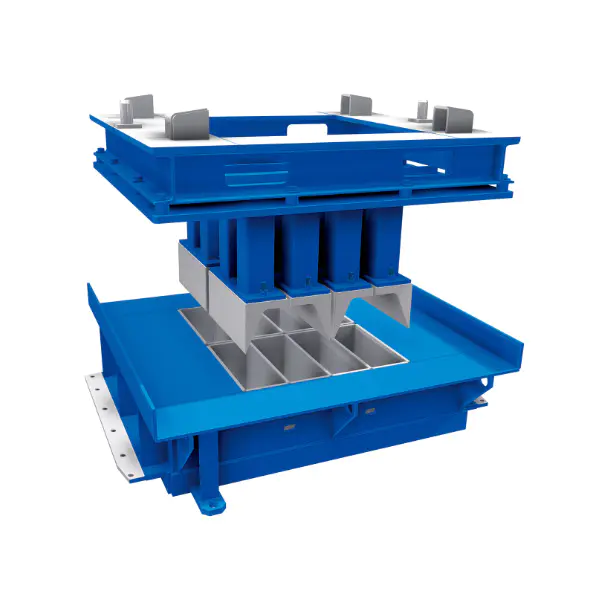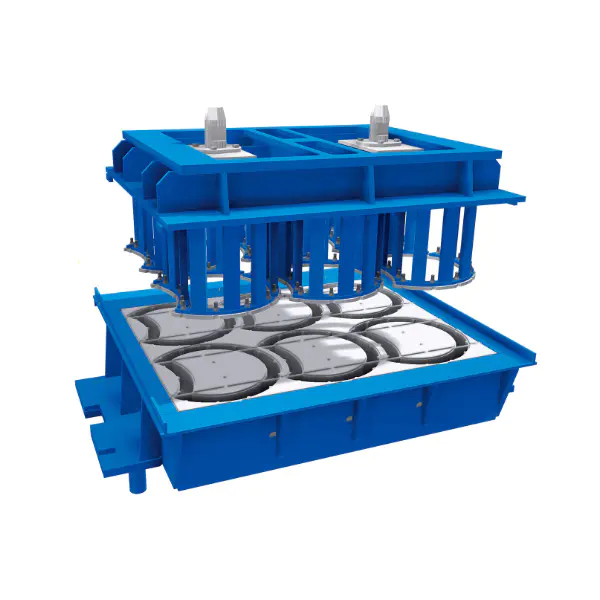

In modern construction, selecting the right brick mould directly influences block consistency, production speed, and long-term profitability. Our precision-engineered brick mold solutions are manufactured from high-grade wear-resistant steel and undergo multi-stage heat treatment to ensure dimensional accuracy even after millions of cycles. For larger structural elements, the interchangeable block mould system delivers superior adaptability across various concrete block machines, while the corresponding block mold series features optimized compaction ratios and reinforced side walls. These moulds support common block formats including hollow blocks, solid bricks, pavers, and curbstones, enabling manufacturers to expand product portfolios with minimal tooling changeover time.
Every <产品名字> undergoes rigorous quality inspection starting from raw material chemical composition analysis to final assembly tolerance verification. The core wearing surfaces are lined with chromium carbide overlay reaching 58–62 HRC, allowing continuous operation in abrasive environments without frequent resurfacing. Precision-ground side plates maintain a parallelism deviation below 0.15 mm, which directly translates to reduced cement consumption and tighter stacking uniformity. Vibration nodes are strategically positioned according to finite element simulation results, ensuring uniform material flow even for complex block geometries with thin web sections.
Key Design Features
Technical Specifications
| Parameter | Brick Mould 140 Series | Block Mould 210 Series |
|---|---|---|
| Mould Material | Q345B / Cr12MoV liners | Q345B / 42CrMo liners |
| Max Cavities | 28 (standard brick) | 12 (400×200×200 mm) |
| Production Rate | 6–12 cycles/min | 4–8 cycles/min |
| Block Height Range | 65–250 mm | 100–300 mm |
| Surface Hardness | HRC 58–62 | HRC 56–60 |
| Dimensional Tolerance | ±0.3 mm | ±0.5 mm |
| Vibration Motor Mounts | 4-point symmetric | 6-point reinforced |
| Weight (approx.) | 450–720 kg | 650–1100 kg |
Each <产品名字> is pre-assembled and tested on a dynamic vibration table before shipment to verify natural frequency alignment with the intended concrete mix. This pre-delivery protocol reduces on-site commissioning time by up to 50% and guarantees that the mould performs within the specified block density range from the very first cycle. Wear parts are individually serialized and documented, enabling predictive replacement scheduling based on actual production counts. With a typical service life exceeding 2 million cycles for standard aggregate mixes, the mould provides a low per-block tooling cost while maintaining dimensional stability through advanced stress-relieving procedures applied at key fabrication stages.