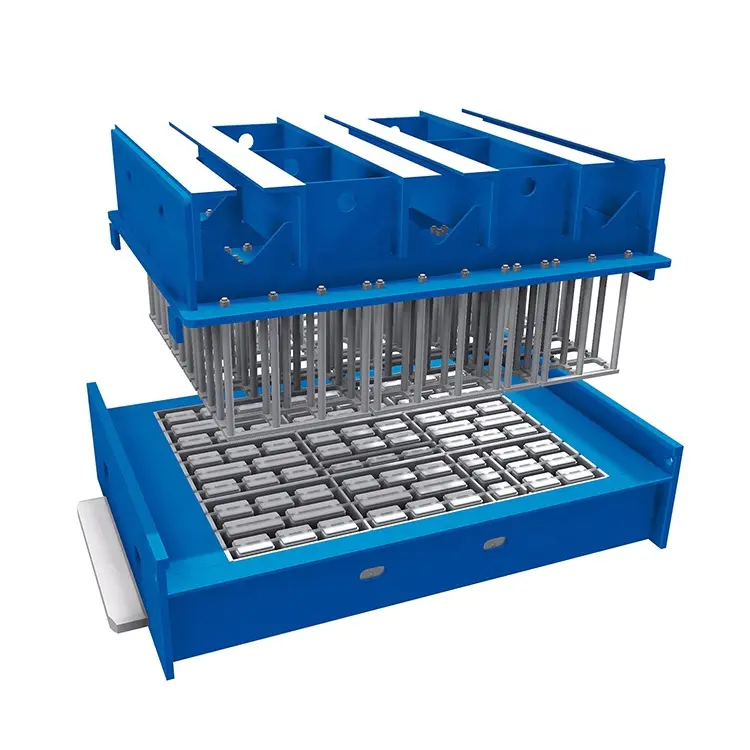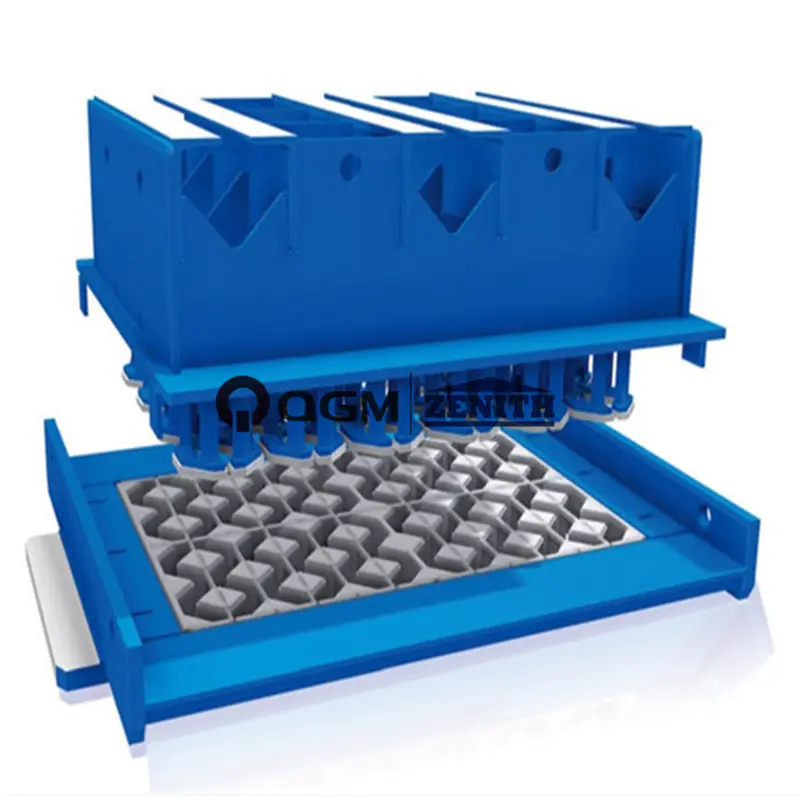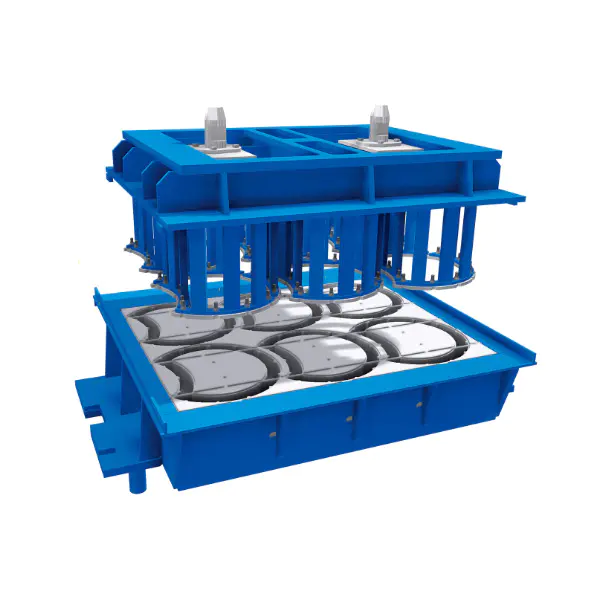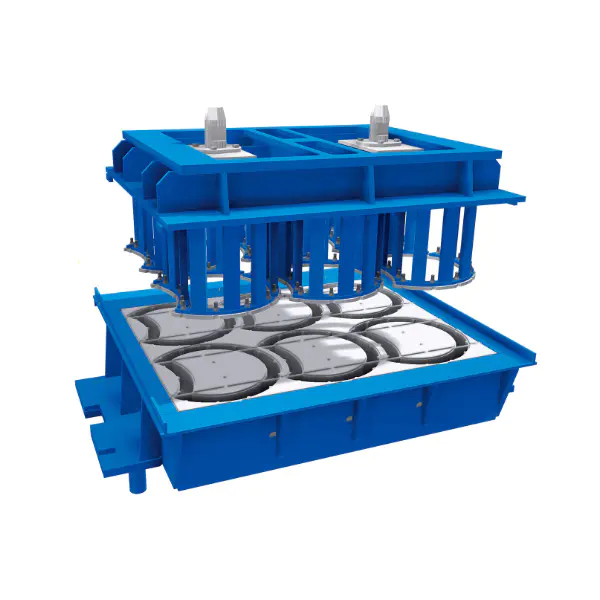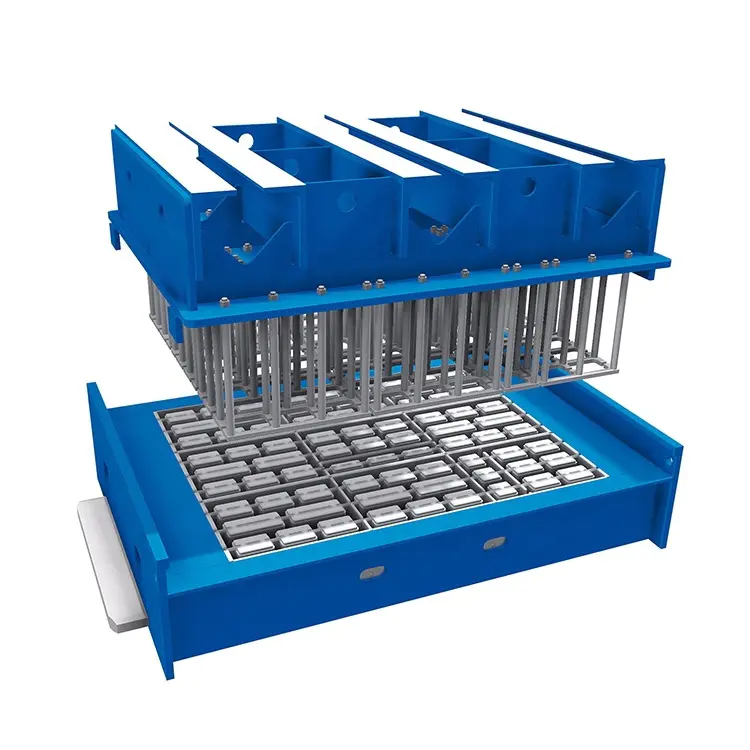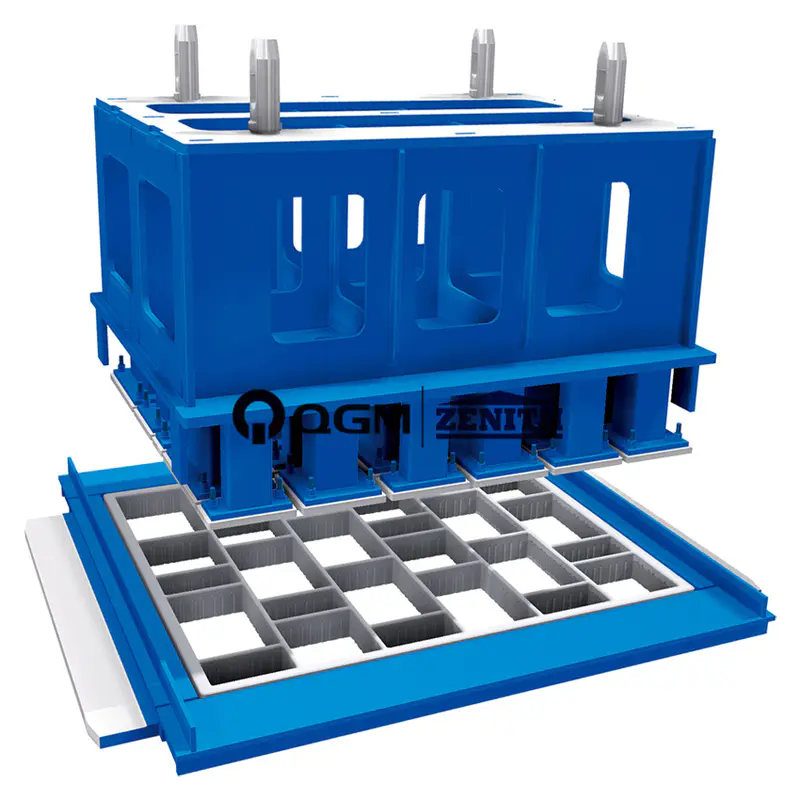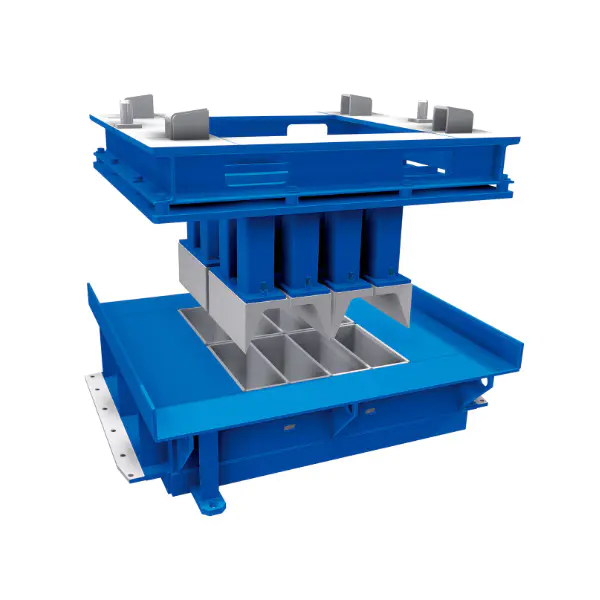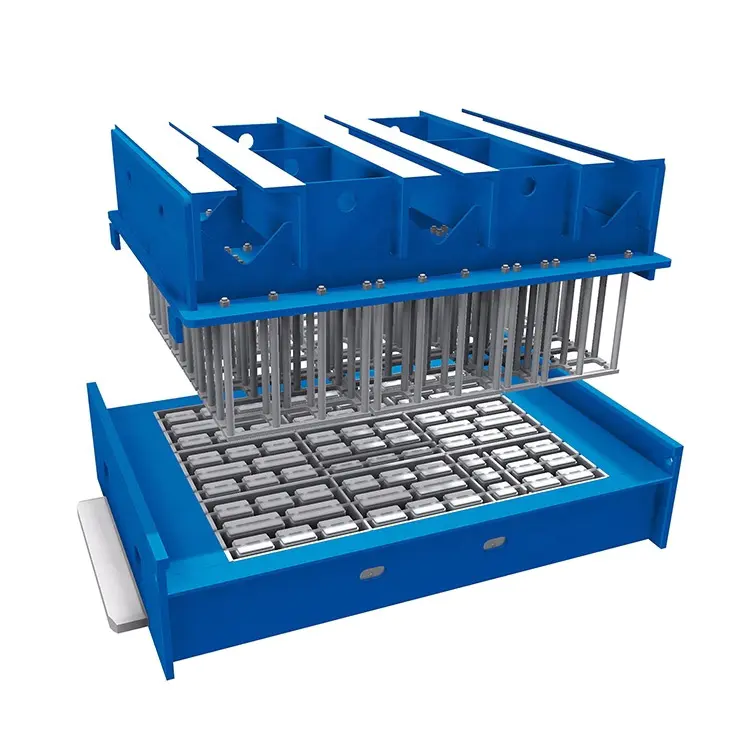

In modern construction, the shift toward sustainable and cost-effective materials has driven strong demand for fly ash bricks. At the heart of this eco-friendly production line is a high-performance brick machine that turns industrial waste into durable building blocks. Unlike traditional clay brick units, our advanced fly ash brick making system operates as a fully automated brick making machine, incorporating a precise mixing, pressing, and curing sequence. This integrated design allows operators to blend fly ash with brick making machine cement and other binders accurately, ensuring uniform density and high compressive strength. For investors looking for a complete solution, our brick making machine for sale comes ready to deploy, supported by end-to-end technical guidance and long-term spare parts availability. The equipment is built around a heavy-duty hydraulic press with PLC controls, capable of producing 4 to 10 bricks per stroke depending on mold configuration. Every cycle is monitored by sensors that maintain consistent material feed, vibration frequency, and compaction force. The structural frame is welded from reinforced steel plates, treated to resist abrasion from fly ash and sand mixtures. Quick-change mold sets further enhance flexibility, letting you switch between solid bricks, hollow blocks, and paver designs without extensive downtime. This robust engineering, coupled with low maintenance costs, positions the machine as a reliable cornerstone for large-scale fly ash brick plants.
The FLY-2400 Automatic Fly Ash Brick Machine exemplifies efficiency in every detail. Raw materials—fly ash, cement, lime, gypsum, and sand—are loaded into a pan mixer integrated with the production line, where water is added to achieve the optimal moisture content. The homogenized mix is then fed into the hydraulic press via a conveyor belt and dosage hopper. Inside the press, a combination of vibration and high pressure (up to 180 tons) forms bricks that emerge with sharp edges and smooth finishes. After demolding, freshly pressed bricks are stacked on curing racks and transferred to a steam or water curing chamber, which accelerates strength development and reduces the waiting period before dispatch. The hydraulic system uses a variable displacement pump, which cuts energy consumption by about 30% compared to fixed-displacement designs, while the automated pallet feeder eliminates manual handling and increases cycle speed. A color pigment dosing unit is available as an option, enabling the production of decorative bricks for facades and landscaping. The control interface features a touchscreen HMI that stores multiple recipes, logs production data, and alerts operators to maintenance intervals. This digital backbone ensures consistent output quality and helps plant managers track real-time performance metrics.
| Parameter | Specification |
|---|---|
| Pressing force | 180 tons |
| Bricks per stroke | 4–10 (depending on mold) |
| Cycle time | 16–22 seconds |
| Max daily output (8 hrs) | 28,000–40,000 bricks |
| Compressive strength | 7.5–15 MPa after 28-day curing |
| Water absorption | ≤ 12% |
| Hydraulic system pressure | 21 MPa |
| Vibration motor power | 2 × 5.5 kW |
| Mixer capacity | 750 liters/ batch |
| Noise level | ≤ 78 dB(A) at 1 m |