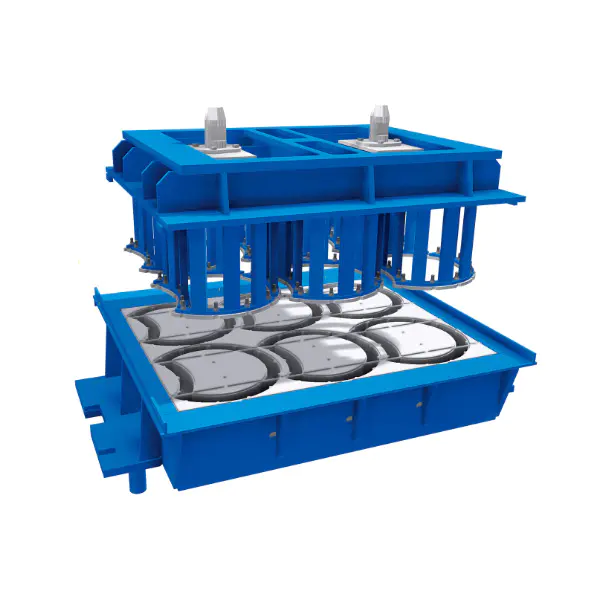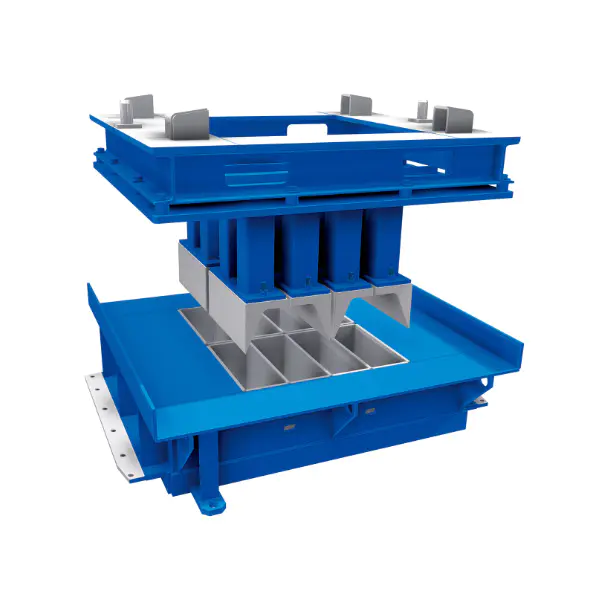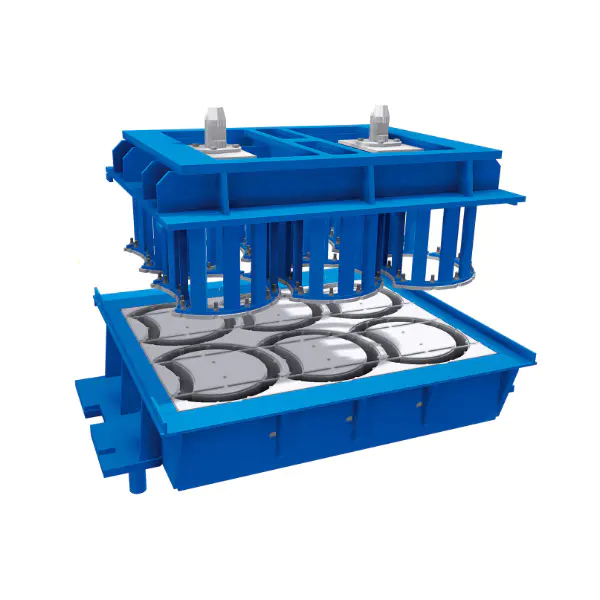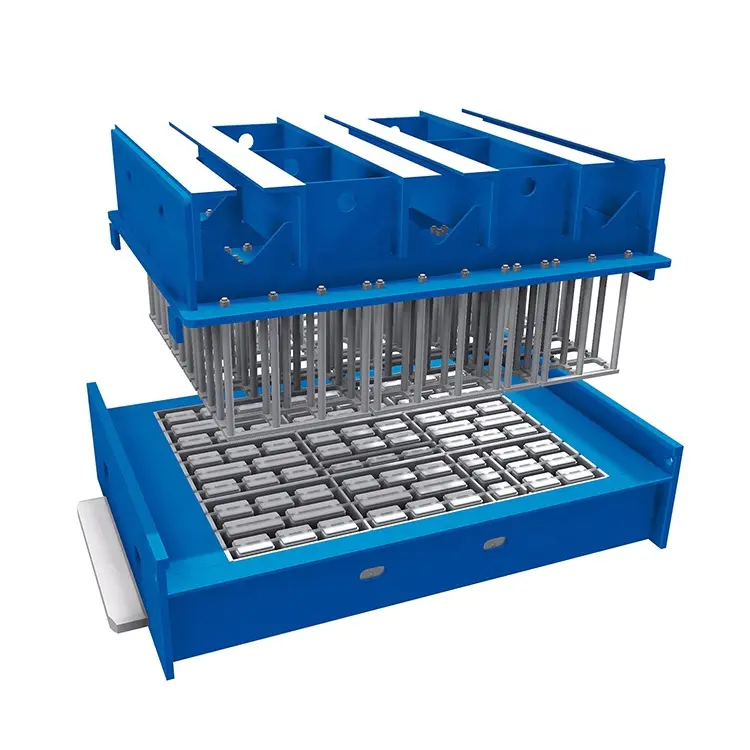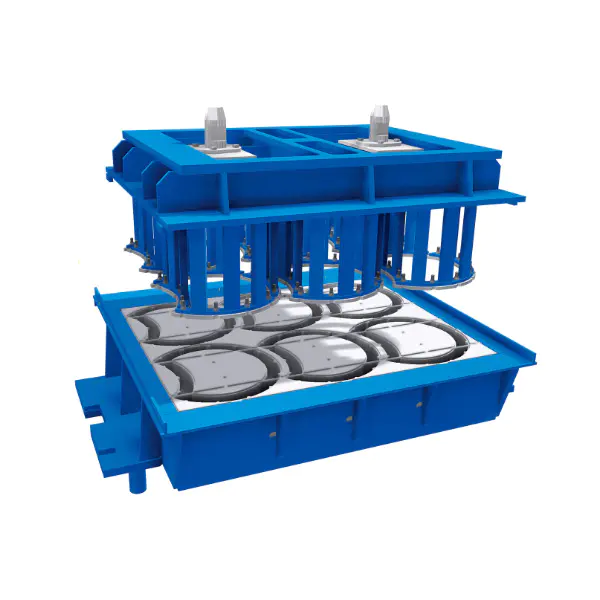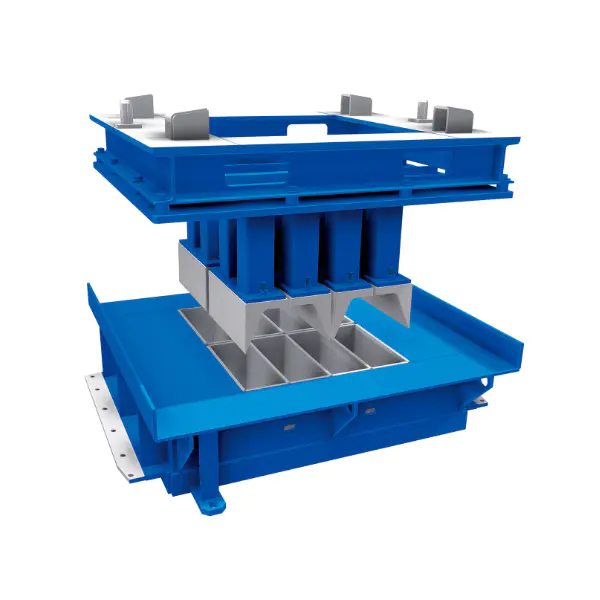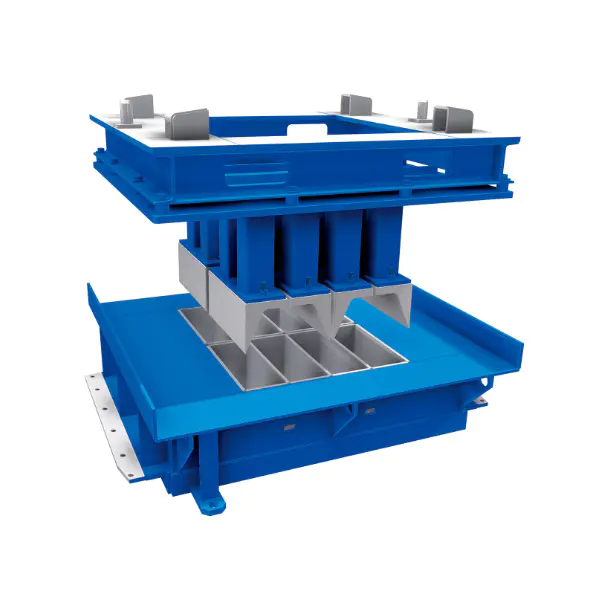

Our range of molds is engineered for durability and precision in every construction project. For large-scale masonry, the cement block mould delivers consistent dimensions and sharp edges, while the interchangeable cement block mold variants allow rapid switching between profiles. When producing lightweight structural units, the hollow blocks mold optimizes material use without sacrificing strength. For high-output landscaping operations, the paving blocks molder integrates advanced vibration and hydraulic pressure to form dense, wear-resistant stones in seconds. Each system shares the same hardened steel fabrication and heat-treatment process, guaranteeing thousands of cycles under demanding jobsite conditions.
Paver Brick Mold specifications are built around the real-world demands of commercial hardscape production. The frame is CNC-machined from Q345B structural steel plate, with all weld seams ultrasonically inspected. Wear surfaces are lined with AR400 abrasion-resistant steel, and interchangeable wear plates can be replaced individually, extending service intervals significantly. The standard cavity layout accepts replaceable polyurethane or hardened steel inserts, enabling different surface textures—from smooth architectural faces to coarse anti-slip profiles—without changing the main mold body.
| Parameter | Standard Value | Custom Options |
|---|---|---|
| Mold Size (L×W) | 1,100 × 700 mm | Up to 1,400 × 1,100 mm |
| Plate Thickness | 12 mm | 15–25 mm for heavy-duty cycles |
| Number of Cavities | 12–24 (200×100 mm unit) | Layout optimized per block size |
| Wear Liner Material | AR400 / Hardox 450 | Hardox 500, D2 tool steel |
| Heat Treatment | Stress-relieved after welding | Through-hardened for wear plates |
| Design Tolerance | ±0.2 mm | ±0.1 mm for architectural units |
| Demolding Angle | 1.5°–2.5° per side | Adjustable for polymer inserts |
| Weight | 240–380 kg | Varies with plate thickness and size |
Every Paver Brick Mold is assembled with hardened guide pillars and bolted connections that allow field-leveling without specialized tools. The vibration table interface is machined flat to within 0.3 mm per meter, ensuring uniform consolidation and minimal air voids in the finished product. Hydraulic clamping points are reinforced with bushing inserts to prevent elongation under repeated cycling. For producers moving between dry-cast and wet-cast processes, quick-change side liners reduce changeover time to under 30 minutes. Optional heating channels can be routed through the side frames to maintain optimal demolding temperatures when working with high-traction aggregate mixes or colored concrete.