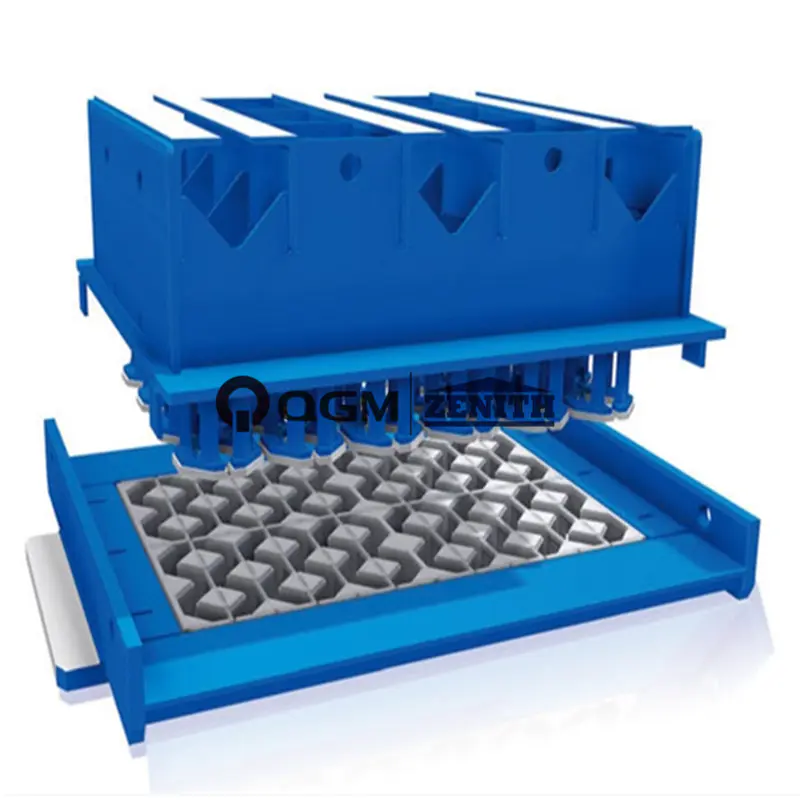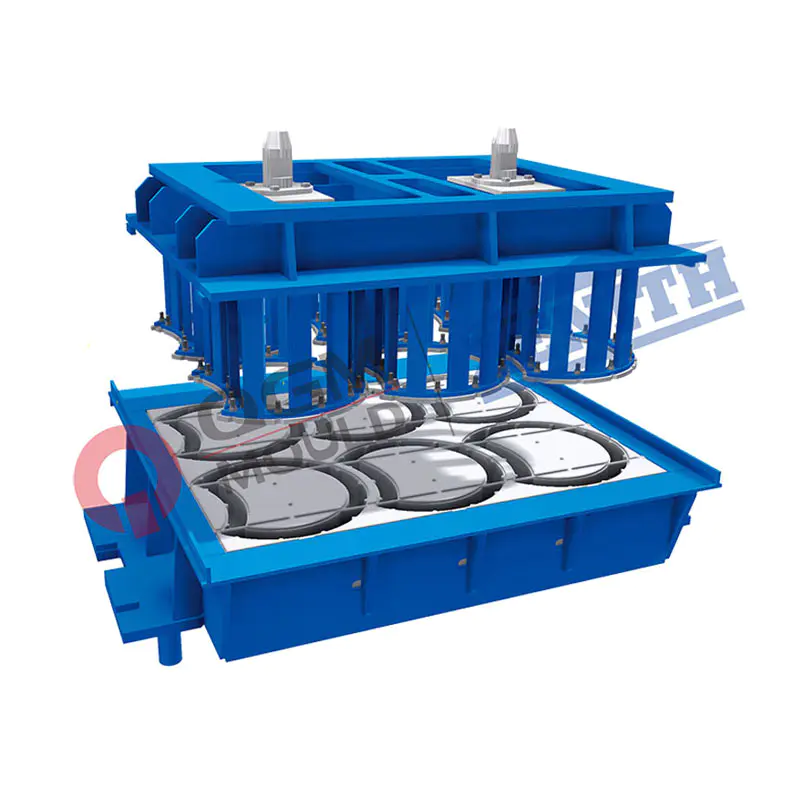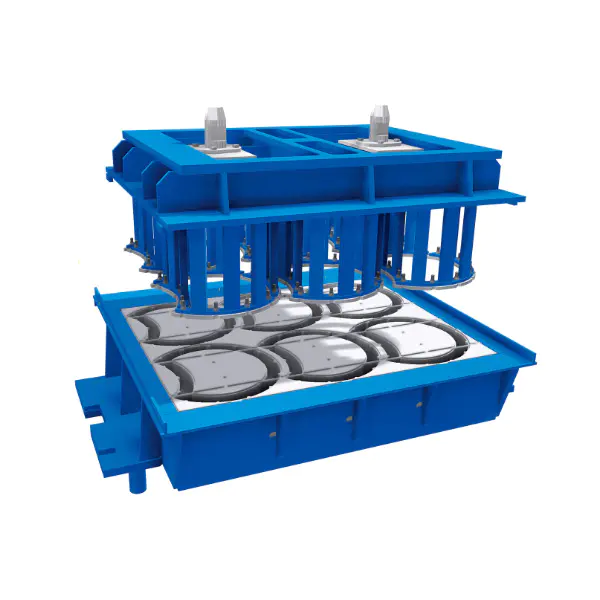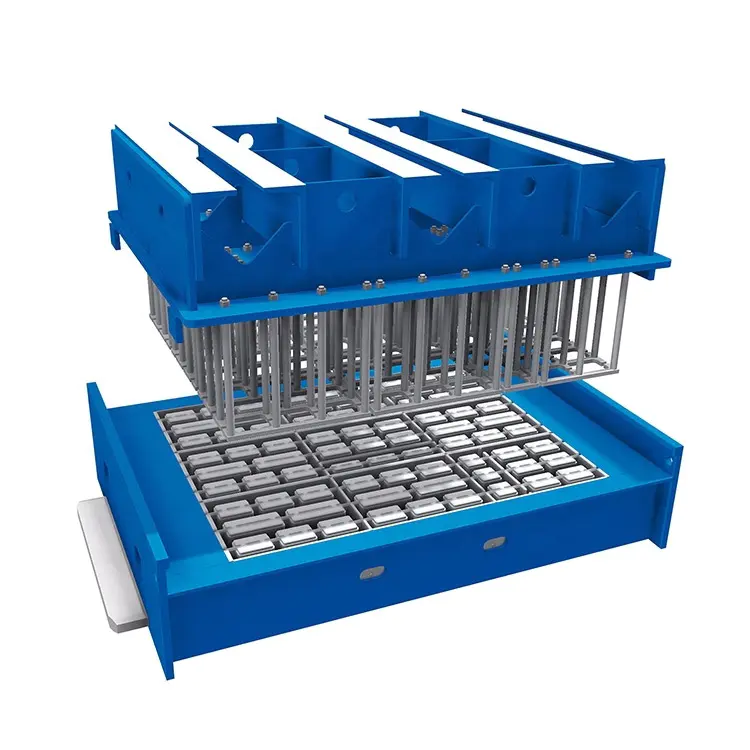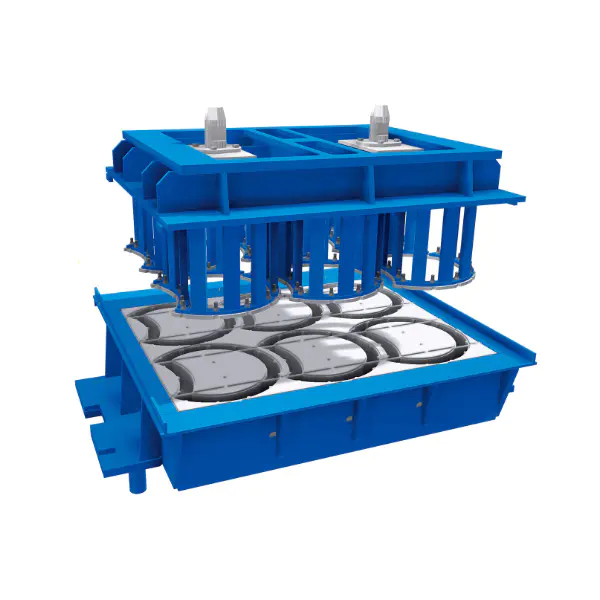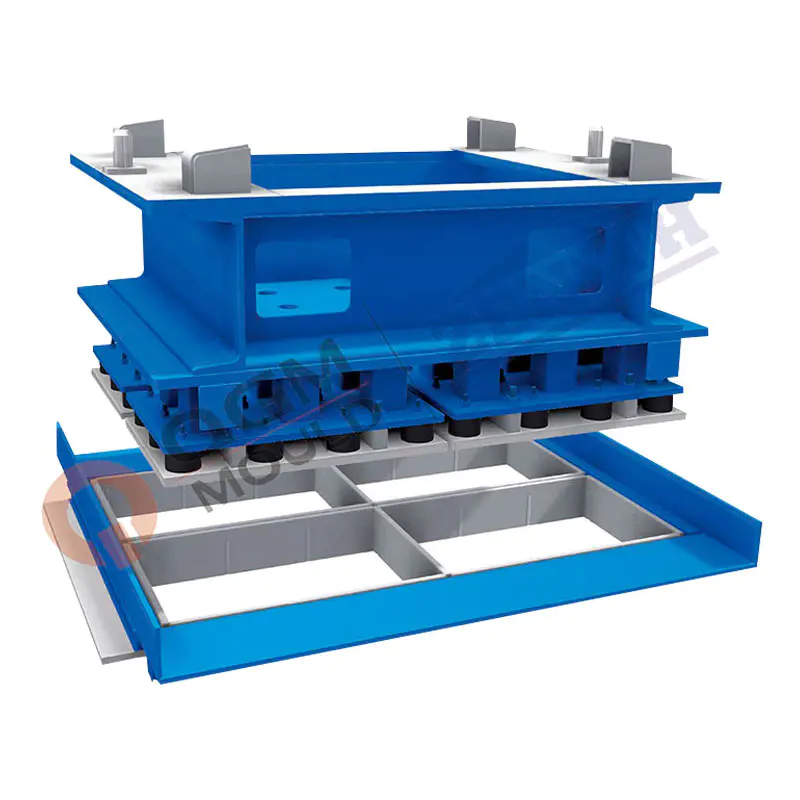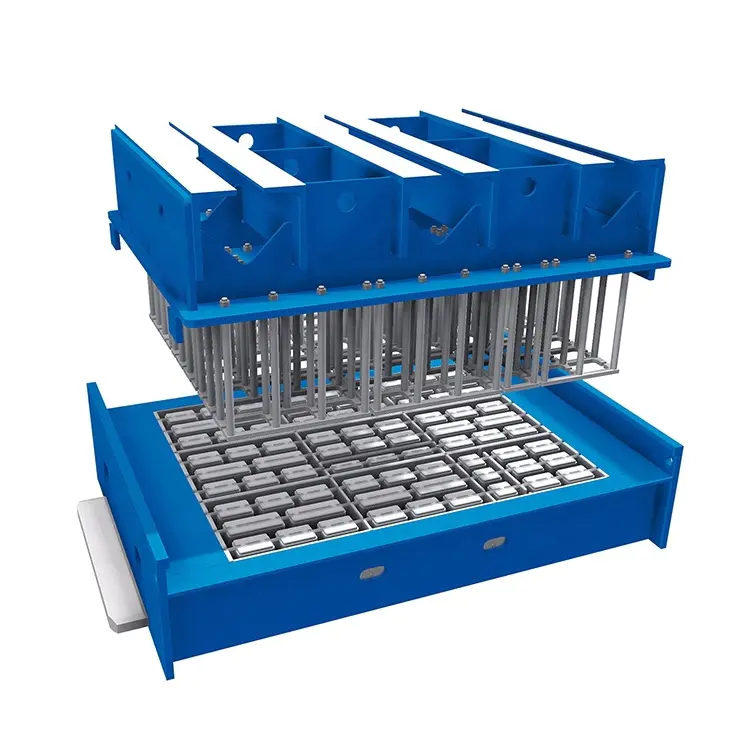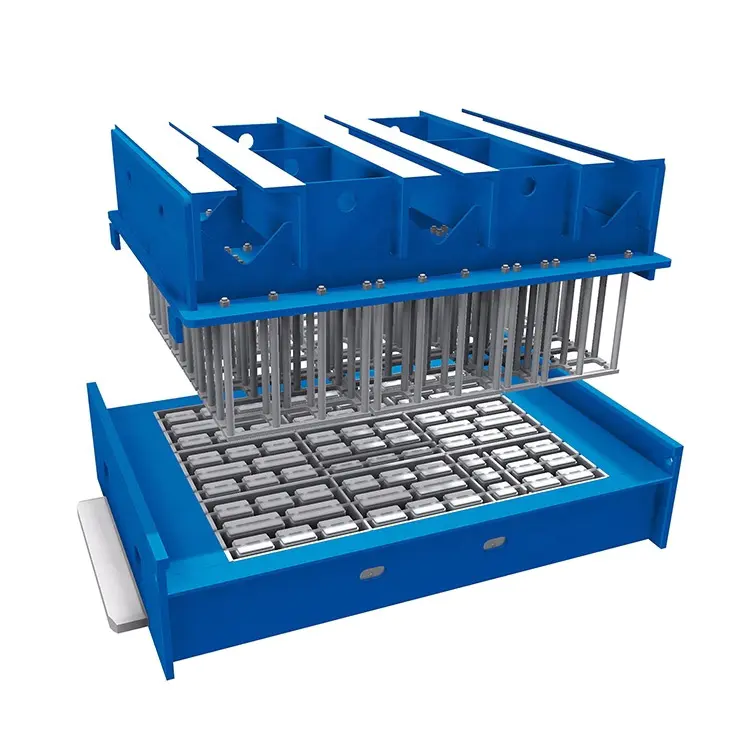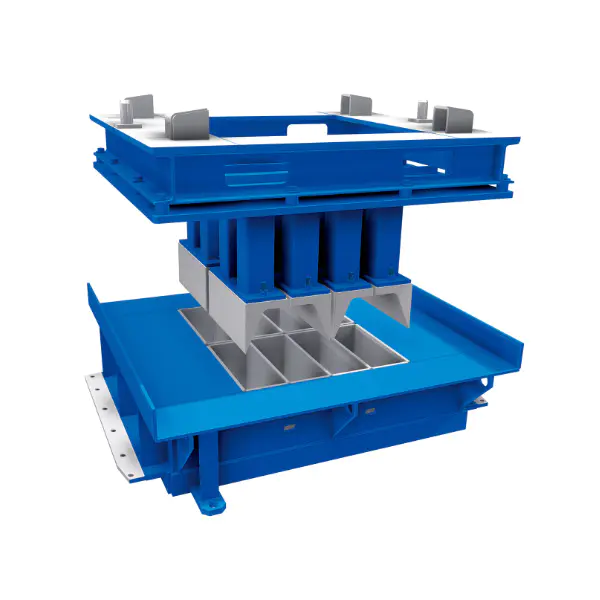

Precision-engineered road brick machine mold systems form the backbone of high-output concrete paving production. Selecting the right mold directly influences compaction uniformity, surface finish, and long-term equipment reliability. Our portfolio encompasses advanced brick machine mold equipment designed to handle aggressive mixes with minimal wear, alongside versatile block machine mold equipment configured for multiple cavity layouts per cycle. For manufacturers scaling up their operation, the integrated block machinery mold equipment range incorporates quick-change mounting plates and hardened guide pins, significantly reducing downtime during product changeovers. Complementing these solutions, our heavy-duty block machines mold equipment utilizes through-hardened wear steels with deep nitriding treatment to withstand abrasive aggregates found in road base materials. Each mold assembly is dynamically balanced and CNC-machined to maintain parallelism under vibration frequencies exceeding 50 Hz, ensuring consistent brick height and interlock geometry across every production run. The core design philosophy centers on optimizing material flow into the mold box while allowing controlled air evacuation, which eliminates surface voids and edge chipping commonly observed in inferior tooling.
Road brick machine mold construction demands metallurgical precision that goes far beyond standard tooling. Our Road brick machine mold assemblies are fabricated from duplex-treated chromium-molybdenum alloys, combining a tough ductile core with a surface hardness maintained at HRC 58-62. The wear plates feature a patented interlocking tongue-and-groove seam design that prevents fine particle ingress between lining segments, a critical detail when processing semi-dry concrete with sharp quartzite aggregates. We integrate water-cooling channels directly into the mold frame walls for thermal stability during extended pressing cycles, preserving dimensional accuracy within ±0.1 mm across the entire cavity array. This mold platform supports interchangeable core configurations ranging from 60 mm single-layer pavers to 120 mm dual-height road bricks, accommodating tongue-and-groove, chamfered, and beveled edge profiles. The optimized draft angles and polished cavity surfaces reduce ejection force requirements, protecting the vibratory head bearings and prolonging the service life of the entire block making station. Custom engraving options allow permanent branding or anti-slip pattern imprinting without compromising demolding performance, making these assemblies equally suitable for municipal DOT projects and commercial landscaping applications.
| Parameter | Specification |
|---|---|
| Mold length (standard) | 1,100 mm |
| Mold width (standard) | 700 mm |
| Maximum cavity depth | 250 mm |
| Compaction force capacity | Up to 1,800 kN static |
| Vibration motor speed | 3,200 – 4,200 RPM variable |
| Paving brick thickness range | 60 mm – 120 mm |
| Cycle time capability | 10 – 15 seconds |
| Lining plate life expectancy | 800,000 – 1,200,000 cycles |
| Weight (unloaded mold) | 1,050 kg |
| Cooling water flow requirement | 8 – 12 liters/minute at 2.5 bar |