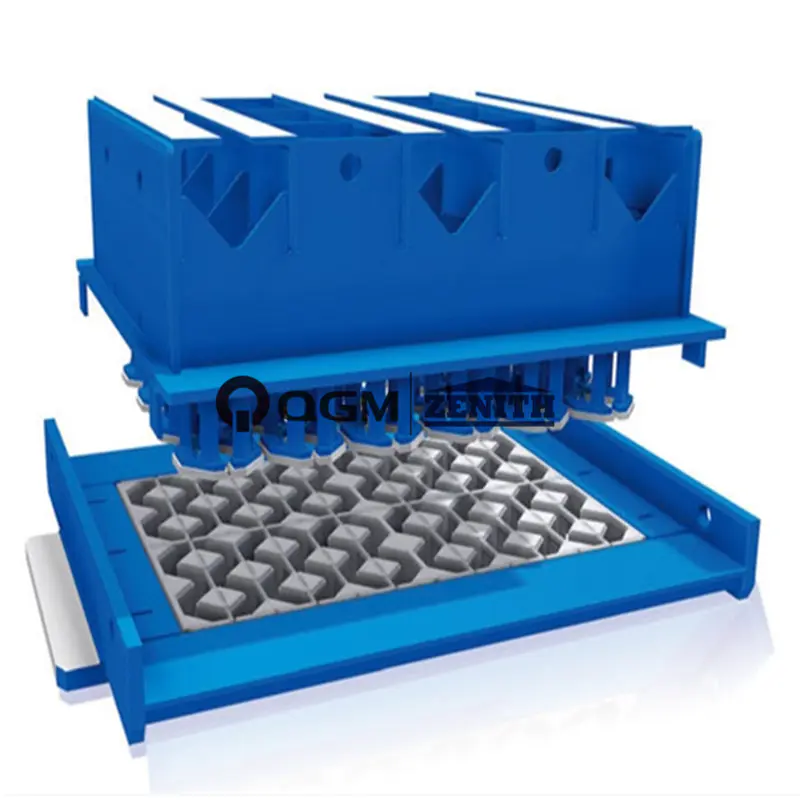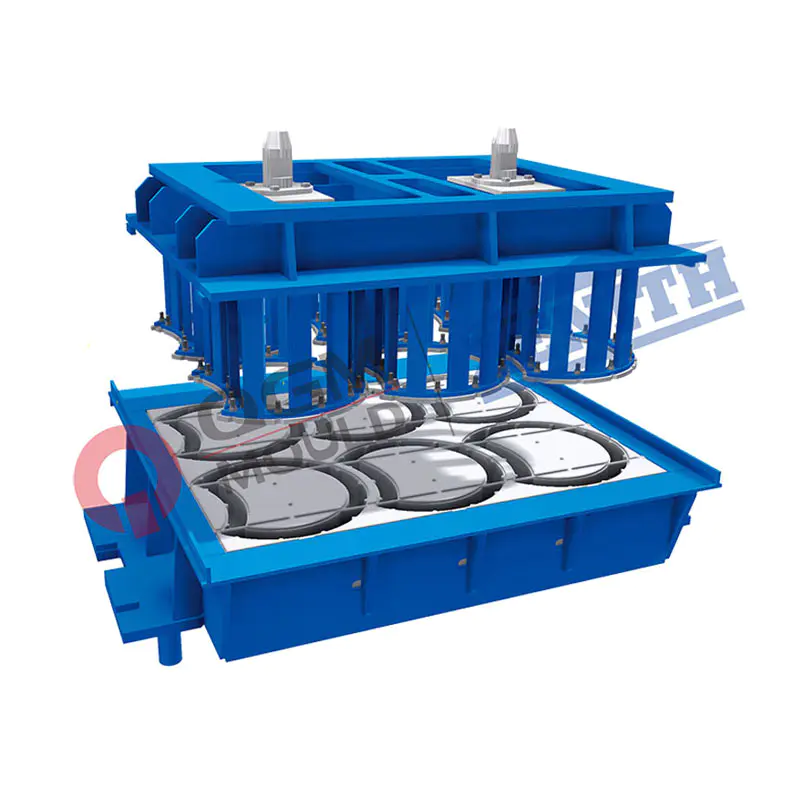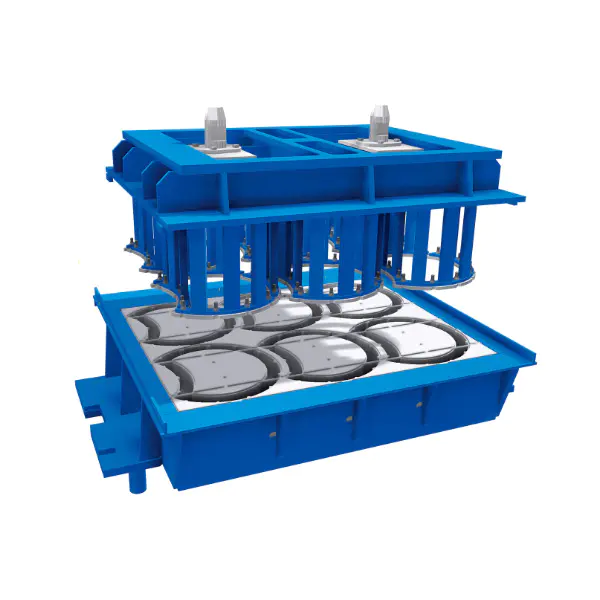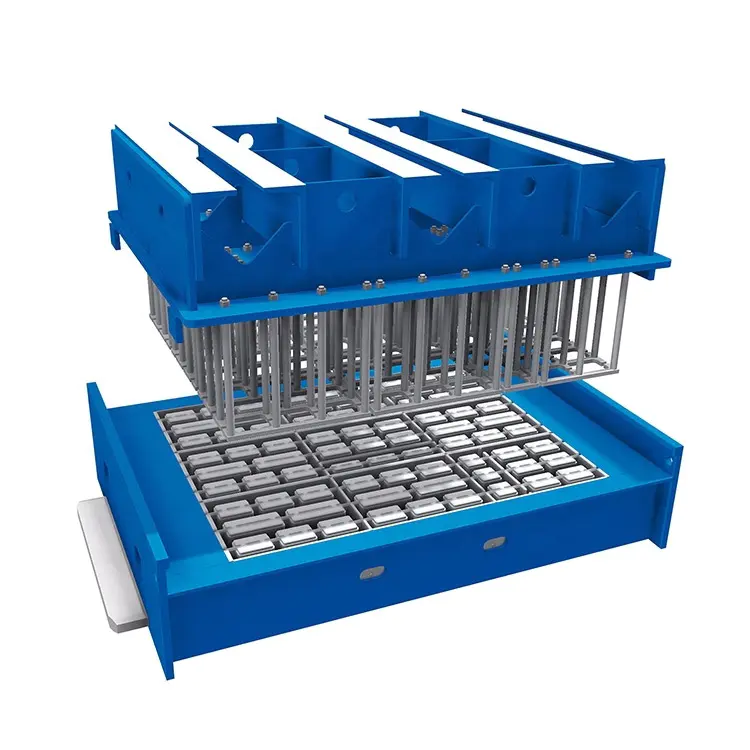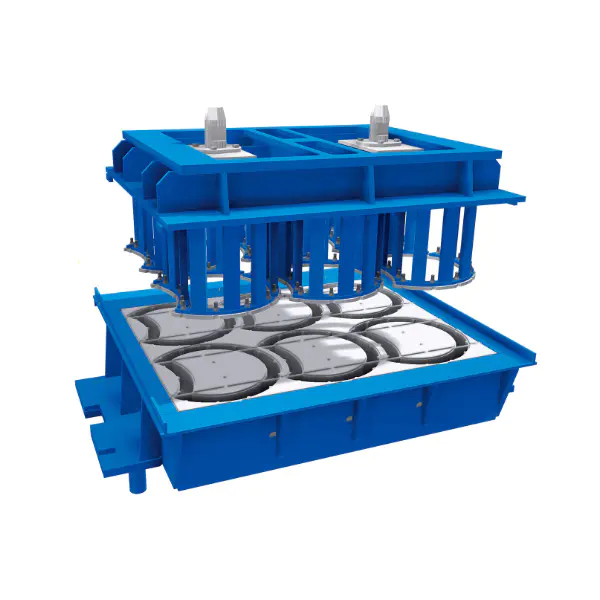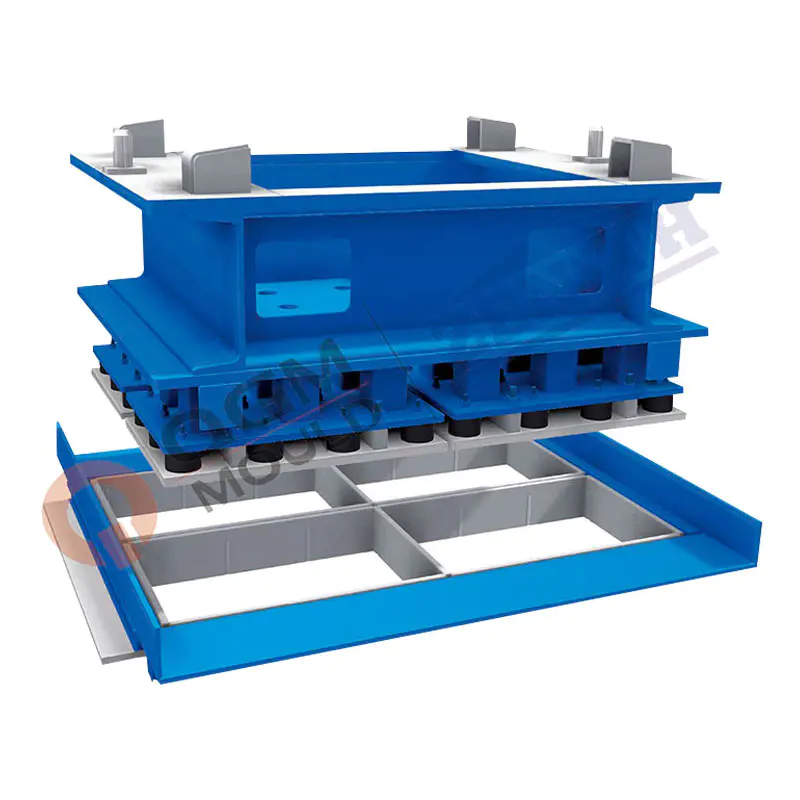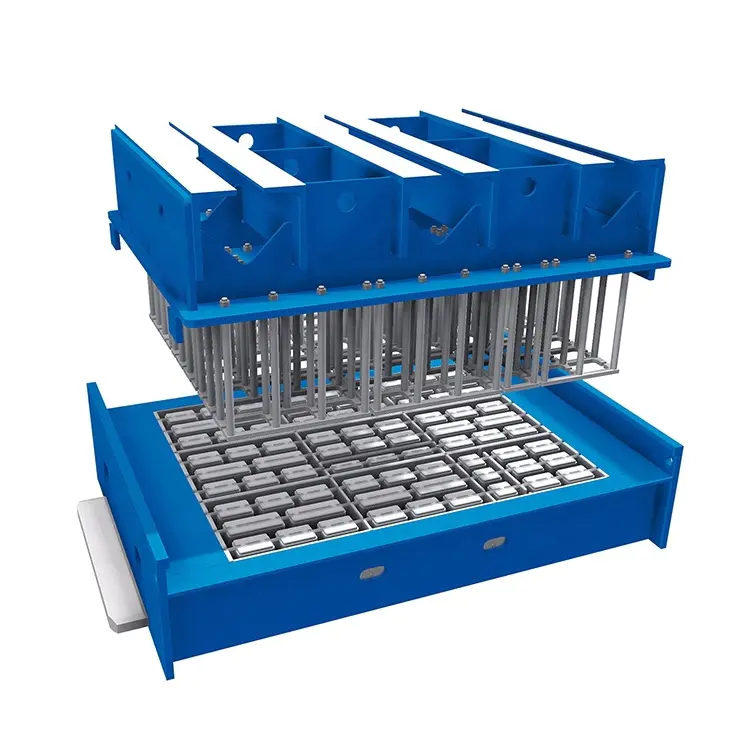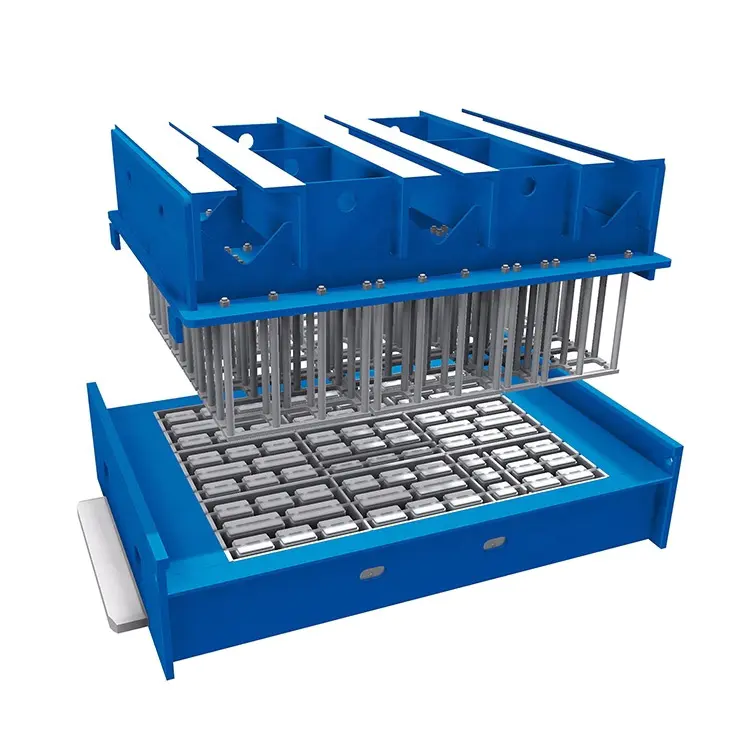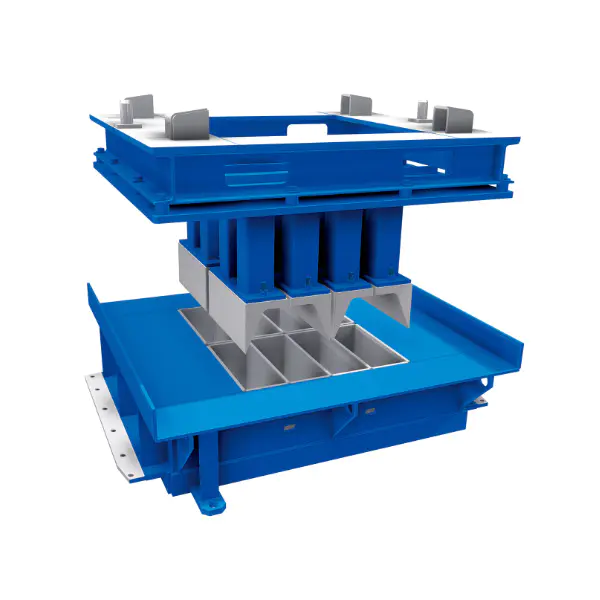

Finding reliable Brick machine mold equipment that consistently delivers an authentic aged appearance is a constant challenge for manufacturers focused on restoration and high-end architectural projects. The market increasingly demands bricks with irregular edges, subtle surface cracks, and natural color variations, yet standard production tools often fall short, creating uniform products that lack historical character. Our engineered mold systems directly address this gap by integrating precision manufacturing with the organic randomness found in handcrafted traditional materials. For operations scaling up their capabilities, integrating this with well-designed Block machine mold equipment streamlines workflow and reduces downtime caused by dimensional inconsistencies. The foundation of durable production lines rests on robust Block machinery mold equipment, where vibration dampening and uniform pressure distribution prevent premature wear on hydraulic systems. As demand grows, having interchangeable stations built with compatible Block machines mold equipment gives factories the flexibility to switch between rustic textures and smooth contemporary finishes without recalibrating entire lines. This modular approach proves essential for plants managing diverse client orders while keeping tooling costs under control.
Antique brick machine mould engineering focuses on replicating centuries-old craftsmanship through advanced metallurgy and CNC machining. Each mold cavity features laser-engraved textures modeled from actual 19th-century bricks to capture micro-irregularities that catch mortar naturally. The wear-resistant alloy steel construction maintains these delicate patterns for over 500,000 cycles before showing measurable degradation. Below are the technical specifications and material options available for current production runs.
| Parameter | Specification Detail |
|---|---|
| Mold Hardness Range | HRC 58-62 on working surfaces, HRC 42-48 on backing plates |
| Texture Depth Variation | 0.3mm – 2.5mm adjustable per cavity segment |
| Max Brick Dimensions | 240mm x 115mm x 70mm (standard), custom sizes up to 300mm x 150mm x 100mm |
| Single Mold Cycle Time | 8-15 seconds dependent on material mix formula |
| Applicable Pressure Range | 18-25 MPa for optimal texture transfer |
| Wear Layer Composition | Cr12MoV tool steel with titanium nitride coating on friction zones |
| Weight Per Mold Assembly | 45 kg – 78 kg based on cavity count configuration |
The mold's surface treatment process involves plasma nitriding to a depth of 0.08mm, creating a diffusion layer that resists abrasive raw material flow without embrittlement. Multi-angle side draft relief of 1.5 degrees ensures clean demolding even with coarse clay mixtures containing recycled aggregate. Temperature stability during continuous operation keeps dimensional drift below 0.03mm across an 8-hour shift, critical for maintaining consistent joint gaps in masonry installation. Optional bolt-on inlay plates allow quick texture swapping between tumbled stone, weathered edge, and hand-molded surface profiles without replacing the entire mold assembly. These inlays lock into precision-ground pockets using tapered retention wedges that eliminate vibration loosening during high-frequency compaction cycles. For brick plants targeting heritage construction markets, the mold's ability to produce subtle bowing and rounded corners matching genuine Georgian and Victorian brick profiles eliminates the need for secondary tumbling processes that add labor and material waste.