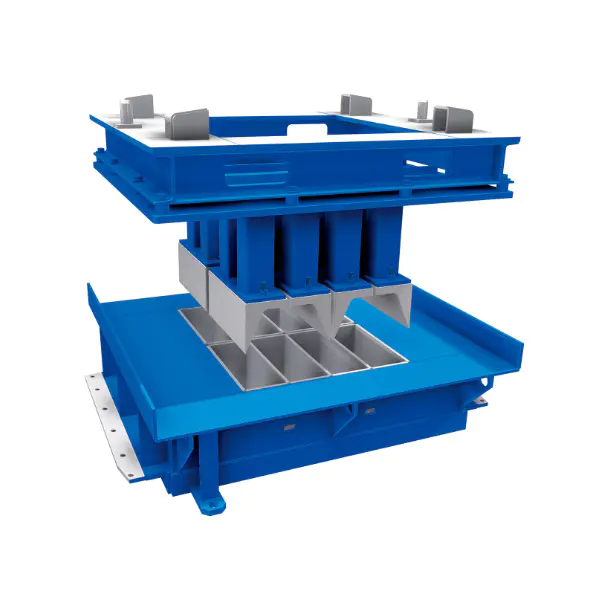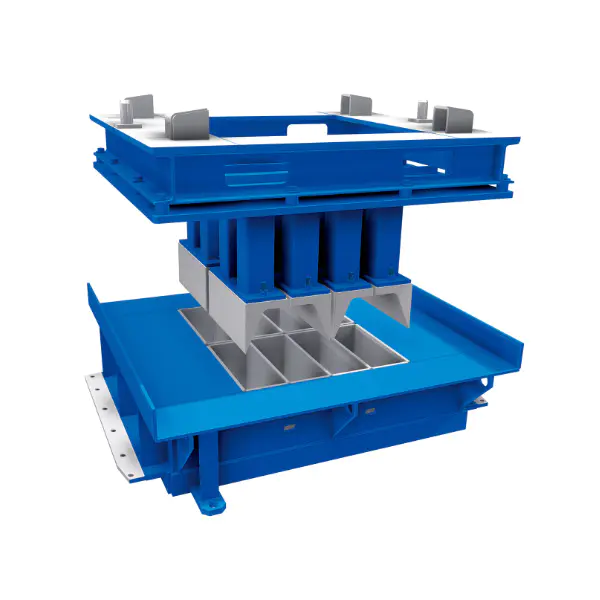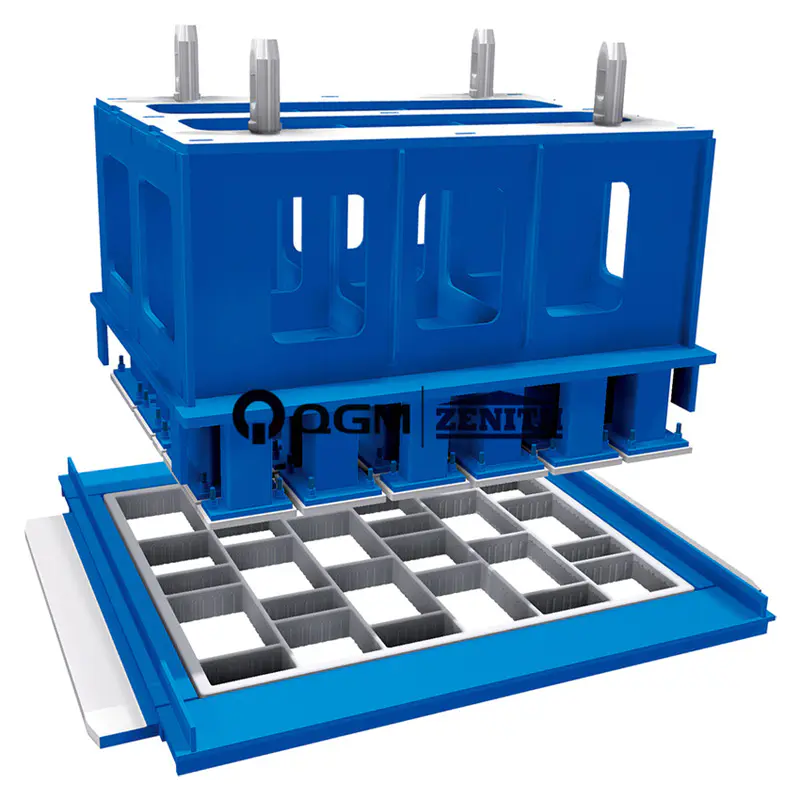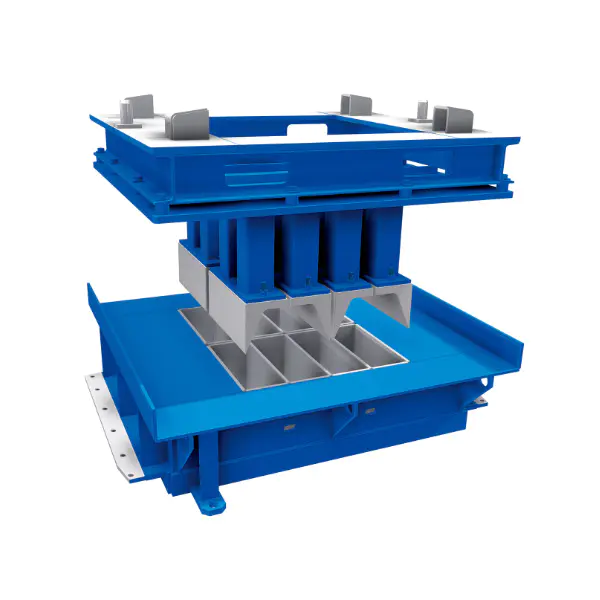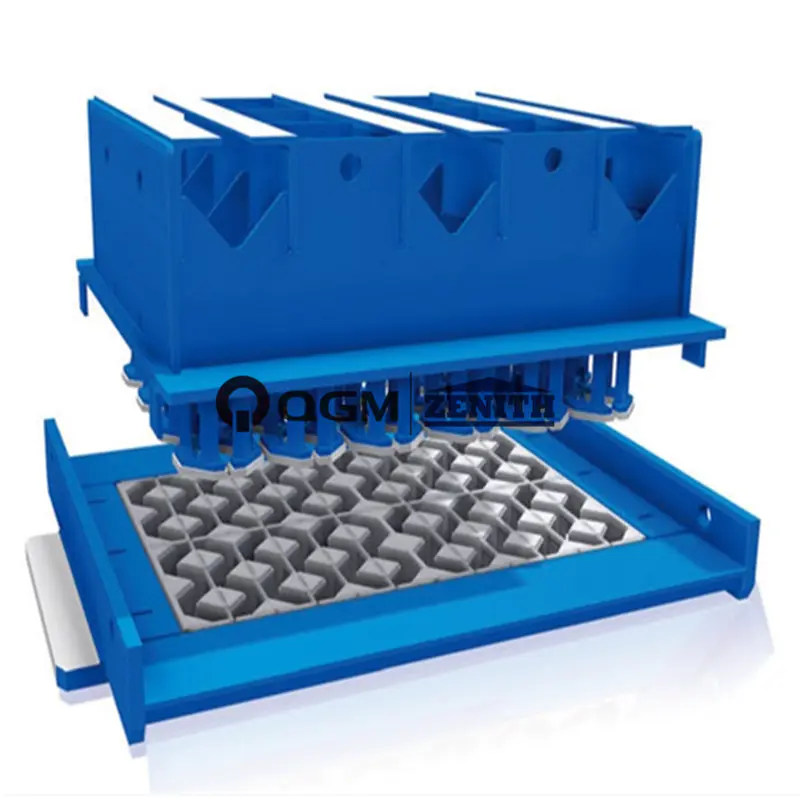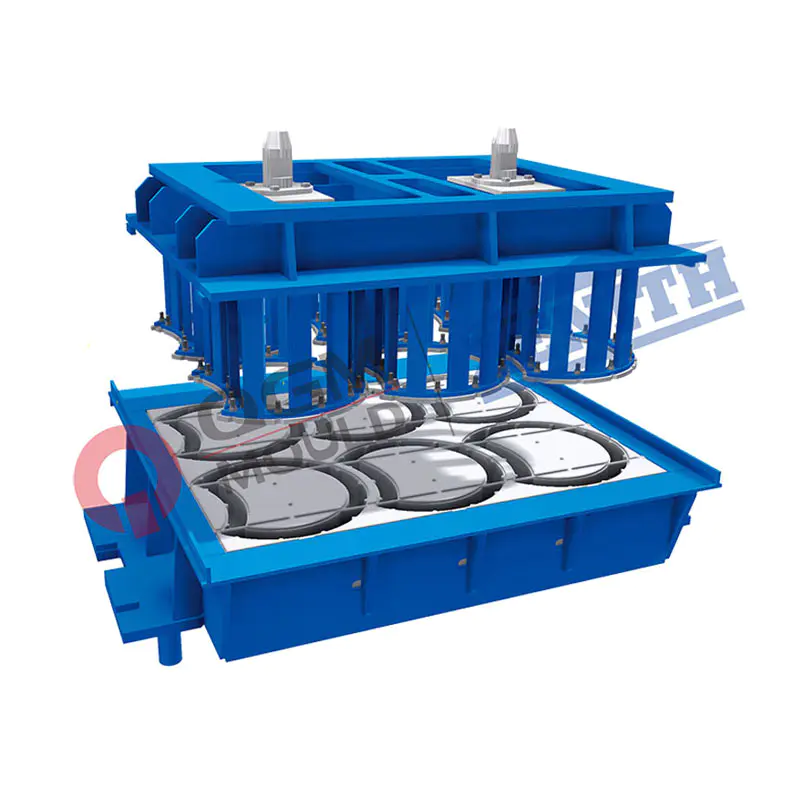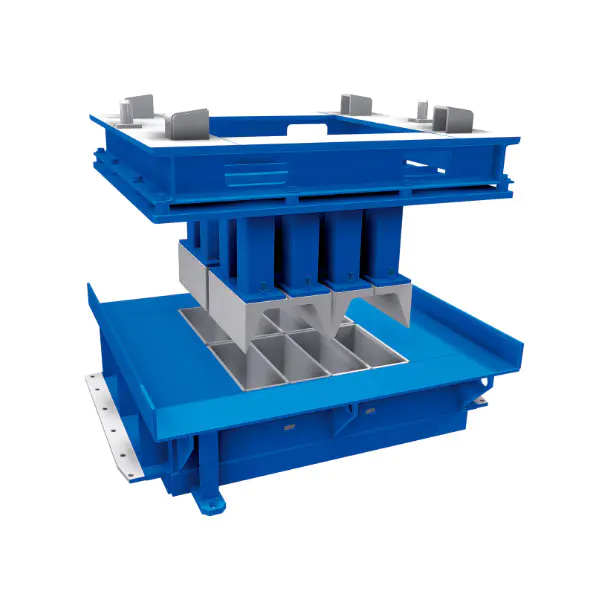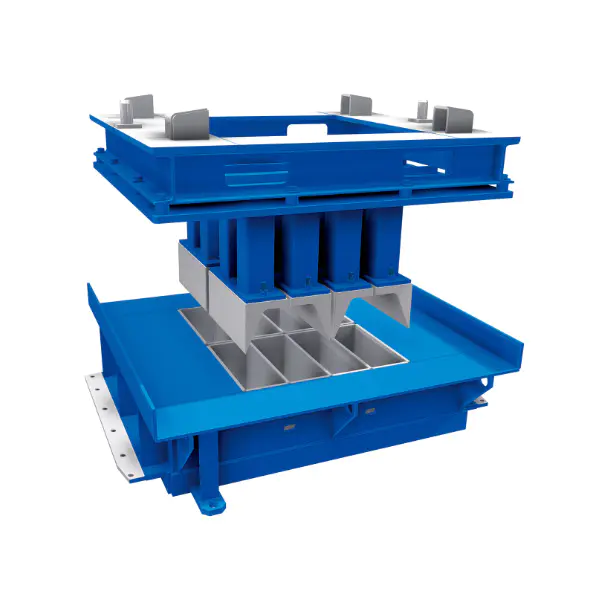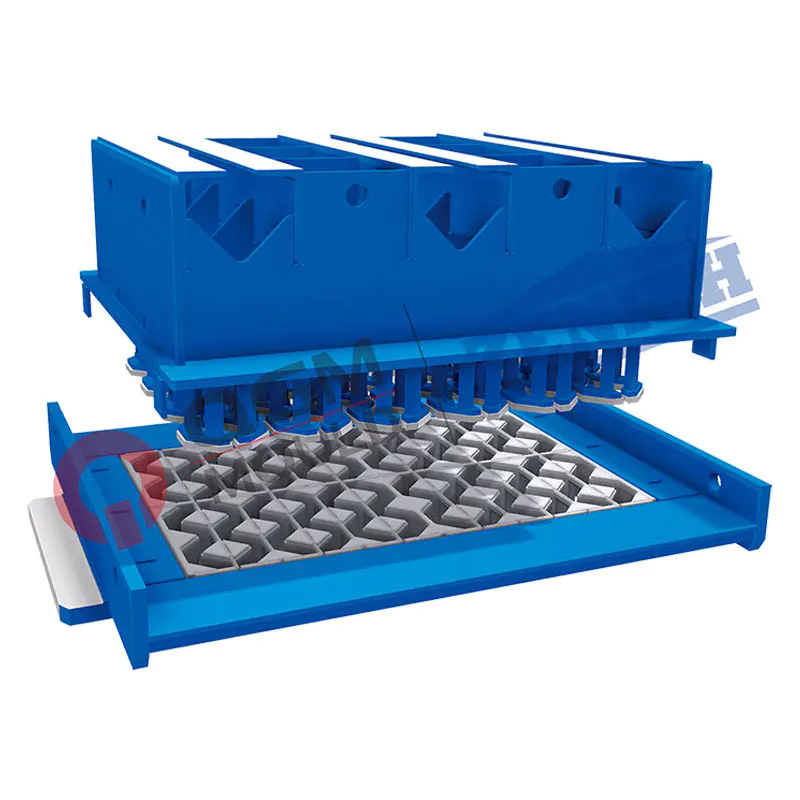

In the construction and landscaping industries, the quality of your output often starts with the tools you use, and a reliable brick mould is fundamental for producing uniform, durable pavers. Our selection of professional forms extends beyond standard shapes, incorporating designs that function seamlessly as a block mold for larger structural projects. We understand that consistency is key, which is why every brick mold in our inventory is engineered to withstand high-frequency use without warping. For developers managing large-scale operations, the durability of a block mould directly impacts the bottom line, making material integrity a top priority in our manufacturing process.
The Concrete Brick Mold represents a precision-engineered solution designed to transform raw concrete mix into perfectly shaped bricks and blocks. Manufactured using high-grade ABS plastic and reinforced steel, these molds resist impact, chemical corrosion, and extreme pressure during the tamping process. The inner surface features a non-stick treatment that ensures a smooth release, minimizing edge chipping and reducing the need for secondary finishing. Whether you are producing standard rectangles for a garden path or interlocking shapes for a driveway, the dimensional accuracy of this mold guarantees that every unit fits perfectly into the larger design, eliminating frustrating gaps and alignment issues on the job site. The robust construction supports repeated daily cycles, making it a practical asset for commercial paving contractors and ambitious DIY homeowners alike.
The performance of a concrete form is defined by its structural integrity and design precision. The table below details the core specifications that set this equipment apart from standard market alternatives. Every parameter has been optimized to balance ease of use with professional-grade output.
| Parameter | Specification Detail |
|---|---|
| Primary Material | Reinforced Polypropylene (PP) / Heavy-duty ABS |
| Reinforcement | 1.5mm galvanized steel perimeter frame |
| Surface Coating | Industrial-grade non-stick Teflon layer |
| Chemical Resistance | High (resistant to alkaline concrete mixes) |
| Thickness of Walls | 4mm – 6mm (prevents bulging under load) |
| Operational Temperature Range | -20°C to 60°C |
| Maximum Load Capacity | 1500 kg/m² (static pressure) |
Versatility is crucial for contractors who handle diverse projects. The Concrete Brick Mold is available in multiple cavity configurations, allowing simultaneous production of multiple units without sacrificing shape accuracy. The following list outlines the most common size variants available for immediate dispatch:
The engineering behind these forms focuses on reducing labor fatigue and material waste. The handles are ergonomically integrated into the frame rather than bolted on, distributing weight evenly during lifting and flipping. Unlike traditional wooden frames that absorb moisture and rot, the synthetic composition remains dimensionally stable even after thousands of wet cycles. For automated setups, the mold interfaces smoothly with standard vibration tables. The precise draft angles on the interior walls compensate for the shrinkage of the concrete during curing, allowing for a clean demolding action without excessive force or hammering. The longevity of the form is further enhanced by replaceable corner wear plates, which protect the main body from the abrasive nature of compacted aggregate.
To maximize the lifespan of the mold, proper cleaning protocols must be observed. Residual concrete should be pressure-washed immediately after use, before the mix fully cures, to prevent buildup in the corner radii. While the non-stick surface minimizes adhesion, applying a thin layer of release agent prior to pouring can extend the coating's life and improve the brick's surface smoothness. Storage recommendations include stacking the molds flat on level shelving units, away from direct sunlight, to prevent thermal warping over extended periods.