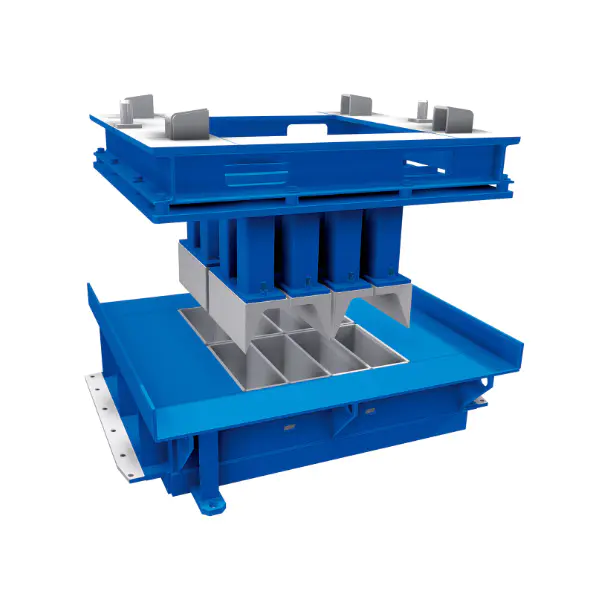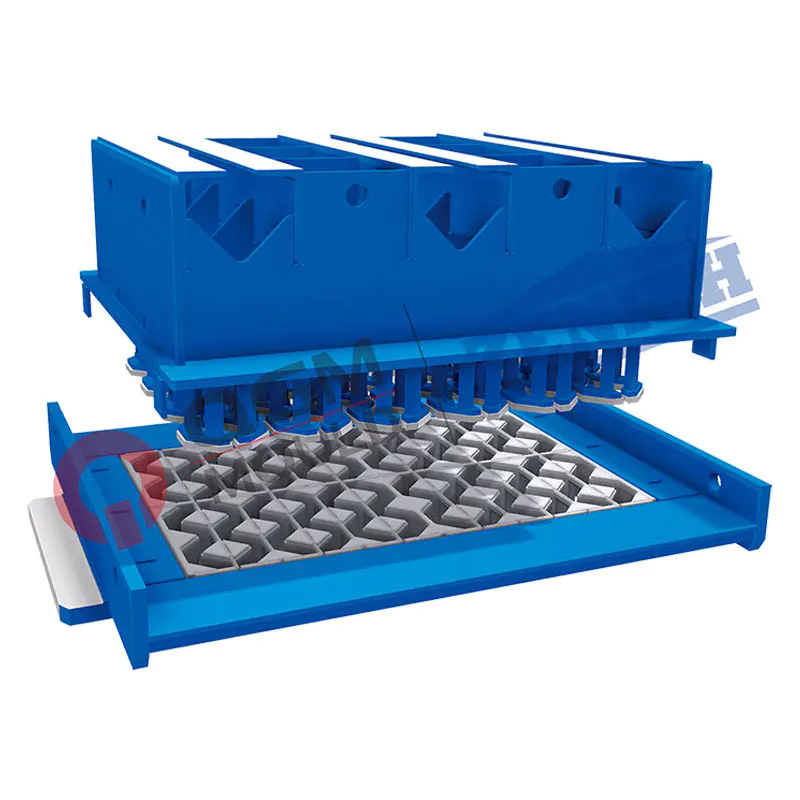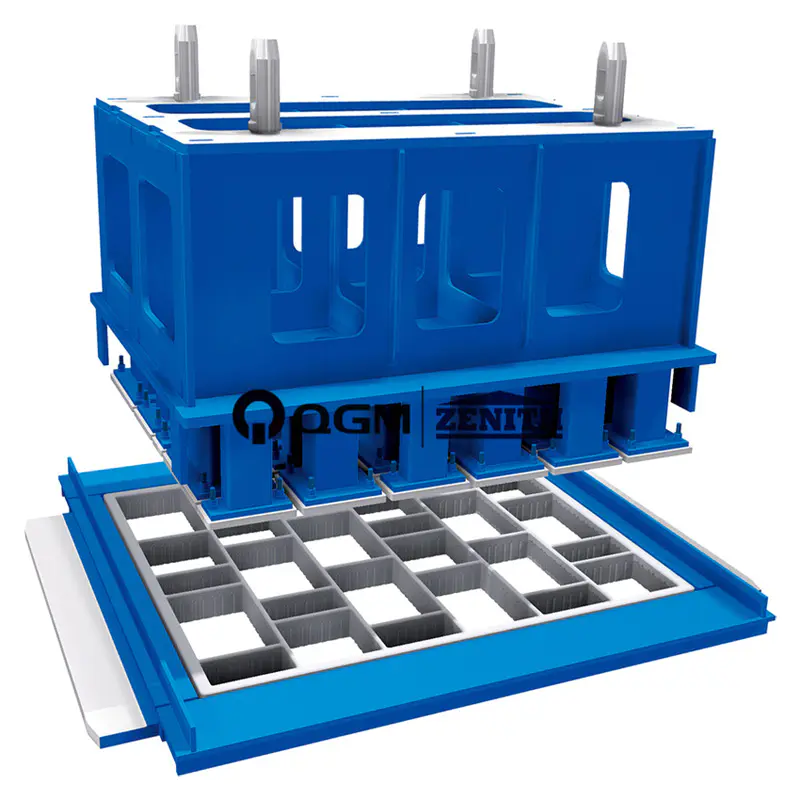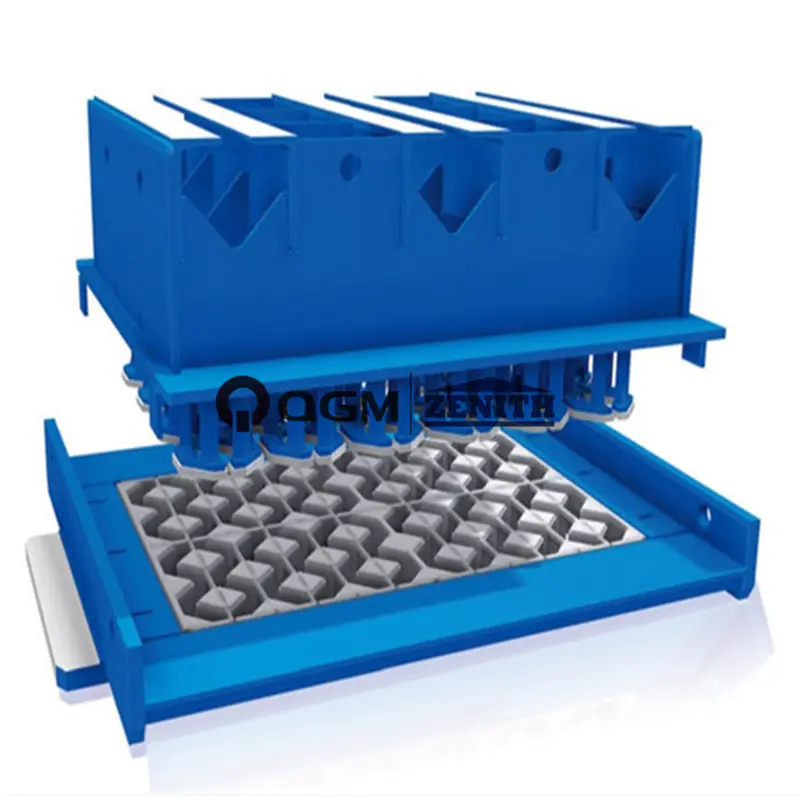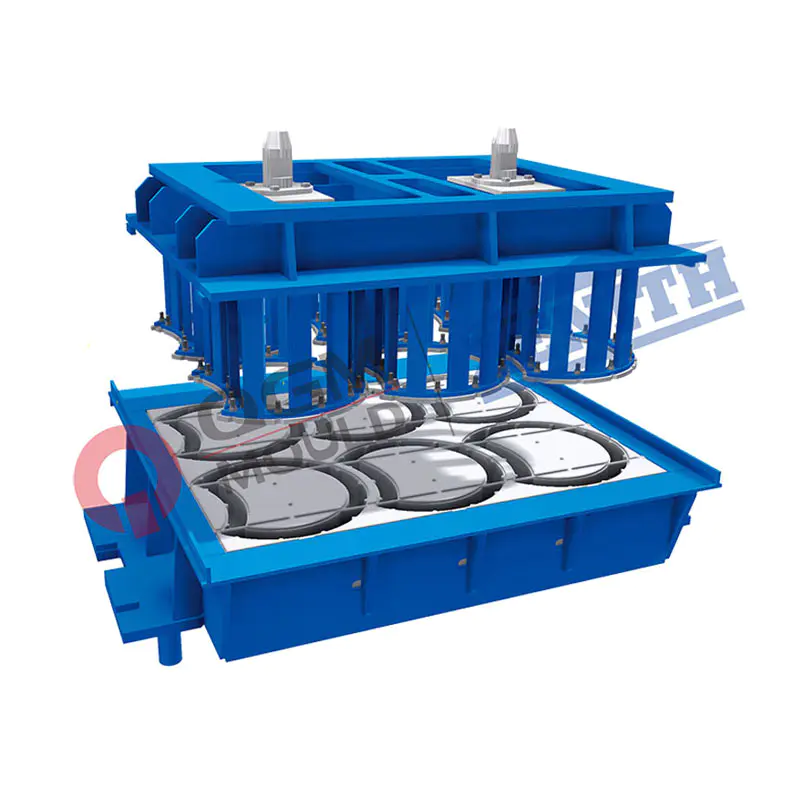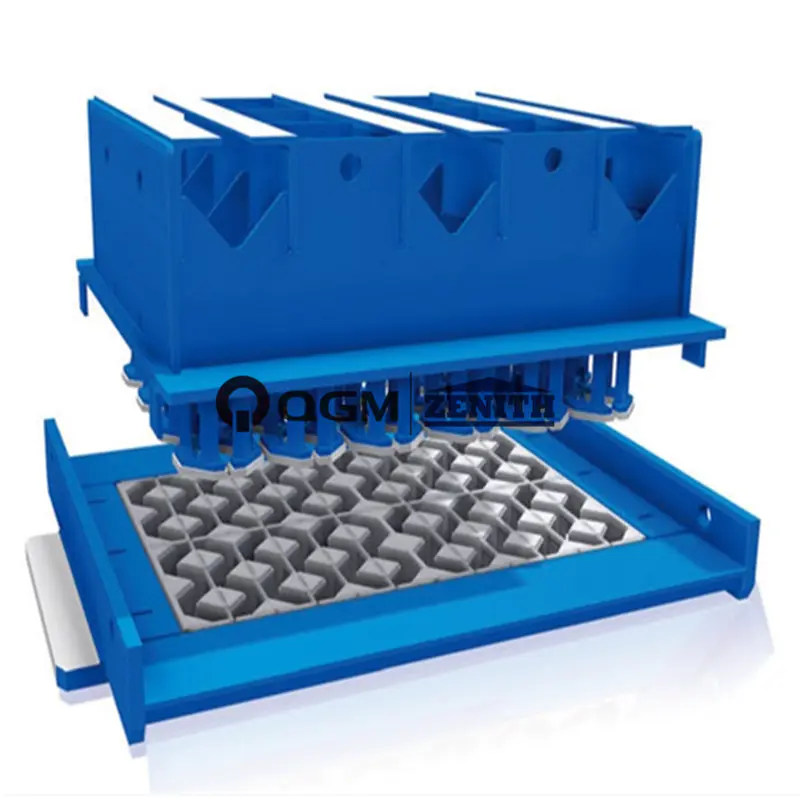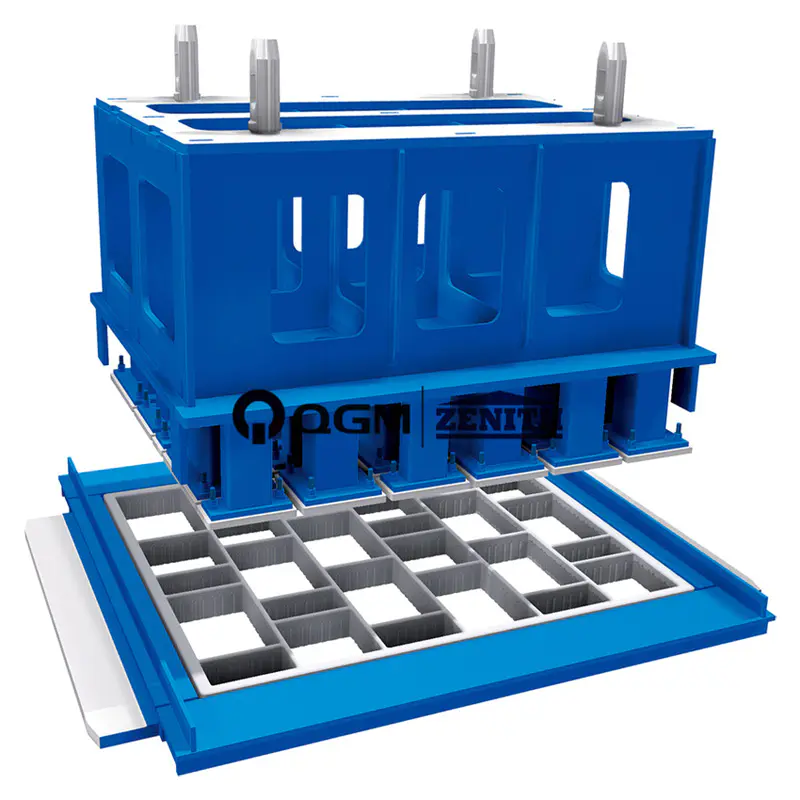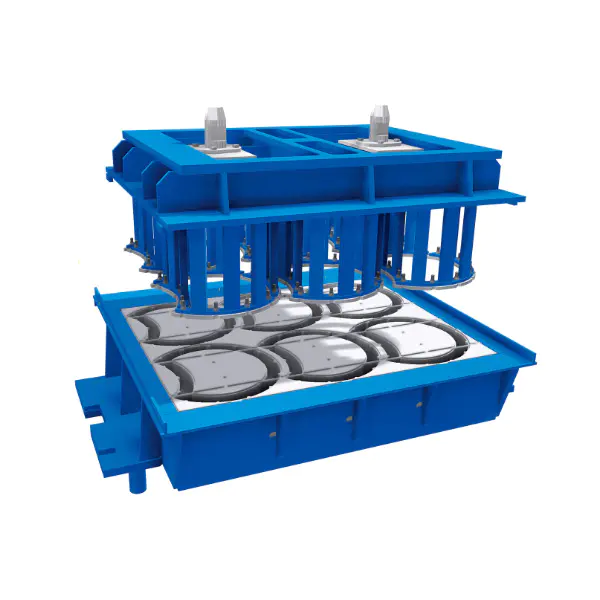

In the competitive landscape of modern construction manufacturing, selecting the right mold technology directly impacts both operational costs and environmental footprint. Our advanced energy-efficient brick production solutions address these challenges by integrating precision engineering with sustainable material processing. The core design philosophy focuses on reducing vibration resistance and optimizing compaction dynamics, which translates into measurable power savings during each production cycle. This approach aligns with the functionality of the Eco block mold line, where streamlined internal geometries minimize energy waste while maintaining block integrity. For high-volume operations demanding durability under extreme pressures, the Heavy duty brick mold series incorporates reinforced wear plates and hardened steel alloys that extend service intervals and reduce downtime. Complementing these, the Eco-friendly brick machine mold variant utilizes a specialized surface treatment that lowers friction coefficients during material flow, further decreasing motor load requirements. In applications where raw material composition varies, the Recycled material brick mold delivers consistent compaction performance across mixes containing crushed concrete, fly ash, slag, and other secondary aggregates, ensuring uniform density without excessive energy input.
Energy-saving brick mold configurations are engineered to deliver quantifiable performance gains across diverse production environments. The product family encompasses multiple cavity layouts and dimension-specific tooling sets designed for compatibility with major hydraulic and mechanical press brands. Below is a detailed breakdown of the technical specifications that define this product line.
| Parameter | Specification |
|---|---|
| Body Material | Cr12MoV alloy steel with electroslag remelting process |
| Wear Plate Material | Carbide-embedded composite lining, HRC 62-66 |
| Heat Treatment | Vacuum quenching + triple tempering + cryogenic stabilization |
| Surface Hardness | HRC 58-63 on functional surfaces |
| Core Hardness | HRC 42-48 for impact toughness |
| Dimensional Tolerance | ±0.15mm per 400mm cavity length |
| Surface Roughness | Ra ≤ 0.2μm on forming surfaces |
| Cavity Count Range | 4 to 36 cavities per mold |
| Mold Weight Range | 95kg to 850kg |
| Vibration Frequency Compatibility | 50Hz - 75Hz adaptive design |
| Energy Reduction Ratio | 18% - 28% compared to conventional mold designs |
| Service Life Expectancy | 280,000 - 500,000 cycles per set |
| Applicable Material Moisture Content | 8% - 18% optimal range |
| Lubrication System | Centralized automatic grease distribution with pressure monitoring |
The energy-saving brick mold achieves its efficiency targets through a combination of design innovations that work in concert during the entire production cycle. Key operational features include the following aspects.
Material compatibility extends across standard concrete mixes, lightweight aggregate blends, and high-recycled-content formulations containing up to 70% secondary materials without performance degradation. The energy-saving brick mold undergoes rigorous factory acceptance testing that includes dimensional verification via coordinate measuring machine inspection, hardness mapping across 24 predetermined points, and 500-cycle endurance trials under simulated production loads. Each unit ships with a comprehensive documentation package containing material certificates, heat treatment records, surface finish measurements, and assembly torque specifications for correct installation on the target brick machine model. Field data from installations across Southeast Asian, Middle Eastern, and Latin American markets indicate an average payback period of 11 to 16 months based solely on electrical energy savings, excluding additional benefits from reduced maintenance frequency and extended mold replacement intervals.