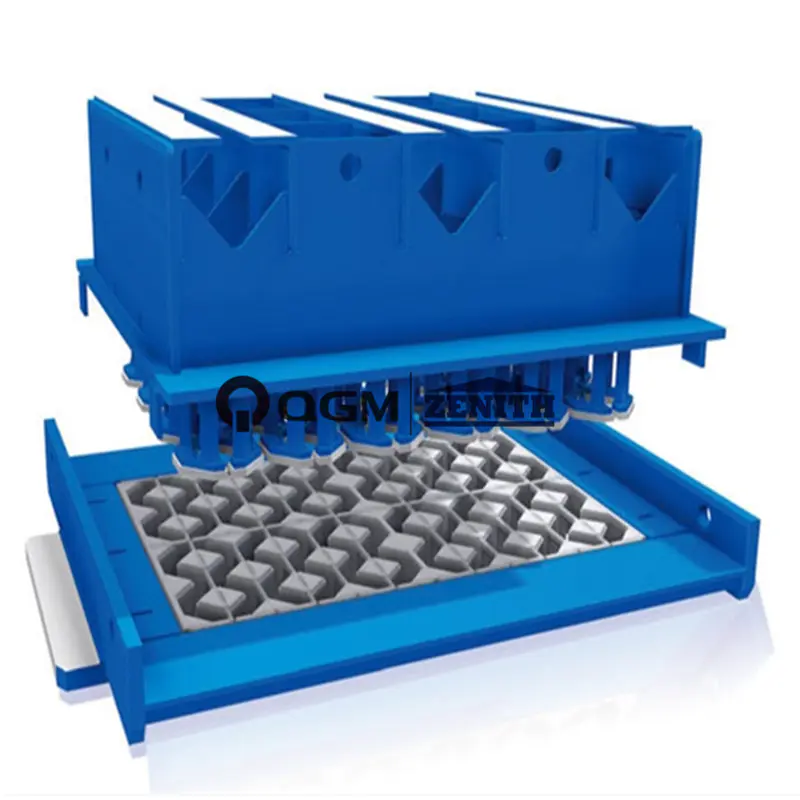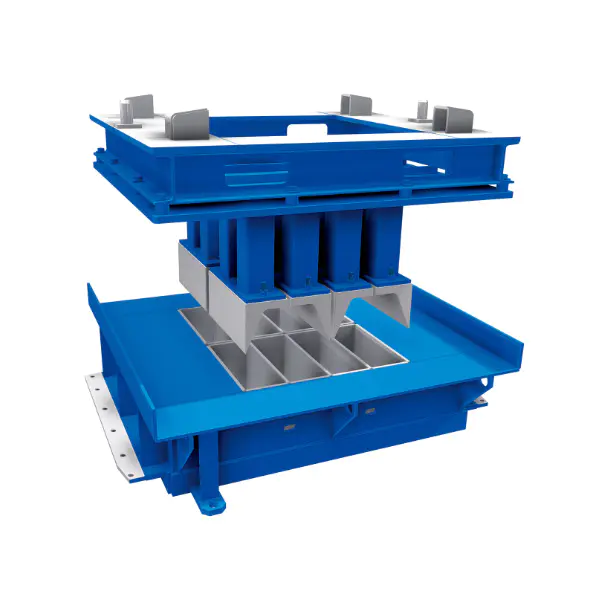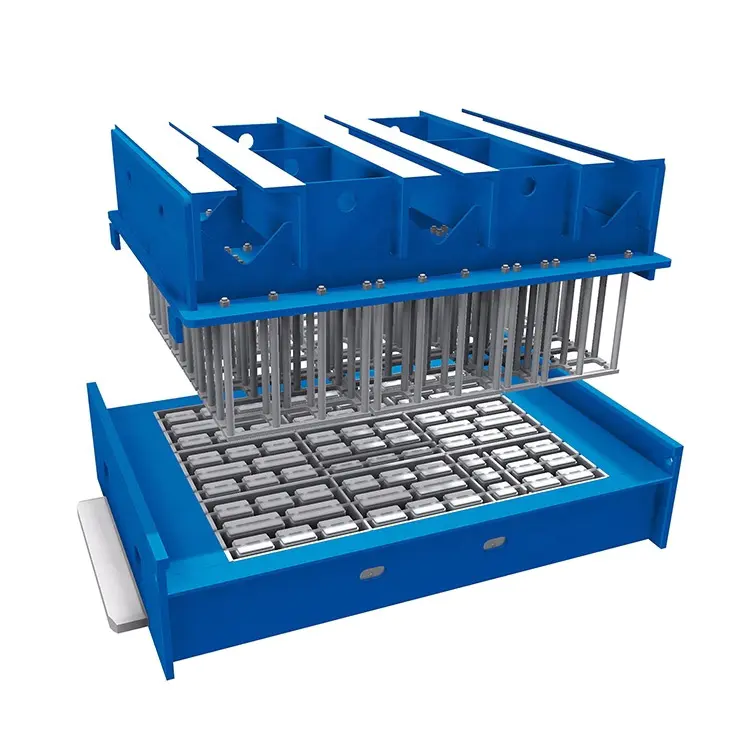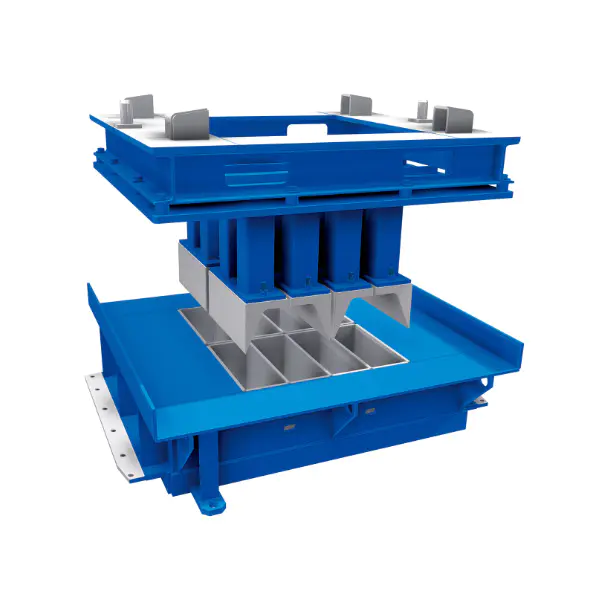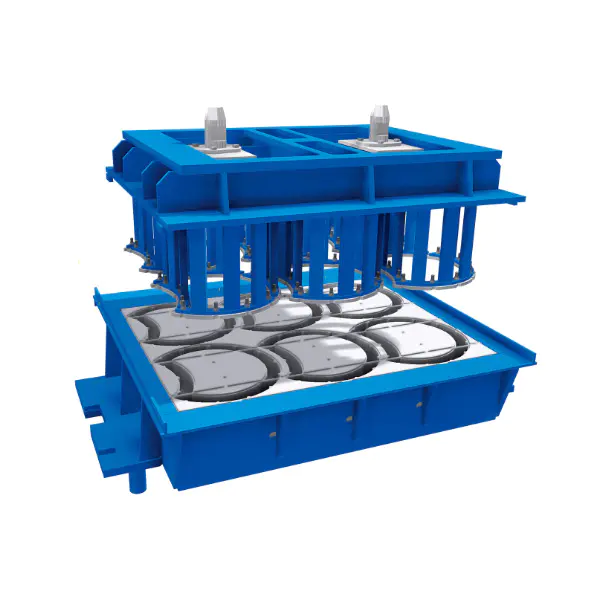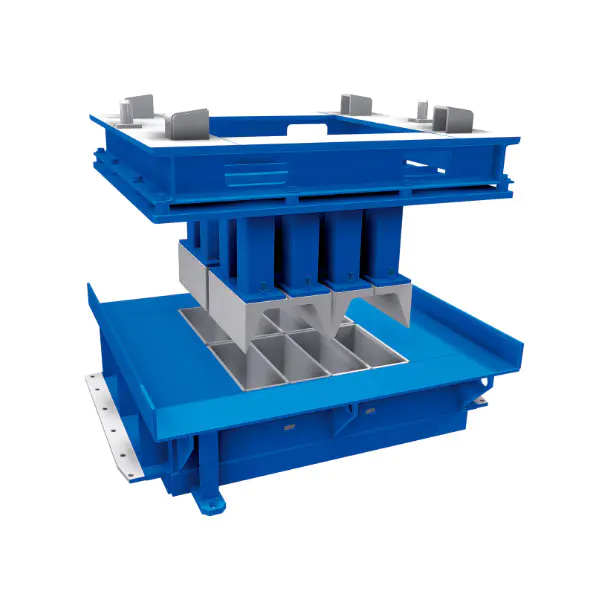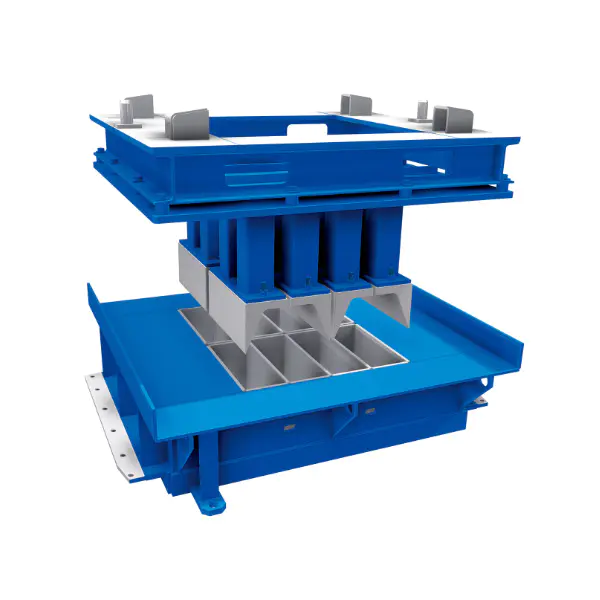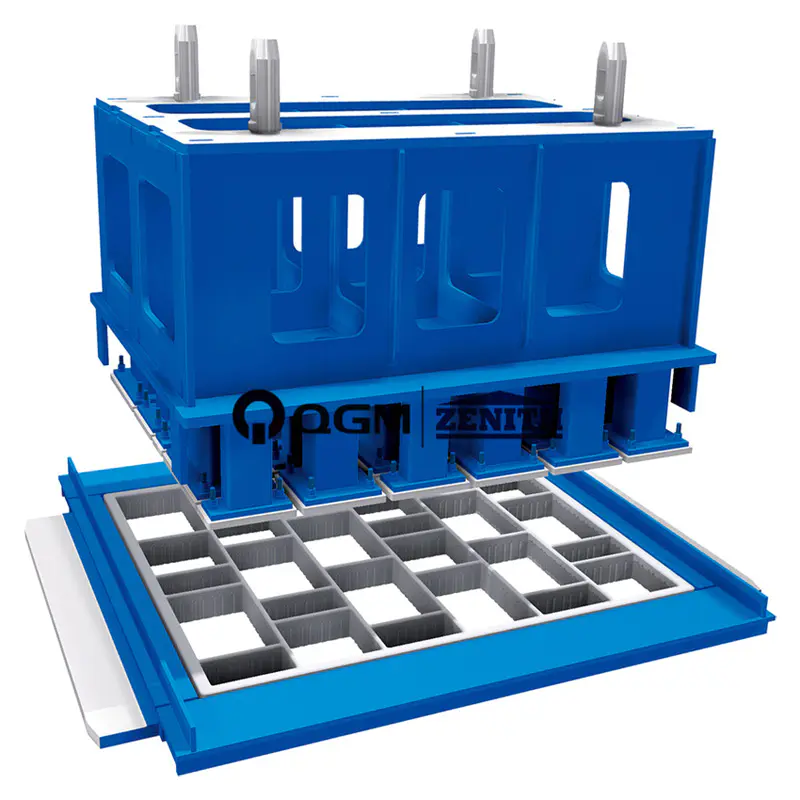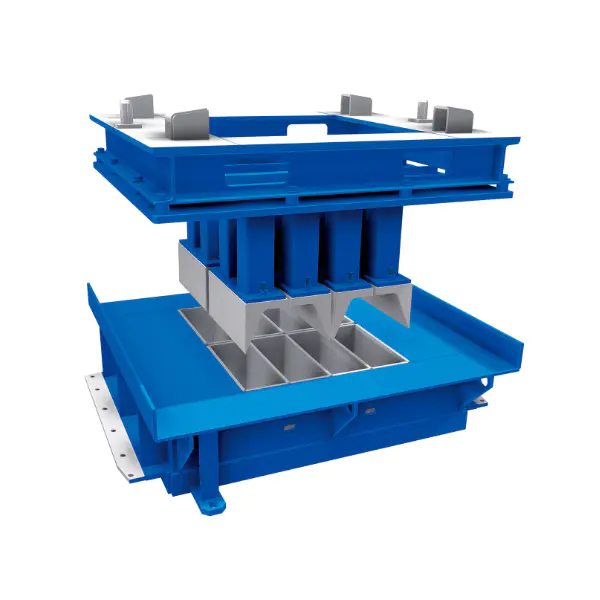

The aac brick making machine streamlines lightweight concrete block production by integrating precise dosing, mixing, and cutting systems within a single automated line. Its reliable performance consistently delivers uniform aerated blocks for residential and commercial structures. Alongside this core unit, an ash block making machine handles fly ash with dedicated compaction, while an ash brick making machine optimizes solid brick output from similar raw materials. For broader versatility, the brick block moulding machine adapts to multiple moulds, allowing quick shifts between hollow blocks, pavers, and standard bricks without compromising cycle speed.
The AAC Brick Machine is engineered with a heavy-duty steel frame to withstand high-volume daily cycles and minimize maintenance downtime. Its cutting frame uses calibrated wires and adjustable spacing, enabling clean separation of green cakes into precise block sizes with minimal waste. An integrated PLC control panel manages slurry pouring, pre-curing, and autoclave scheduling, reducing manual intervention while logging batch data for quality tracking. The machine supports raw material flexibility—cement, lime, sand, fly ash, and aluminum powder—so operators can adapt recipes to local supply conditions.
Key specifications and performance indicators are outlined below:
| Parameter | Standard Configuration | High-Output Option |
|---|---|---|
| Daily output (8 hours) | 100–160 m³ | 220–320 m³ |
| Mould quantity | 12–16 pieces | 20–28 pieces |
| Cutting machine type | Horizontal & vertical combined | Six-face cutting with auto-tilting |
| Autoclave size (diameter × length) | φ2.0 × 26 m | φ2.5 × 32 m |
| Steam consumption per m³ | 150–180 kg | 130–150 kg (with waste steam recovery) |
| Total installed power | ~140 kW | ~220 kW |
| Compressed air requirement | 0.8 MPa, 2 m³/min | 0.8 MPa, 4 m³/min |
| Raw material silo capacity | 50–100 tons each | 120–200 tons each |
The mixing section employs a double-shaft paddle mixer with wear-resistant Ni-hard liners to handle abrasive slurries evenly. Foam or aluminum powder dosing is synchronized with mixer speed to achieve consistent bubble distribution, directly influencing final block strength and thermal insulation values. After pouring, the slurry rises under controlled temperature and humidity inside the pre-curing chamber, where radiative heating panels maintain 40–50°C without hot spots. The hardened cake then transfers to the cutting line, guided by laser sensors that align the block stack before wire entry, reducing reject rates below 0.3%.
Ancillary equipment such as the ball mill for sand grinding, the slurry storage tank with agitator, and the waste slurry recycling system are seamlessly integrated into the AAC Brick Machine layout. Walkways and service platforms with anti-slip grating allow safe access for routine checks. Designed for rapid installation, the modular framework requires only a prepared concrete pad and utility hookups, typically reaching full operational status within 30–45 days. Built-in diagnostics alert operators to pressure deviations, wire wear, or mixer imbalance, enabling proactive servicing before unplanned stops occur.