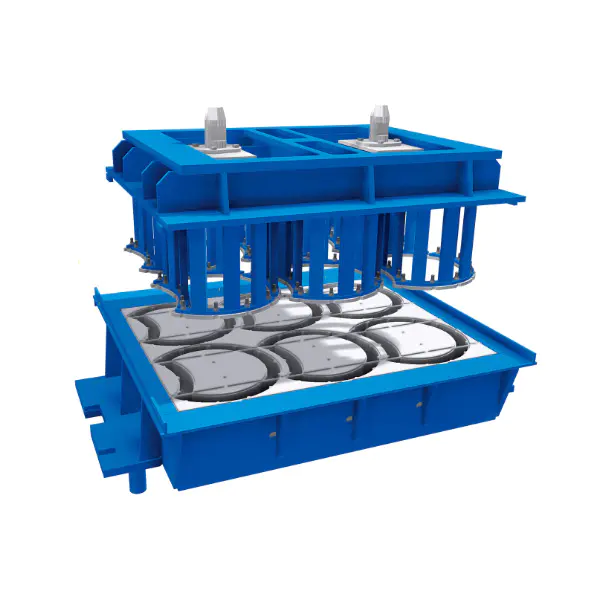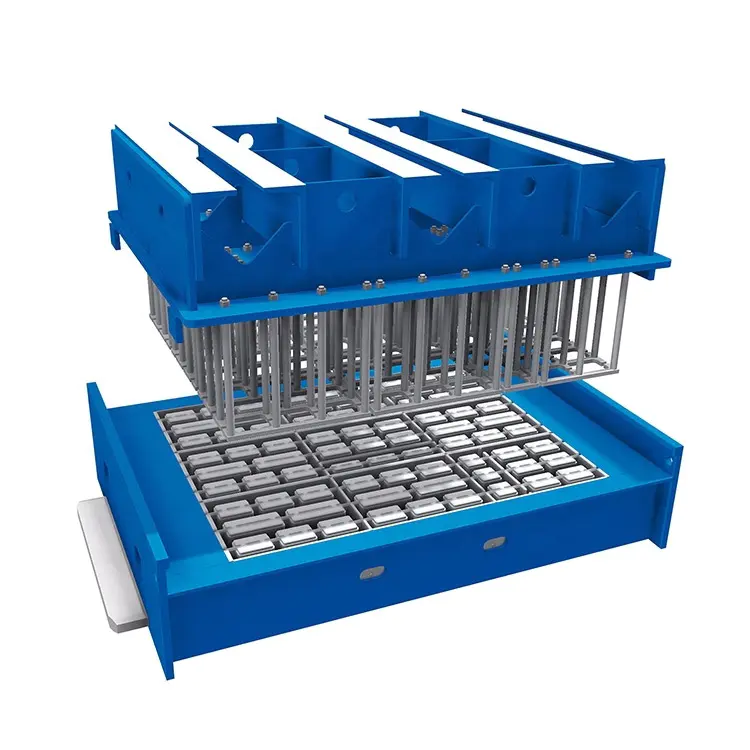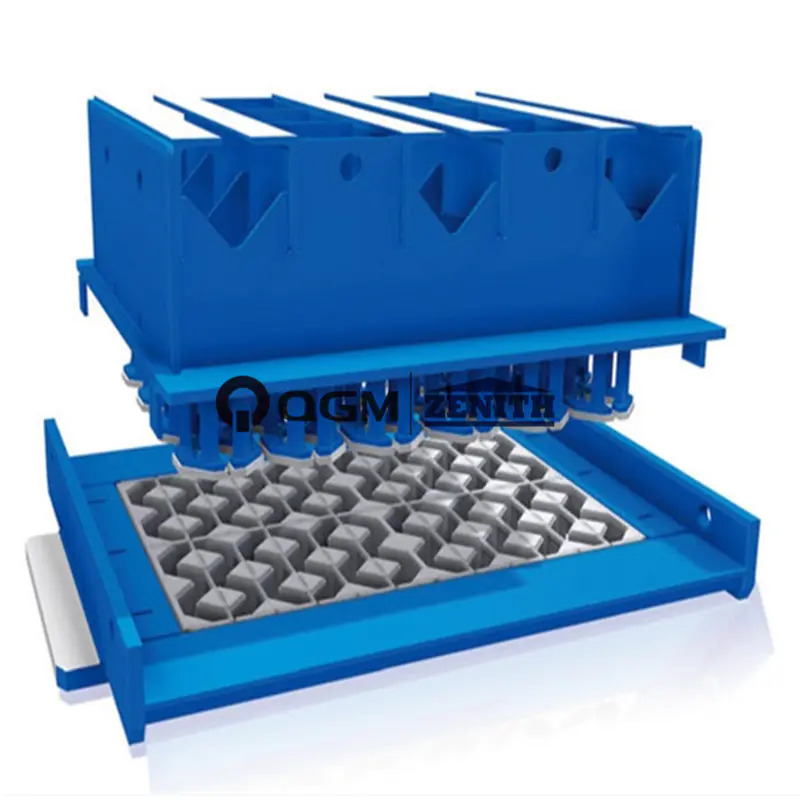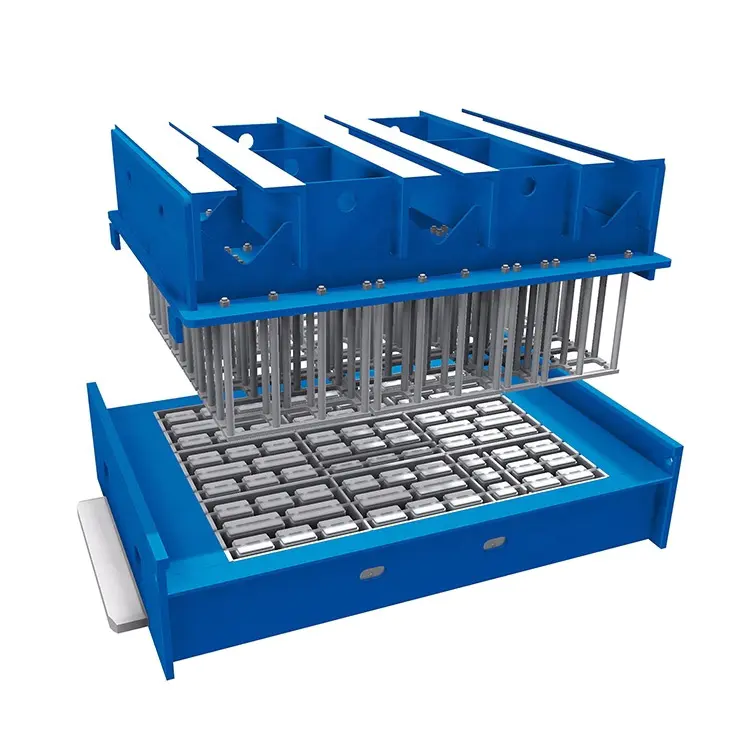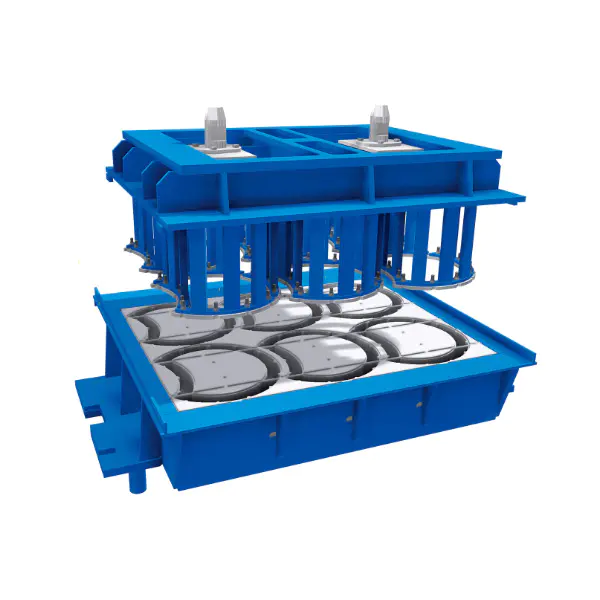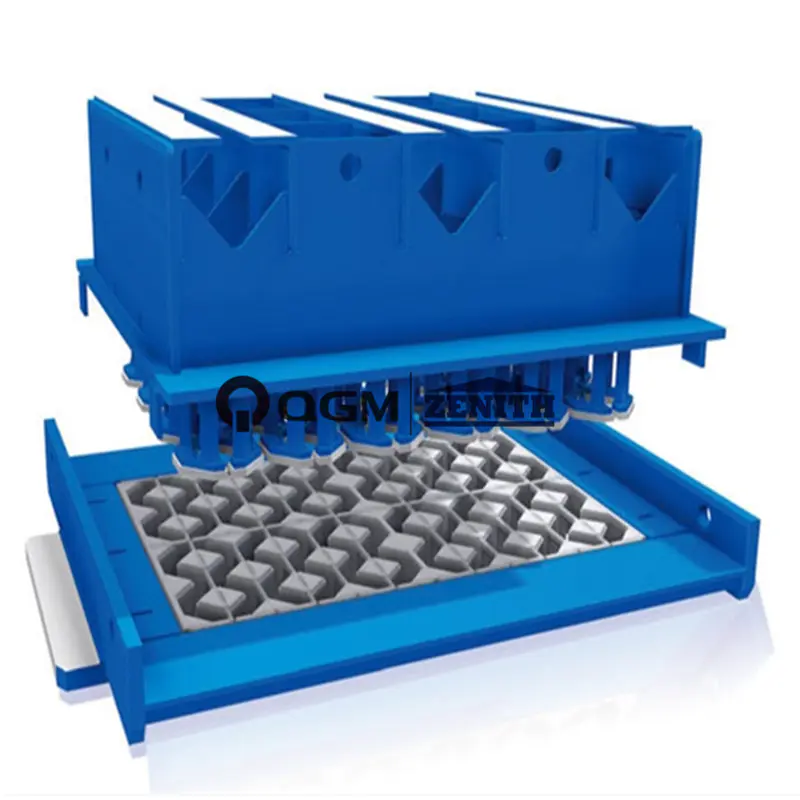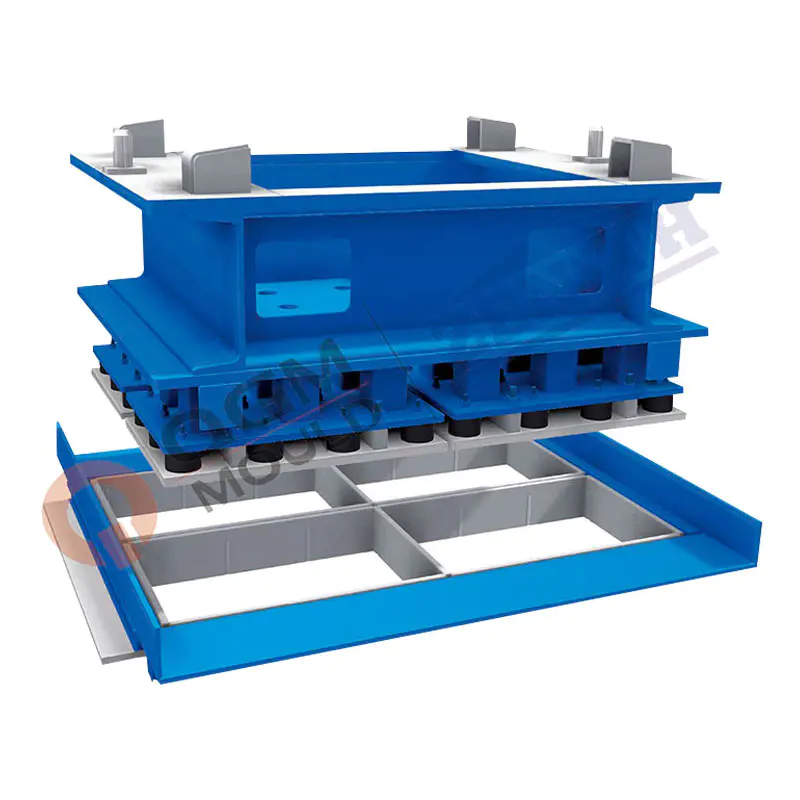

Our modern ash brick making machine redefines efficiency and durability for construction material production, offering an outstanding alternative to conventional aac brick machine and aac brick making machine setups that often demand higher energy inputs. Engineered specifically to convert fly ash, bottom ash, and other industrial waste into uniform blocks, this unit combines the ruggedness required for an ash block making machine with the molding precision of a high-end brick block moulding machine, ensuring rapid payback in commercial operations.
The ash brick making machine integrates a fully automated hydraulic compression system with a rapid demolding sequence, enabling continuous production of dimensionally accurate bricks without requiring thermal curing. Its heavy-duty frame absorbs vibration effectively, protecting internal components and prolonging service life. The control panel features a user-friendly PLC interface that stores multiple recipe settings, allowing quick switchover between brick sizes and mix ratios—an essential capability for manufacturers serving diverse project specifications.
Core operational benefits:
Technical specifications for typical models:
| Parameter | Model DB-600 | Model DB-1200 | Model DB-2000 |
|---|---|---|---|
| Bricks per cycle (230×110×75 mm) | 6 | 12 | 24 |
| Maximum compaction force | 600 kN | 1200 kN | 2000 kN |
| Installed power | 15 kW | 30 kW | 45 kW |
| Cycle time (approx.) | 20 sec | 18 sec | 15 sec |
| Daily output (8-hour shift) | 7,500 – 8,500 bricks | 16,000 – 18,000 bricks | 32,000 – 36,000 bricks |
| Hydraulic system pressure | 21 MPa | 25 MPa | 28 MPa |
| Gross weight | 3.8 t | 6.5 t | 9.2 t |
| Overall dimensions (L×W×H) | 2400×1500×2900 mm | 3200×1900×3200 mm | 4100×2400×3500 mm |
The ash brick making machine operates reliably with mixed raw materials containing up to 70% fly ash, balanced with sand, cement, and crusher dust. Real-time mixture monitoring ensures uniform water content, which is critical for achieving optimal green strength right after demolding. The conveyor-driven pallet feeder stacks fresh bricks neatly, allowing immediate transfer to curing rooms without damaging edges. On the hydraulic side, the cartridge valve manifold and high-response cylinders deliver rapid extend-retract cycles while maintaining precise stroke repeatability, a feature that directly influences brick thickness consistency. All contact surfaces and wear plates are treated with induction hardening, providing a Rockwell hardness above HRC 55 to withstand abrasive fly ash mixtures. Spare parts kits and remote diagnostic support come standard, keeping downtime to an absolute minimum across long production runs.