
Unburned brick machine

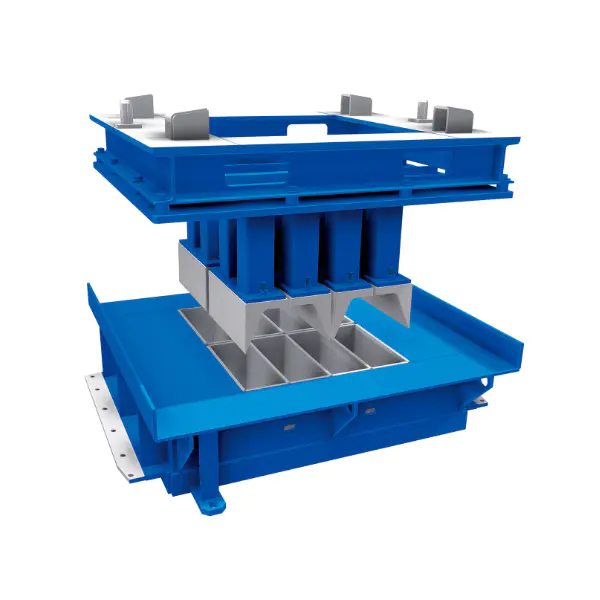
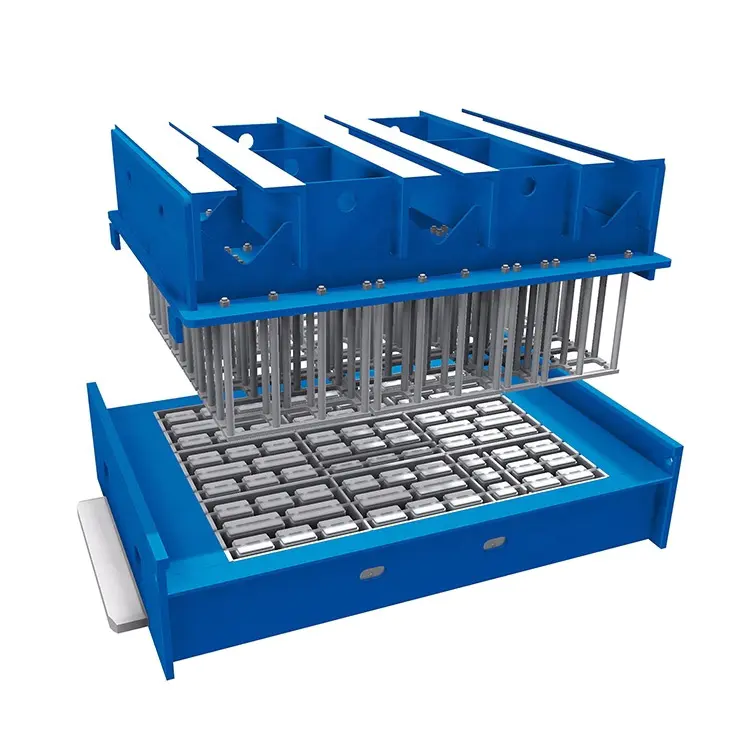
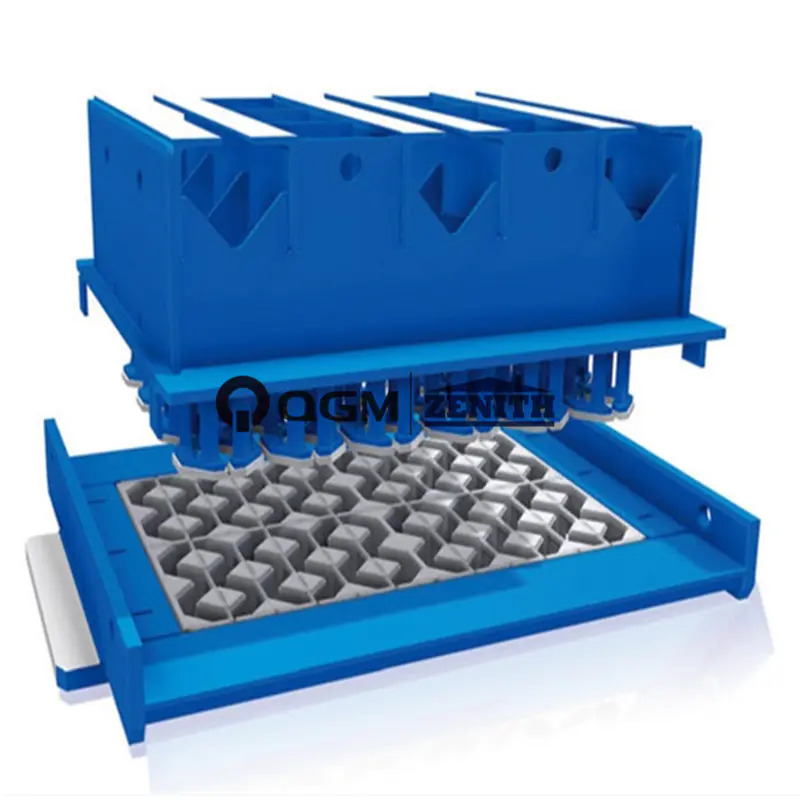
The unburned brick machine from QGM Block Machine offers an efficient and eco-friendly solution for producing construction blocks, eliminating the need for high-temperature firing. It utilizes mechanical pressure to mold raw materials—such as cement, fly ash, slag, and sand/aggregate—into shape, producing bricks through either natural or steam curing.

How Does a Unburned Brick Machine Operate Without Firing?

The essence of a non-fired brick machine is a physical forming process involving high-pressure compaction and vibration-induced liquefaction. The entire process entails no chemical reactions (other than cement hydration) or high-temperature sintering, relying instead entirely on physical compression and the cementing action of the cement to achieve structural strength.

1. Batching and Mixing: Cement, aggregates (sand, stone dust, waste residue, etc.), and water are fed into a forced-action mixer in specific proportions and thoroughly blended.

2. Material Feeding: The mixture is evenly filled into the mold cavity using a forced-feeding mechanism.

3. Vibration and Compression: A hydraulic system applies high pressure (typically 10–30 MPa) while a vibrating table operates at high frequency (approx. 2,800–4,600 vibrations/minute); this causes material particles to rearrange and air to be expelled, resulting in high-density compaction.

4. Demolding: Once formed, a hydraulic ejection mechanism pushes the green brick out of the mold and onto a pallet.

5. Curing and Hardening: The green bricks undergo water curing (sprinkling) or steam curing at ambient temperature for 7 to 28 days; once the cement hydration reaction is complete, the bricks achieve their design strength.

Unfired Brick Machines vs. Traditional Sintered Solid Bricks: Fundamental Differences

Comparison Criteria

Unburned Brick Machine

Traditional Sintered Brick Kiln

Molding Principle

Hydraulic pressing + vibration compaction

Clay shaping + high-temperature firing (900–1,100°C)

Energy Consumption

Electric-powered; no fuel required

Requires large amounts of coal or natural gas; extremely high energy consumption

Environmental Friendliness

Zero emissions and zero smoke/dust; capable of utilizing large quantities of industrial waste

Generates significant CO₂, SO₂, and dust pollution

Raw Material Source

Materials include fly ash, furnace slag, construction waste, tailings, etc.

Uses clay (damages arable land)

Production Cycle

Ready for dispatch after 7–28 days of curing

Long firing cycle; requires stacking after cooling

Main Types

1. Manual/Semi-automatic Models

Features: Simple structure, low investment (ranging from several thousand to tens of thousands of RMB).

Limitations: Requires manual feeding and brick removal; relatively low production capacity (approx. 1,000–3,000 standard bricks per day).

Recommended for: Small workshops or startup projects.

2. Fully Automatic Hydraulic Models

Features: Uses PLC intelligent control, hydraulic transmission, and vibration-compression molding; fully automated processes covering batching, mixing, material distribution, molding, and palletizing.

Advantages: High production capacity (over 20,000–100,000 standard bricks per day) and consistent product strength.

3. Mobile Non-fired Brick Machines

Features: Compact and portable equipment; suitable for on-site brick production (e.g., rural housing construction, roadworks).

Advantages: Directly utilizes on-site soil and aggregate materials, eliminating transportation costs.

What Products Can an Unburned Brick Machine Produce?

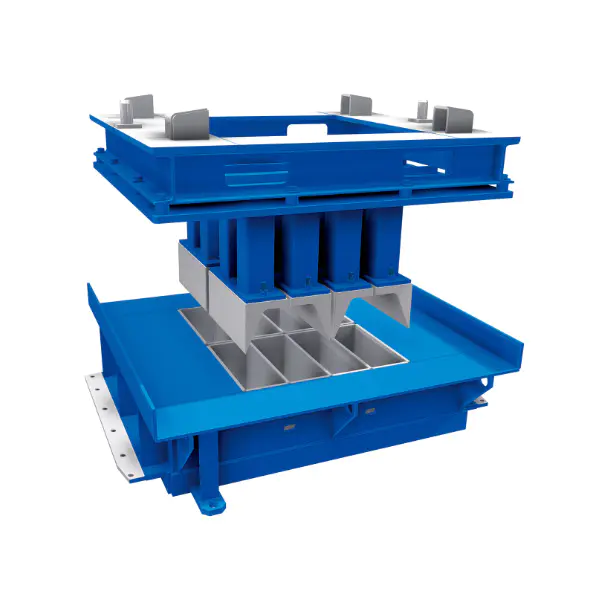
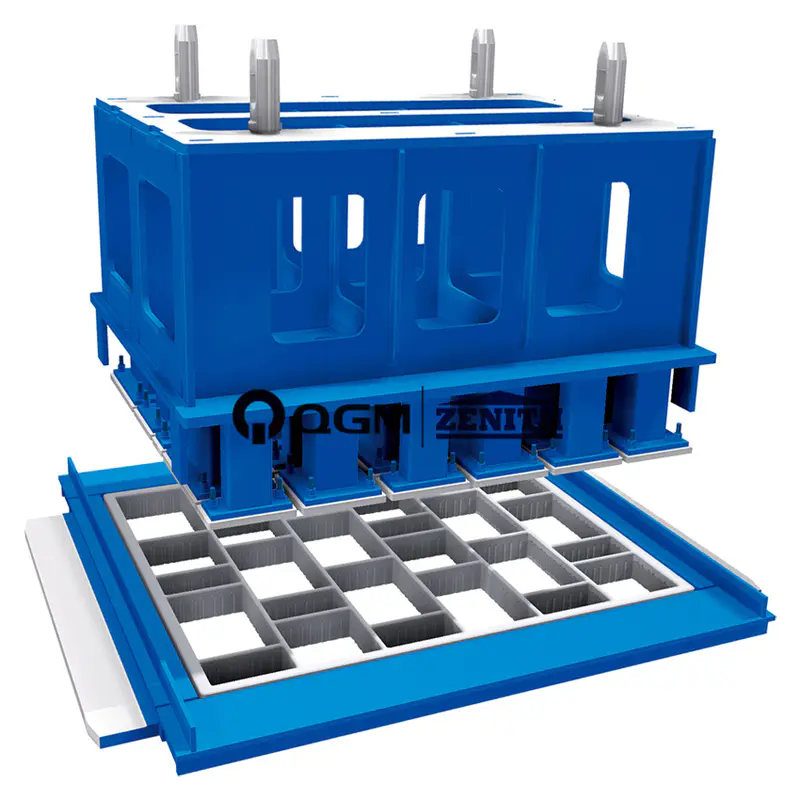
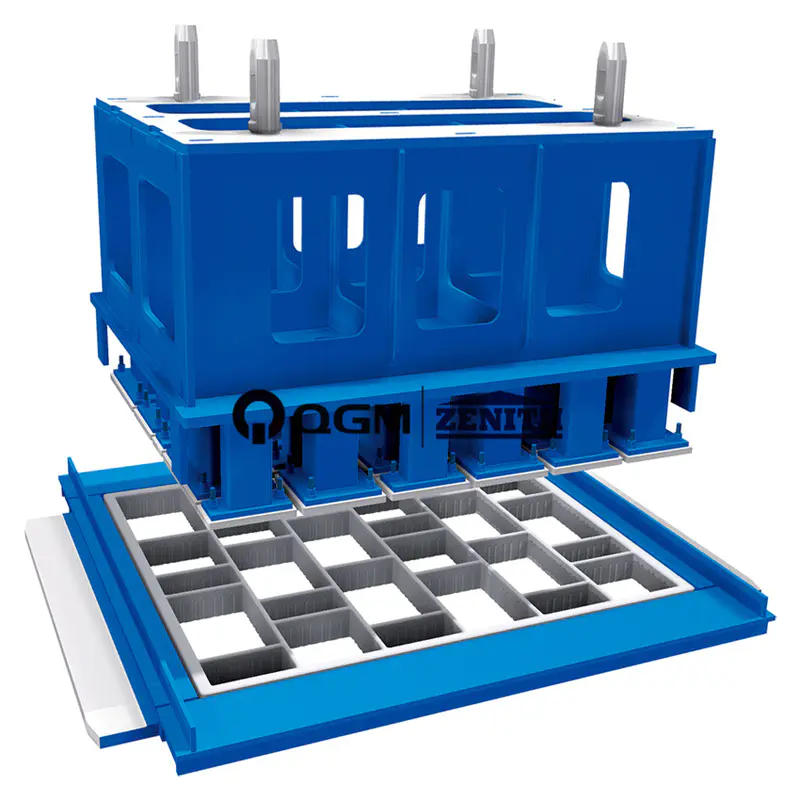
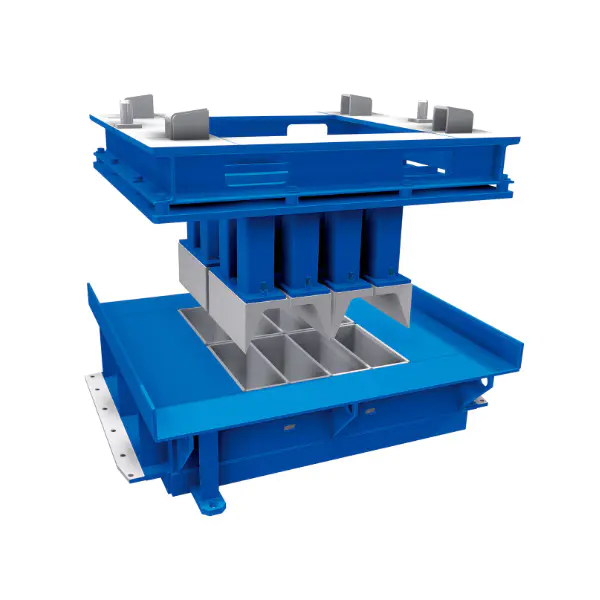
By changing molds, a single unburned brick machine can produce products in various specifications and shapes, offering multi-purpose functionality:

✔ Hollow blocks (e.g., 390×190×190mm) — For wall masonry

✔ Standard bricks/solid bricks (e.g., 240×115×53mm) — Replacements for traditional red bricks

✔ Perforated bricks (e.g., 240×115×90mm) — For load-bearing walls

✔ Paving bricks/permeable bricks — For municipal roads and public plazas

✔ Grass pavers/slope protection bricks — For landscaping and slope stabilization

✔ Kerbstones/curbstones — For road boundaries

✔ Interlocking bricks/hydraulic engineering bricks — For hydraulic slope protection and riverbank stabilization

QGM Unfired Brick Machine Solutions

Since its inception in 1979, QGM has focused on the R&D, manufacturing, and sales of block-forming equipment, accumulating extensive experience in the concrete block machinery sector.

Leveraging international technical resources—including Germany’s ZENITH, Austria’s ZENITH Mold, and India’s Apollo Zenith—QGM continuously enhances its R&D and manufacturing capabilities. We provide customers with unfired brick machines, block-making machines, and automated block production solutions, alongside support for equipment configuration, technical training, and after-sales service.

Backed by ISO9001 quality management and ISO14001 environmental management certifications, numerous product patents, and a wealth of global project experience, we help building material enterprises establish efficient and stable brick production capabilities.

FAQ

Q: How does the unburned brick machine achieve high-strength brick molding?

A: The unburned brick machine primarily enhances brick strength through high-pressure compression and high-frequency vibration compaction technologies.

During production, the vibration system rearranges the mixture particles to minimize internal voids, while the hydraulic system provides stable molding pressure to increase material density. Precise control of the compression time ensures a uniform brick structure.

The final strength of the brick depends not only on the machine's pressure but also on factors such as the raw material mix ratio, cement content, moisture content, and curing conditions.

Q: What preparations are required before the initial operation of the unburned brick machine?

A: Before starting the machine, it is necessary to complete equipment installation checks, parameter calibration, and raw material testing.

Recommended checks include:

1. Hydraulic system oil level and pressure

2. Stability of the vibration system

3. Accuracy of mold installation

4. Smooth operation of the conveyor system

5. Proper functioning of the electrical control system

Additionally, mix ratio tests should be conducted based on the characteristics of local raw materials to avoid inconsistent brick strength or molding quality caused by simply using fixed production parameters.

Q: What should be considered when changing the mold on the unburned brick machine?

A: When changing molds, ensure the mold dimensions match, verify installation alignment accuracy, adjust the demolding mechanism, and test the molding results.

Misalignment during mold installation can lead to dimensional errors in the product, difficulties in demolding, and abnormal wear on the equipment.

Hot Products

  • Clay Brick Machine Mould

    Clay Brick Machine Mould

    High quality Clay Brick Machine Mould is offered by China manufacturer QGM Block Machine. Buy Clay Brick Machine Mould which is of high quality directly with low price.
  • Grass Paver Mould

    Grass Paver Mould

    You are welcomed to come to our factory to buy the latest selling, low price, and high-quality Grass Paver Mould, QGM Block Machine looks forward to cooperating with you.
  • Environmentally Friendly Block Machine Mold

    Environmentally Friendly Block Machine Mold

    You are welcomed to come to our factory to buy the latest selling, low price, and high-quality Environmentally Friendly Block Machine Mold, QGM Block Machine looks forward to cooperating with you.
  • Brick Machine Mold

    Brick Machine Mold

    QGM Block Machine is a professional Brick Machine Mold manufacturer and supplier in China, you can rest assured to buy Brick Machine Mold from our factory and we will offer you the best after-sale service and timely delivery.
  • Automatic Hydraulic Brick Mold

    Automatic Hydraulic Brick Mold

    QGM Block Machine is a proficient manufacturer and supplier of Automatic Hydraulic Brick Mold in China. If you're searching for the Automatic Hydraulic Brick Mold at an affordable price, get in touch with us right away!
  • Paver Mould

    Paver Mould

    Being a proficient manufacturer, QGM Block Machine aims to offer you top-notch Paver Mould. We promise to provide you with the best after-sale support and prompt delivery.With a clearance of 0.3-0.4 mm, the mould has precise vertical angles and smooth sidewalls with high precision and without burrs on the stone production. Free surface digital design and interchangeable pressure plate design can be realized.

Send Inquiry