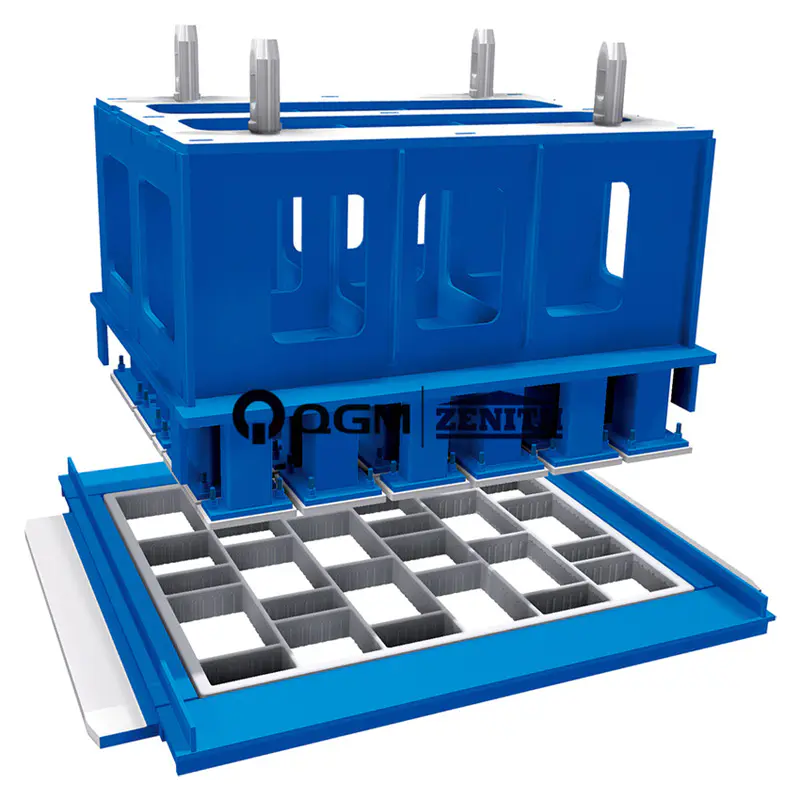
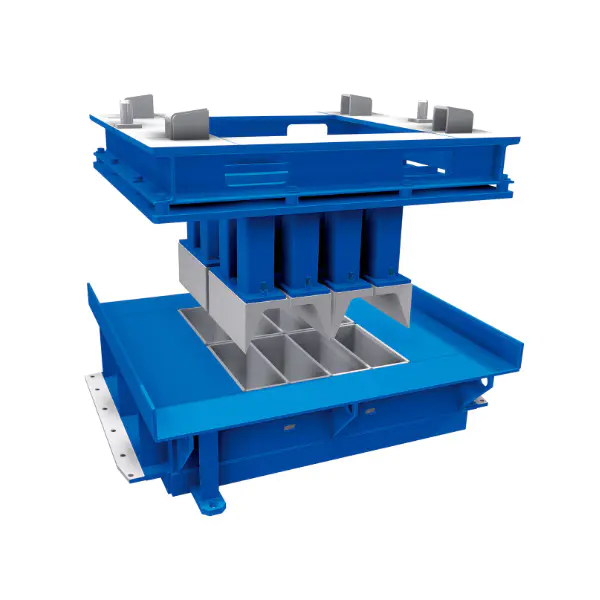
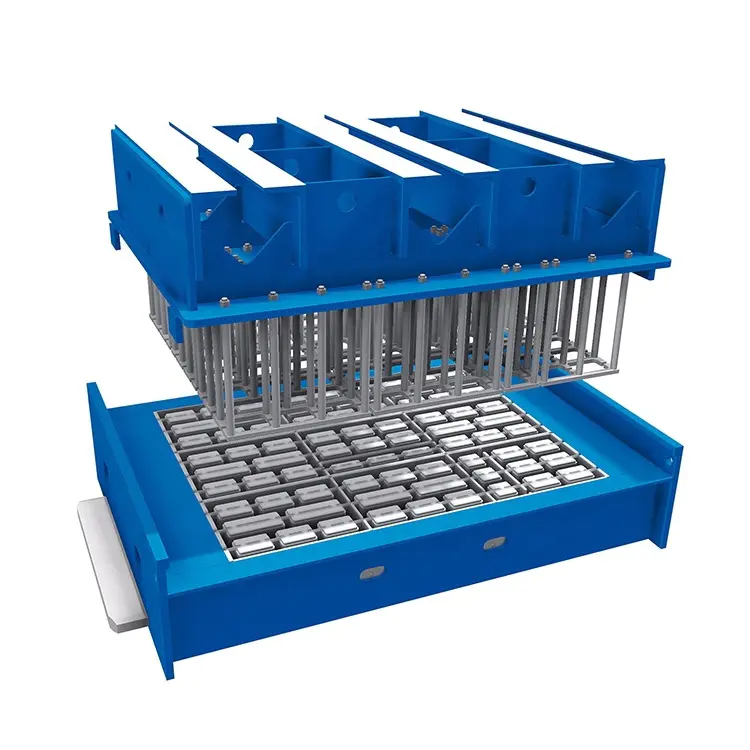
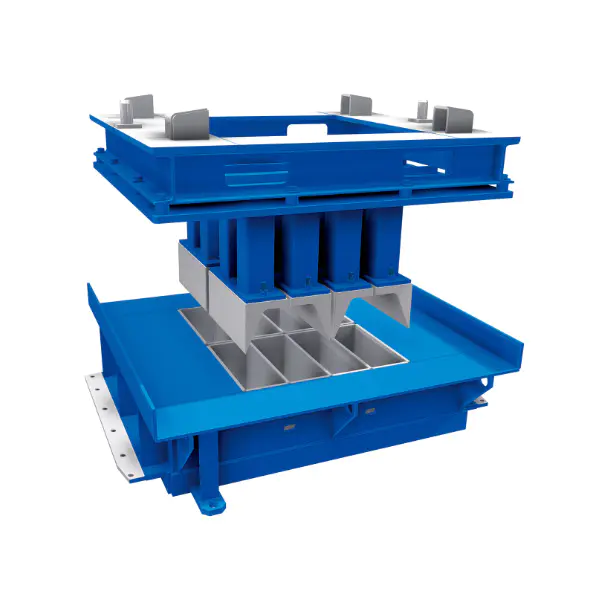
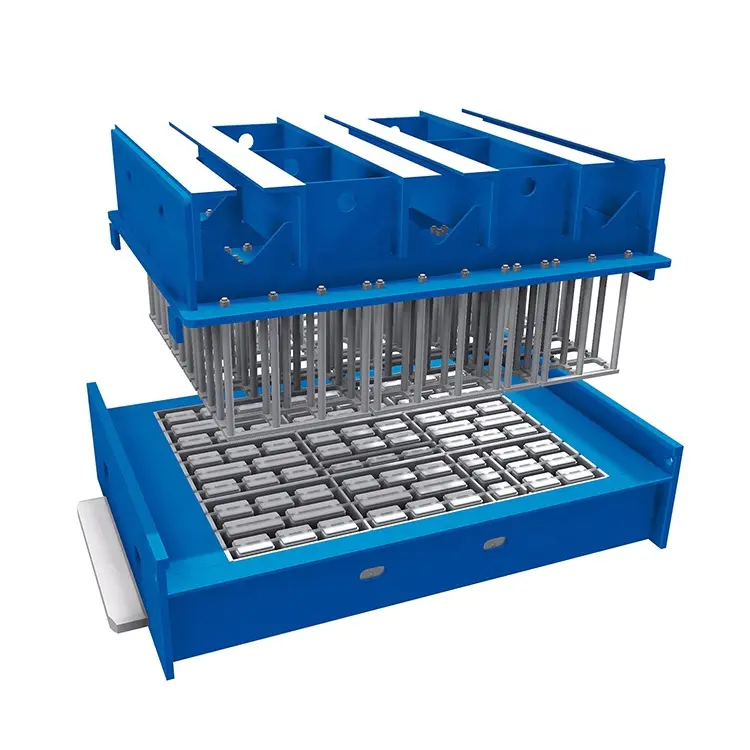
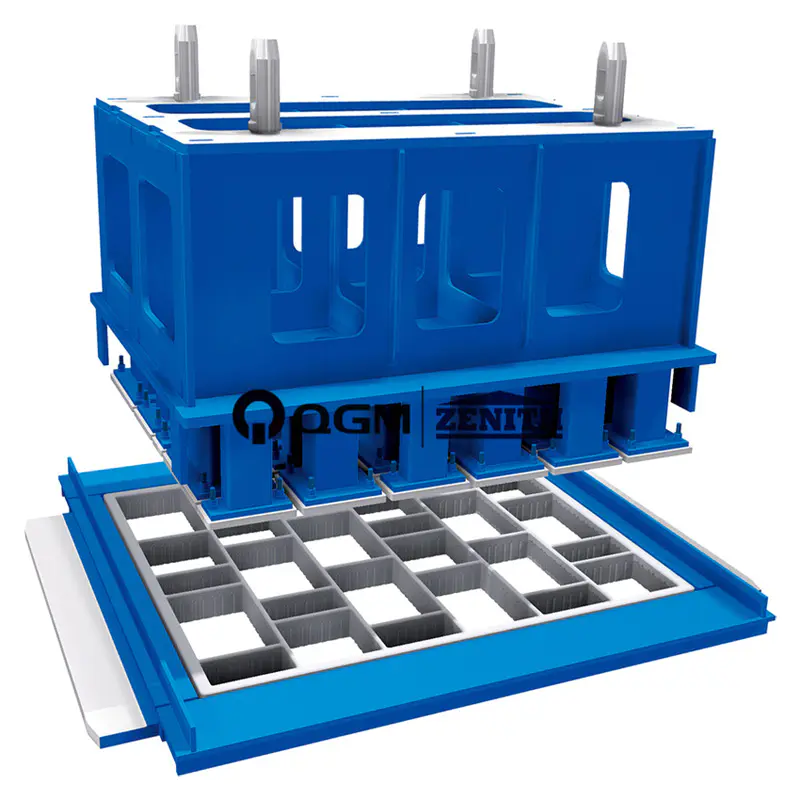
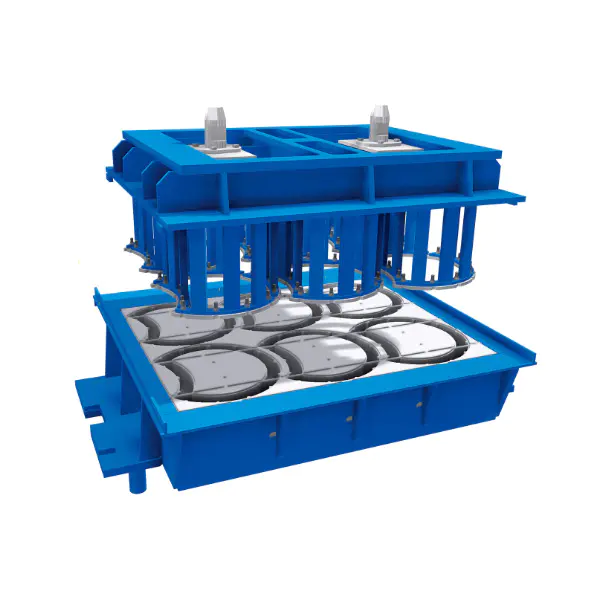
The modern construction industry relies heavily on advanced manufacturing solutions to produce high-quality, lightweight building materials. An integrated AAC block machine forms the core of any efficient setup, delivering precision-cut blocks with consistent density and strength. To scale up operations, a fully automated AAC block production line is essential, coordinating every stage from raw material batching to final packaging. For manufacturers seeking a complete turnkey solution, a dedicated AAC production line optimizes workflow and minimizes waste. At the heart of the curing process, the Autoclaved Aerated Concrete machine ensures the material achieves its signature thermal insulation and fire resistance properties through high-pressure steam curing.
specifications are engineered to meet rigorous international standards. The following details outline the capacity, power requirements, and output dimensions that define its operational efficiency.
- Annual production capacity: 30,000 to 500,000 cubic meters
- Core cutting precision: ±1.5 mm tolerance on all block faces
- Steam curing pressure range: 1.0 to 1.3 MPa at 180–195°C
- Installed power: 180–650 kW depending on line configuration
- Raw material compatibility: fly ash, sand, lime, cement, gypsum, aluminum powder
- Control system: Siemens PLC with touchscreen HMI and remote diagnostic capability
- Plant footprint: customizable layout starting from 3,000 square meters
- Cycle time: 5 to 7 minutes per mold for the cutting stage
| Parameter |
Standard Range |
High-Capacity Option |
| Daily Output (m³) |
100 – 600 |
800 – 1,600 |
| Block Sizes (mm) |
600×200×100 up to 600×250×300 |
Custom panels up to 6,000×600×250 |
| Dry Density (kg/m³) |
400 – 700 (B04–B07 grade) |
300 – 400 (B03–B04 grade) |
| Compressive Strength (MPa) |
2.5 – 5.0 |
5.0 – 7.5 |
| Thermal Conductivity (W/m·K) |
0.08 – 0.16 |
0.06 – 0.10 |
| Autoclave Dimensions (m) |
Ø2.0×27 to Ø2.68×38 |
Ø3.2×45 (custom engineered) |
| Mold Quantity |
8 – 24 units in circulation |
28 – 40 units with rapid transfer |
| Water Recycling Rate |
90% closed-loop system |
95% with advanced filtration |
design prioritizes energy recovery from autoclave exhaust, redistributing heat to pre-warm incoming slurry and accelerate curing cycles. Mixing stations employ twin-shaft compulsory mixers with wear-resistant Ni-hard liners, guaranteeing a homogeneous slurry within 120 to 180 seconds. The tilting bucket and cutting machine synchronize via encoder feedback, eliminating misalignment during the green cake handling phase. After autoclaving, finished products pass through a automated grading station that scans for dimensional accuracy and surface integrity before palletizing. All structural steel complies with ASTM A36 or Q345B standards, and pressure vessels carry ASME or CE certifications depending on the destination market. Electrical cabinets meet IP54 protection ratings, with critical drives fitted to Siemens or ABB VFDs for precise speed control across conveyors, mixers, and the cutting frame. The entire can be integrated into an existing factory infrastructure or supplied as a greenfield project with full engineering support for civil works, utilities, and commissioning.