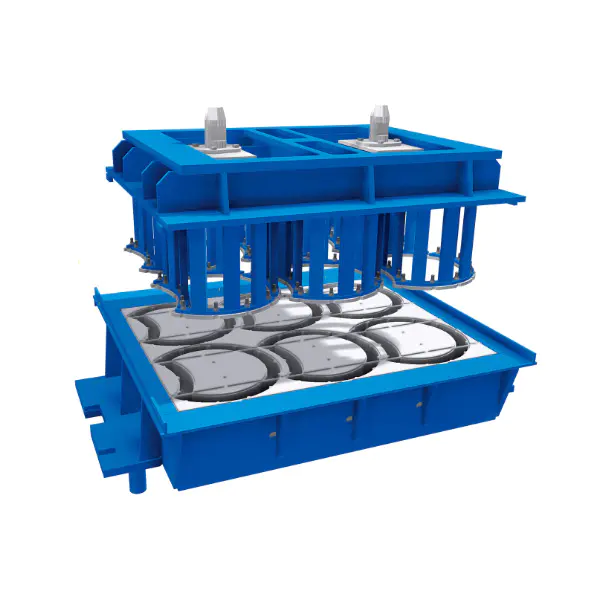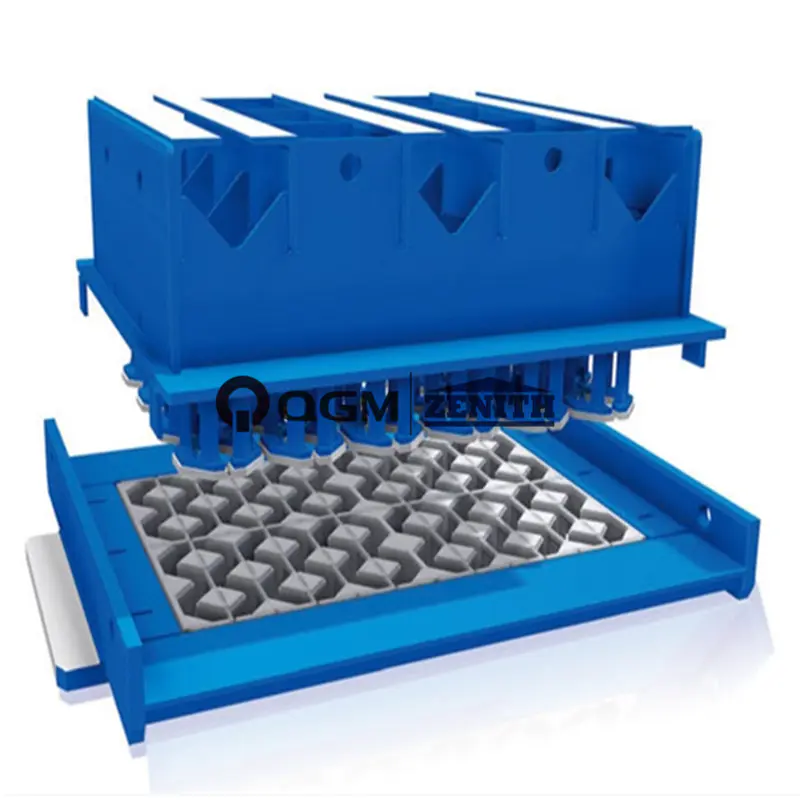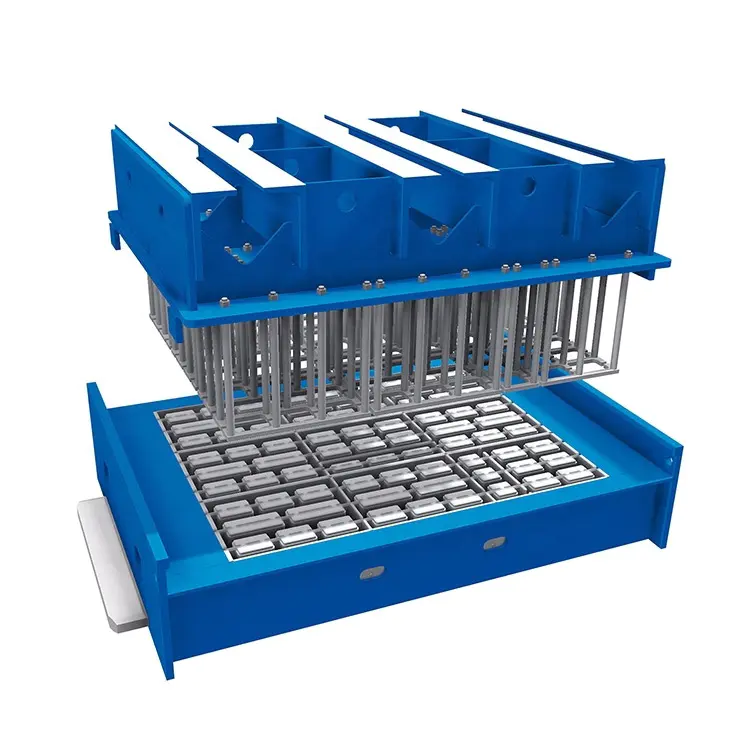

In modern construction, the shift toward sustainable, lightweight, and high-performance materials has elevated autoclaved aerated concrete as a primary choice for residential and commercial projects. Producing this material at scale requires an integrated system where each stage is tightly orchestrated. A reliable AAC block machine forms the core of the manufacturing line, precisely shaping the aerated slurry into standardized or custom block dimensions. That machine operates as part of a fully articulated AAC block production line, which coordinates raw material dosing, mixing, casting, pre-curing, cutting, autoclaving, and packing. When scaled to industrial capacity, the entire arrangement is housed within a dedicated AAC plant, where ancillary systems for steam generation, water treatment, and recycled slurry handling maintain continuous output. The essential curing phase relies on an Autoclaved Aerated Concrete machine, a high-pressure autoclave that exposes green cakes to saturated steam at 1.2 MPa and 190°C, triggering the calcium-silicate reactions that produce tobermorite and give AAC its characteristic compressive strength and low thermal conductivity. Advanced production lines incorporate real-time sensors for slurry density, temperature, and moisture, feeding data to a central PLC that adjusts mix water and aluminum powder dosage within seconds. Material movement from casting bed to cutting cart is synchronized via hydraulic drives and laser alignment, achieving cutting tolerances of ±1 mm in both horizontal and vertical planes. Efficient waste recovery systems capture trimmings and return them to the mixer, reducing raw material loss to under 2%. The entire process, from raw silica sand milling to final block palletizing, can be monitored remotely, allowing operators to track energy consumption, steam usage, and output rates across shifts. Designed for 24-hour continuous operation, these lines maintain block densities between 400 and 800 kg/m³ and compressive strengths from 2.5 to 7.5 MPa, meeting international standards such as EN 771-4 and ASTM C1691. Consistent quality is ensured through automated mold oiling, vibration-free cutting, and a multi-lane autoclave arrangement that equalizes steam distribution.
The AAC production line is engineered to accommodate diverse raw material profiles, including silica sand, fly ash, cement, lime, gypsum, and aluminum powder paste. The grinding section uses a ball mill operating in closed circuit with a classifier, achieving Blaine fineness above 320 m²/kg for sand or fly ash, which promotes uniform bubble formation and wall strength. Slurry mixing occurs in a high-shear tank where water-to-solids ratio is maintained within 0.60–0.68, and aluminum powder is introduced through a dynamic disperser to generate even pore structures. Key technical parameters of the standard line configuration are outlined below.
The table below details the main production models and their corresponding capacities, power requirements, and footprints, enabling investors to select a configuration aligned with market demand and site constraints.
| Model | Annual Capacity (m³) | Installed Power (kW) | Plant Area (m²) | Autoclaves (φ2.85×39m) |
|---|---|---|---|---|
| AAC-100 | 100,000 | 250 | 8,000 | 4 |
| AAC-200 | 200,000 | 380 | 12,000 | 6 |
| AAC-300 | 300,000 | 500 | 16,000 | 8 |
| AAC-500 | 500,000 | 600 | 22,000 | 10 |
The AAC production line incorporates a transverse cutting system with swinging wire technology for clean separation and a vertical cutting unit that processes multiple cakes simultaneously. Mold tilting and stripping are hydraulically operated to avoid block damage. All contact parts in the slurry circuit utilize stainless steel to prevent corrosion. The line can be expanded with a reinforcement mesh inserter for load-bearing wall panels. An integrated dust collection system maintains plant emissions below 20 mg/Nm³, aligning with environmental regulations. Every module is pre-tested and shipped as matched assemblies, reducing on-site erection time to approximately three months. Spare parts packages and training for local operators ensure dependable long-term output of high-quality AAC products across different climatic zones.