
The demand for lightweight, energy-efficient building materials has driven the widespread adoption of autoclaved aerated concrete technology. A high-performance AAC block machine forms the core of any modern precast concrete facility. When scaling up operations, integrating a full AAC block production line ensures consistent output and reduced labor costs. For manufacturers aiming to establish a turnkey solution, an optimized AAC plant covers everything from raw material batching to finished product packaging. Meanwhile, a comprehensive AAC production line can be customized for various block sizes and densities, meeting diverse market requirements.
The Autoclaved Aerated Concrete machine delivers exceptional performance for commercial AAC production, integrating advanced cutting technology and a robust PLC control system to maintain tight dimensional tolerance throughout the manufacturing cycle. Engineered for reliability, the machine handles a wide range of raw materials and produces blocks with outstanding thermal insulation, fire resistance, and sound absorption. Below are the detailed technical specifications, production capacities, and core mechanical data that make this machine a top choice for global manufacturers.
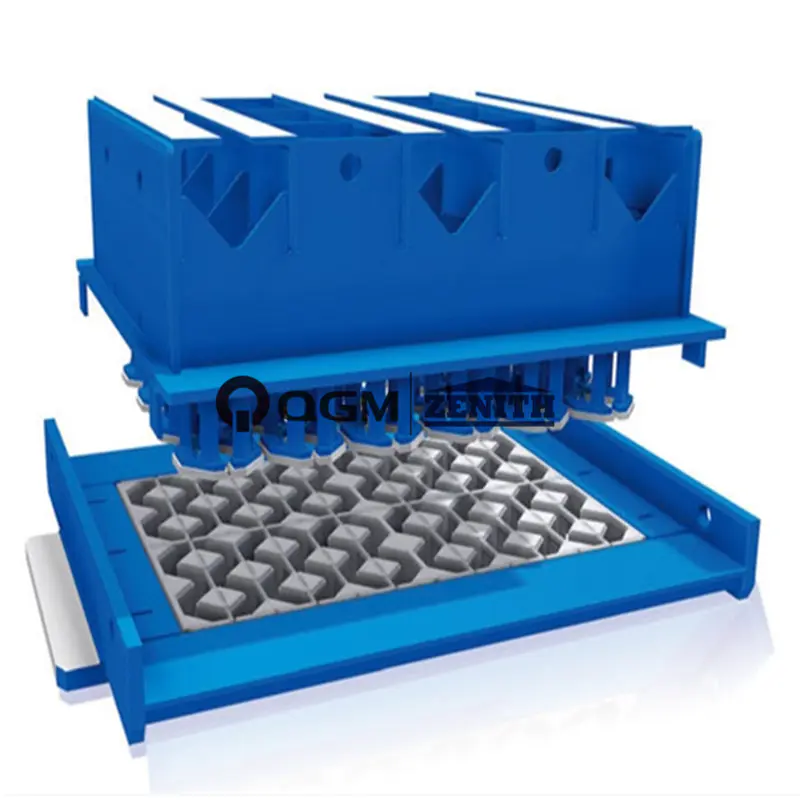
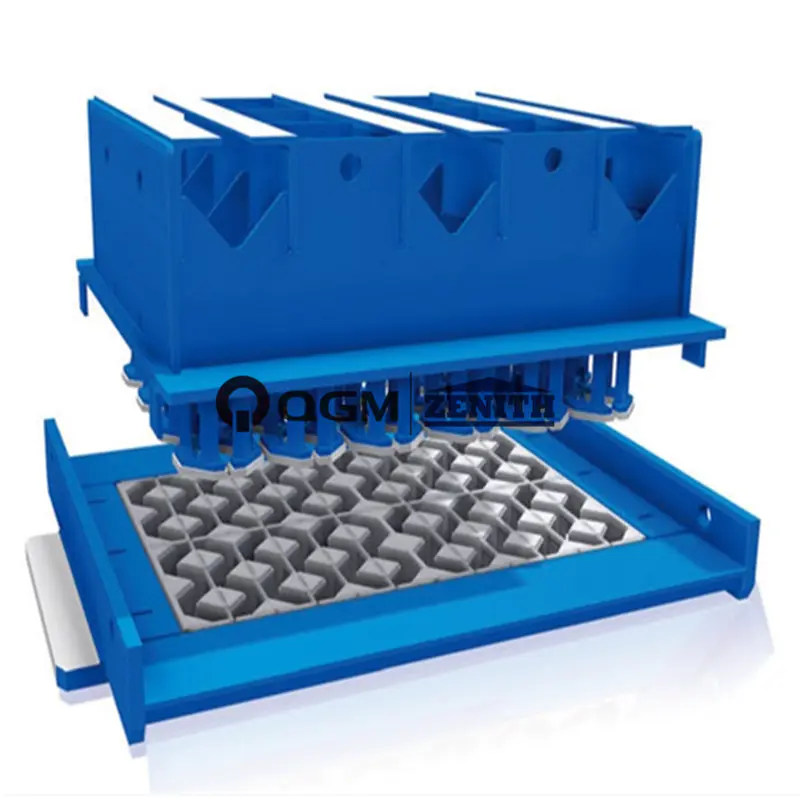
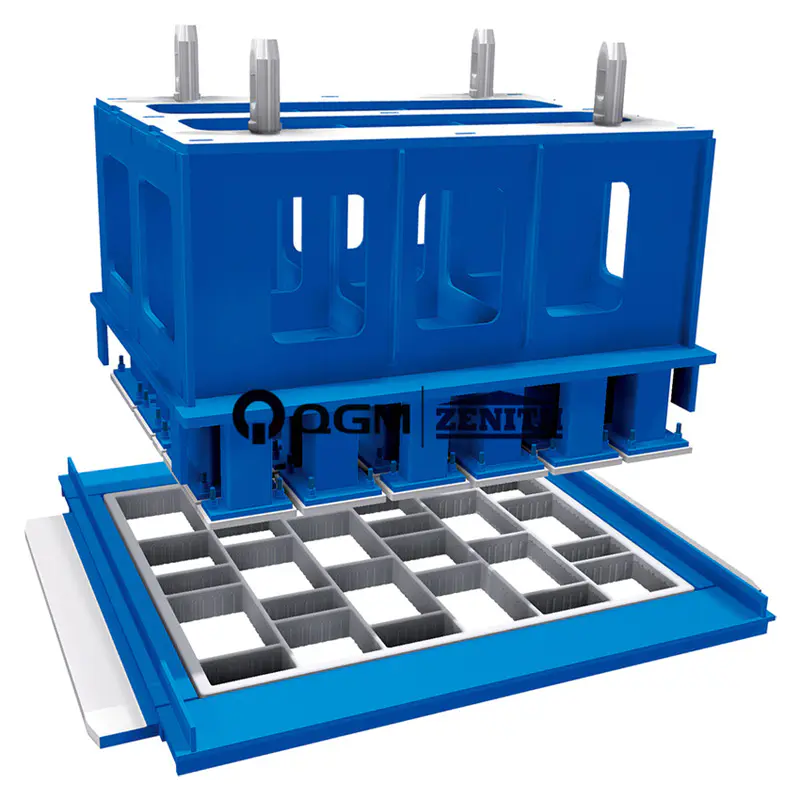
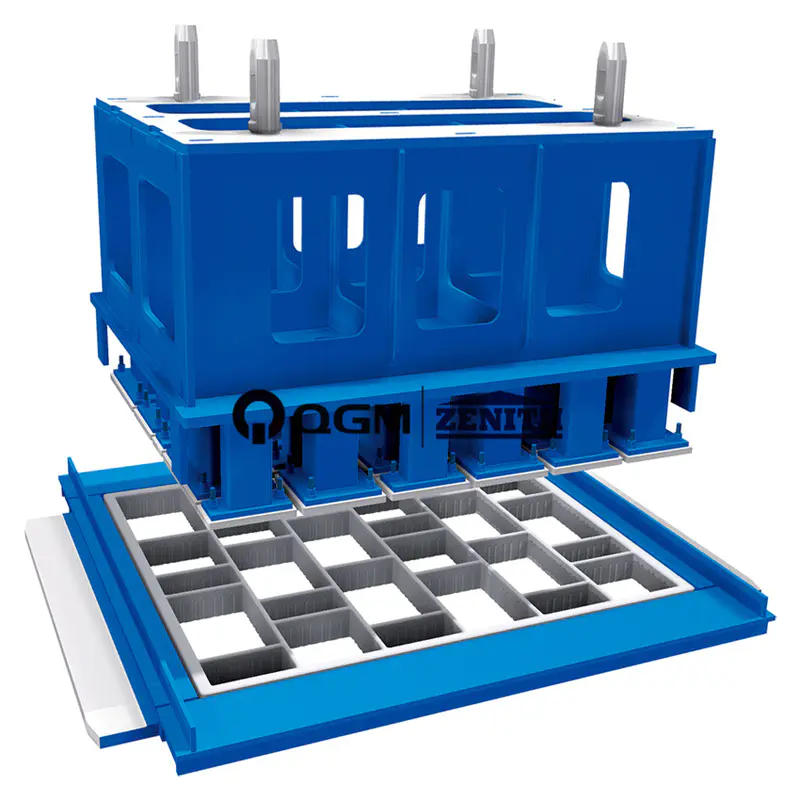
Standard machinery composition for the Autoclaved Aerated Concrete machine includes a raw material batching station, wet slurry mixer, mould frames with side plate removal, pre-curing rails, tilting hoist, horizontal and vertical cutting unit, grouping crane, transfer cart, autoclaves, and a finished product separator. Each subsystem is synchronized to minimize waste and reduce manual intervention. The cutting carriage employs hardened steel wires that guarantee consistent block height and clean cuts, even at high throughput. Autoclaves are fabricated with thick carbon steel and controlled via PID temperature loops to ensure uniform steam circulation, resulting in homogeneous crystallization and low thermal conductivity values (typically 0.09–0.16 W/m·K).
| Model | Daily Capacity (m³) | Cutting Accuracy (mm) | Autoclave Pressure (MPa) | Total Power (kW) | Footprint (L×W×H, m) |
|---|---|---|---|---|---|
| AAC-200 | 200 | ±1.0 | 1.2 | 180 | 28×6×8 |
| AAC-500 | 500 | ±1.0 | 1.3 | 350 | 40×8×10 |
| AAC-1000 | 1,000 | ±0.8 | 1.3 | 600 | 55×10×12 |
Additional technical data includes a steaming schedule of 2–3 hours under pressure with a total cycle of 8–12 hours, and a slurry water-to-solids ratio maintained at 0.60–0.65 for optimal porosity. The machine’s hydraulic system operates at 16–21 MPa, and all contact surfaces are treated with anti-corrosive coatings to withstand alkaline slurry. Dust extraction hoods are installed above mixing stations, and noise levels remain below 80 dB(A). The Autoclaved Aerated Concrete machine is designed for continuous three-shift operation and is compatible with various additive dosing systems for improved strength or faster curing. Spare parts such as cutting wires, mould wheels, and autoclave door seals are readily available to keep maintenance downtime short. Factory acceptance testing includes dry run, load test, and dimensional sample verification before shipment.